
Pigeon racing is one of the oldest and most unusual competitive sports in the world. While many people associate racing with horses or motor sports, pigeon racing has been practiced for centuries and remains active today across Europe, Asia, and North America.
The sport centers on racing pigeons—specially selectively bred birds trained to return to their home loft over various distances, sometimes exceeding hundreds or even a thousand miles. Despite changes in technology and participation levels, it continues to attract dedicated pigeon fanciers, clubs, and governing bodies that preserve its traditions while modernizing how races are organized and timed.
What Is the Point of Pigeon Racing?
The point is to test the homing ability, speed, endurance, and navigation skills of pigeons competing under identical conditions. All competing birds are released from a common release point, and the winner is the bird that flies home to its home loft in the shortest time.
The race is not about aggression or chasing; it is about precision, conditioning, and instinct. The sport highlights how pigeons find their way home using a combination of memory, the Earth’s magnetic field, visual landmarks, and natural orientation.
Homing Pigeons vs Feral Pigeons
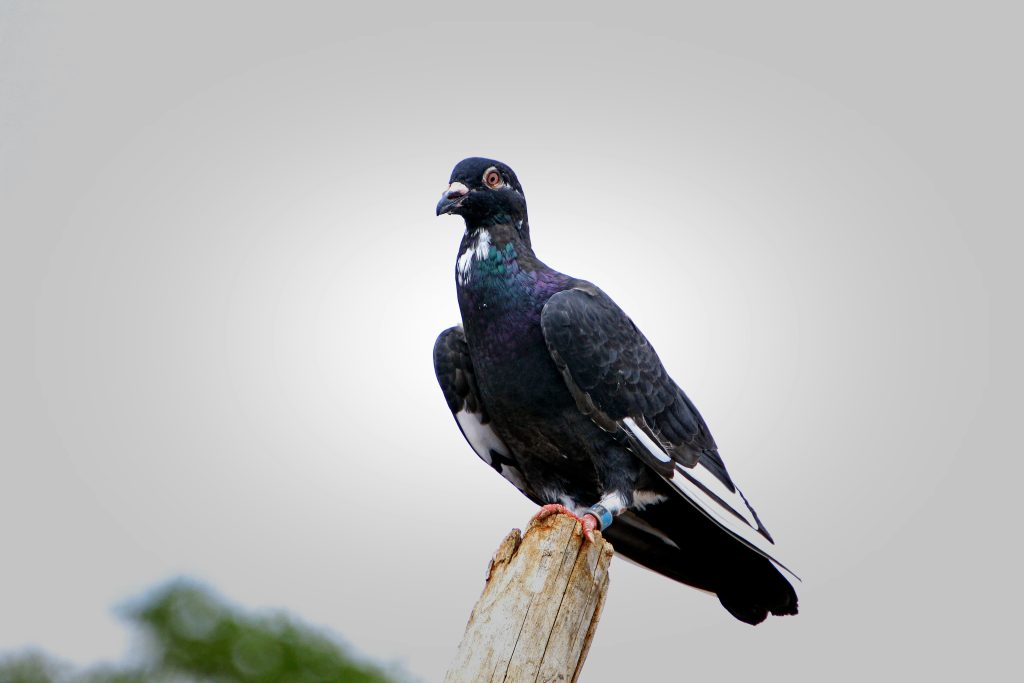
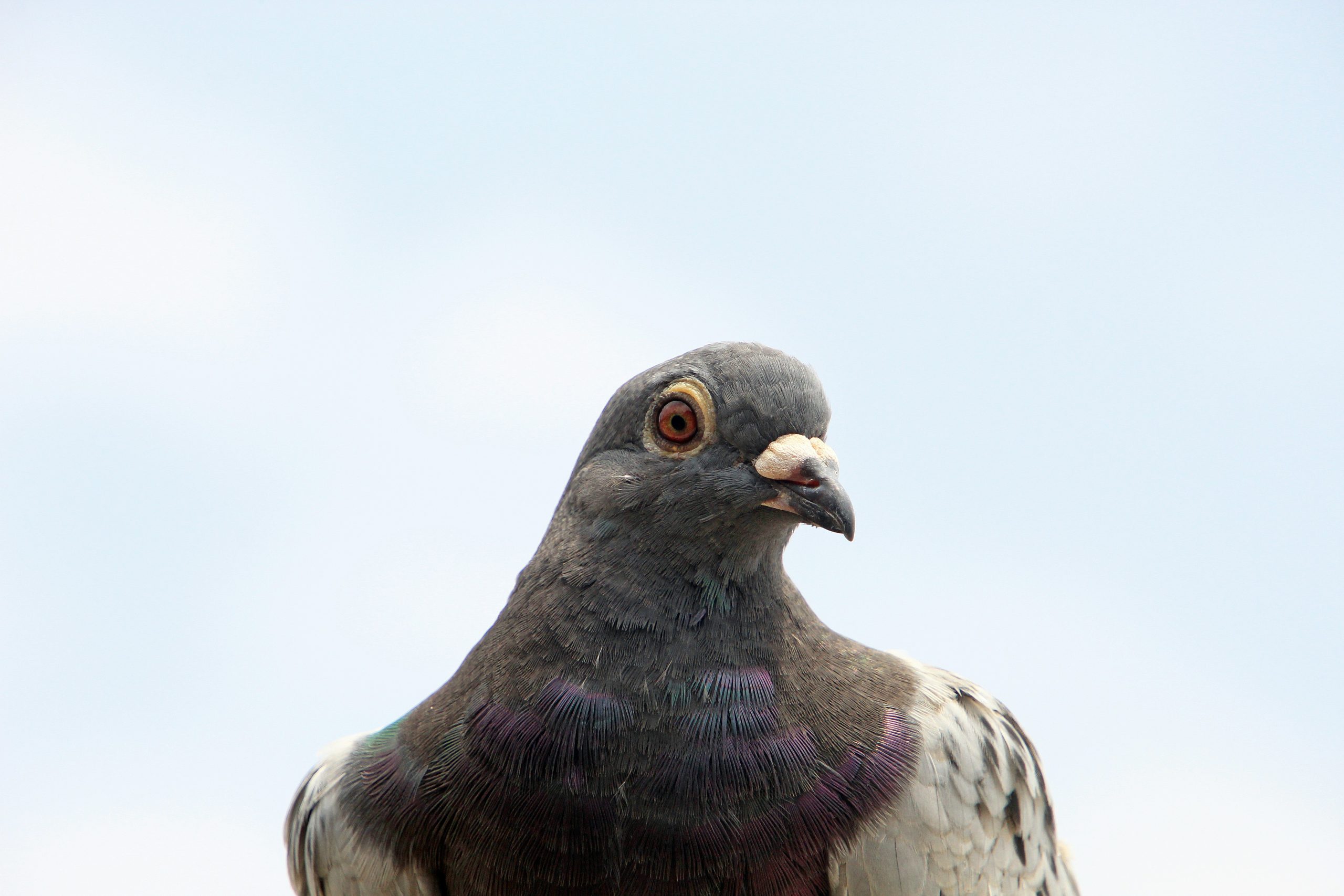
Homing pigeons, scientifically classified as Columba livia (descended from the rock dove), possess an extraordinary homing instinct. These birds can travel long distances and reliably return to their home, even when released from unfamiliar locations.
Unlike feral pigeons, which adapt to urban life, racing homing pigeons are carefully bred and trained for performance. While many birds fly, pigeons excel at directional memory and navigation, which historically made them invaluable as carrier pigeons.
History and Military Use: From Carrier Pigeons to Competitive Sport
Pigeons have worked alongside humans for thousands of years. Before modern communication, pigeons were used in the pigeon post system to carry messages across long distances. During World Wars I and II, pigeons served in the Army Signal Corps, including the Army Signal Corps pigeon units used by Great Britain and the United States.
These military roles laid the foundation for pigeon racing as a sport, with formal races emerging in Europe during the 19th century. The first race and later the first long-distance race established standards still followed today.
World Governing Bodies and Racing Organizations: Royal Pigeon Racing Association and American Racing Pigeon Union
The sport is regulated globally through clubs and associations. In Great Britain, the Royal Pigeon Racing Association acts as the primary governing body, setting race rules and standards.
In the United States, the American Racing Pigeon Union performs a similar role. These organizations coordinate race officials, oversee rules, and ensure fair competition. Local pigeon clubs and racing pigeon clubs organize events, verify results, and register birds.
How Pigeon Racing Works
Race Setup and Timing
A typical race involves transporting birds to a designated release point, sometimes as close as ten miles or as far as several hundred miles away. Once released, each pigeon must get home to its loft as quickly as possible.
Each bird wears a leg band for identification. Timing is calculated based on the moment the bird returns to the loft, measured against the distance traveled to determine average speed. Modern races often use electronic timing systems, while traditional methods relied on mechanical clocks.
Young Birds, Old Birds, and Race Categories
Races are often divided between young birds and old birds, allowing fair competition based on experience and physical maturity. Young pigeons are trained gradually, while older pigeons compete in longer and more demanding races.
Some races focus on speed over short distances, while others test endurance across long distances, sometimes pushing birds close to their natural limits.
Training and Loft Flying: How Pigeon Fanciers Prepare Racing Pigeons
Training begins early. Daily pigeon flying sessions help racing pigeons build stamina, improve navigation skills, and strengthen their instinct to return back to their home.
Young birds learn their surroundings through flying in the loft, which builds fitness and familiarity with the home area. Gradually, trainers increase distances for their own birds through short practice releases.
As birds mature, they are trained to return from farther locations. Successful trainers understand that selectively bred pigeons must develop confidence, stamina, and navigation skills to compete effectively.
Where Pigeons Live and How They Navigate
Pigeons live in lofts maintained by pigeon racers, returning there instinctively after every flight. When released, pigeons use multiple cues—sun position, landmarks, and the magnetic field—to navigate.
Competitive races are based on controlled pigeon flying from a designated point back to the home loft. While other birds migrate seasonally, pigeons are unique in their consistent ability to return to a single location with accuracy.
What Happens If a Racing Pigeon Gets Lost?
If a pigeon gets lost, it may land at another loft, join feral flocks, or fail to return due to weather, predators, or exhaustion. Some lost pigeons are recovered through leg band identification, while other birds never return. Loss of birds is an accepted risk of the sport.
Is There Money in Pigeon Racing?
Yes, there can be money in the sport, but it is not guaranteed. Prize pools vary by race, and high-quality birds can sell for significant sums. However, costs for feed, training, transport, and breeding often outweigh winnings unless pigeon racers are highly successful.
The average cost of a racing pigeon can range from modest prices for beginners to thousands for proven bloodlines.
How Do You Win a Pigeon Race?
Winning requires a combination of genetics, training, conditioning, and race-day conditions. The fastest bird is determined by distance and time, not by order of arrival alone.
Successful pigeon racers focus on breeding strong pigeons, managing fitness, and selecting races that suit their own birds and playing style.
Does Pigeon Racing Still Exist Today?
Yes. While participation has declined in some regions, the sport remains active among pigeon racers worldwide. International races, one-loft competitions, and local clubs continue to operate, supported by modern technology and passionate communities.
Final Thoughts
Pigeon racing is a centuries-old sport rooted in history, biology, and human ingenuity. From carriers used in war to today’s high-level competitions, the sport showcases the remarkable homing ability of pigeons.
While it can be costly and unpredictable, pigeon racers consider it a unique blend of science, tradition, and competition—proving that even today, pigeons can still race, navigate, and fly back to their home across incredible distances.