
Tips for Travelling to the Philippines
Travelling to the Philippines can be an unforgettable experience, thanks to its warm people, diverse landscapes, and vibrant culture. From island adventures to exploring several major cities, the country offers something for every type of traveller.
However, preparation is key. Understanding entry rules, safety conditions, money matters, and local customs will help ensure a smooth trip throughout the country. This guide provides up-to-date travel advice for foreign nationals planning a visit, whether for a short holiday, extended periods of stay, or retirement planning through the Philippine Retirement Authority.
Entry Requirements for Philippine Travel
Entry rules can change, so it is essential to check the official Philippines website or your local embassy before departure. Most visitors enter on a tourist visa, which is often issued on arrival for many nationalities.
Common requirements include:
- A valid foreign passport with sufficient validity
- Proof of onward or return travel
- Compliance with health care or vaccination requirements, if applicable
- Possible travel pass or online registration, depending on current regulations
Foreign nationals travelling for business, employment, or long-term assignments should also be aware of regulations involving the Philippine Economic Zone Authority, which governs special economic zones across the country.
Entry, work permissions, and visa requirements may differ for individuals employed by companies, so travellers should confirm requirements in advance with their employer and the immigration office.
Long-term visitors should ensure they obtain the proper documentation and legal recognition of their status to avoid issues with immigration or local authorities.
Etiquettes to Observe When in the Philippines
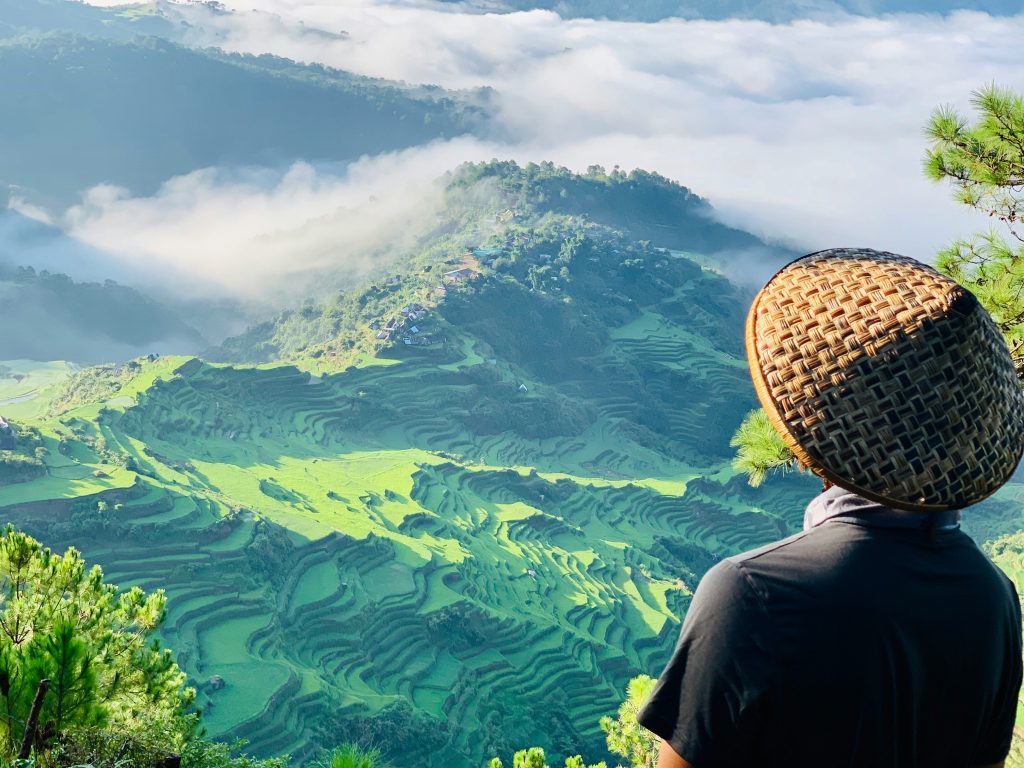
Following these etiquettes not only helps you stay on the right side of the law but also fosters positive interactions with locals, making your stay in the Philippines more enjoyable and culturally respectful.
Show Respect in Social Interactions
Filipinos value politeness, humility, and respect. Simple gestures such as saying “po” and “opo” when speaking to older people, using polite greetings, and maintaining a calm tone go a long way. Public displays of anger, shouting, or confrontational behavior are generally frowned upon and can escalate situations unnecessarily.
Dress Modestly in Appropriate Settings
While casual clothing is widely accepted in tourist locations and beach areas, modest dress is expected when visiting churches, government offices, and rural communities. Avoid wearing revealing clothing in religious settings, and remove hats when entering churches or official buildings as a sign of respect.
Be Mindful of Religious and Cultural Sensitivities
The Philippines is predominantly Catholic, and religious practices are deeply woven into daily life. Show respect during masses, religious festivals, and processions. Avoid loud conversations, inappropriate gestures, or taking intrusive photos during religious events.
Respect Personal Space and Social Norms
Filipinos are generally warm and friendly, but personal boundaries should still be respected. Avoid touching someone’s head, as it is considered disrespectful. Pointing with your finger can be seen as rude; using your lips or an open hand is more culturally appropriate when indicating direction.
Practice Table Manners and Food Etiquette
When invited to a Filipino home, it is polite to accept food when offered, even if only a small portion. Waiting to be invited to eat and thanking the host afterward is customary. Using utensils is standard, though eating with a spoon and fork is more common than using a knife.
Use Polite Communication
Indirect communication is preferred. Filipinos often avoid saying “no” directly to maintain harmony. Pay attention to tone, body language, and context, especially when discussing sensitive topics or resolving misunderstandings.
Follow Local Customs in Public Places
Queueing may be less structured in some areas, so patience is essential. Keep noise levels moderate in public spaces, avoid littering, and follow posted rules in malls, public transportation, and tourist attractions.
Respect Authority and Community Rules
Showing respect to community leaders, elders, and authority figures is important. If approached by local police or officials, remain calm, cooperative, and polite. Always carry identification and comply with lawful requests.
Be Considerate When Taking Photos
Always ask for permission before photographing people, especially children, religious figures, or private property. Avoid taking photos of security personnel, checkpoints, and sensitive infrastructure, as this can lead to questioning or confiscation of devices.
Understand Local Laws in the Philippines
Local laws in the Philippines are strictly enforced, and ignorance is not considered a defence. Illegal drugs carry severe penalties, including life imprisonment. Sexual assault, trafficking, and offences involving minors are treated very seriously by local police and the judicial system.
Visitors should also respect traffic laws and photography restrictions near certain buildings and military sites. Always comply with instructions from local authorities and Philippine security forces when requested.
Do’s and Don’ts in the Philippines
Do:
- Accept food and hospitality politely
- Dress modestly in churches and government buildings
- Respect local laws and customs
- Keep copies of important documents
Don’t:
- Engage with illegal drugs. Drug-related offences can result in extremely harsh penalties, including life imprisonment, regardless of intent or quantity.
- Disrespect religious or cultural practices
- Ignore safety precautions or local advice
- Photograph military installations or security forces
Travel Safety in the Philippines
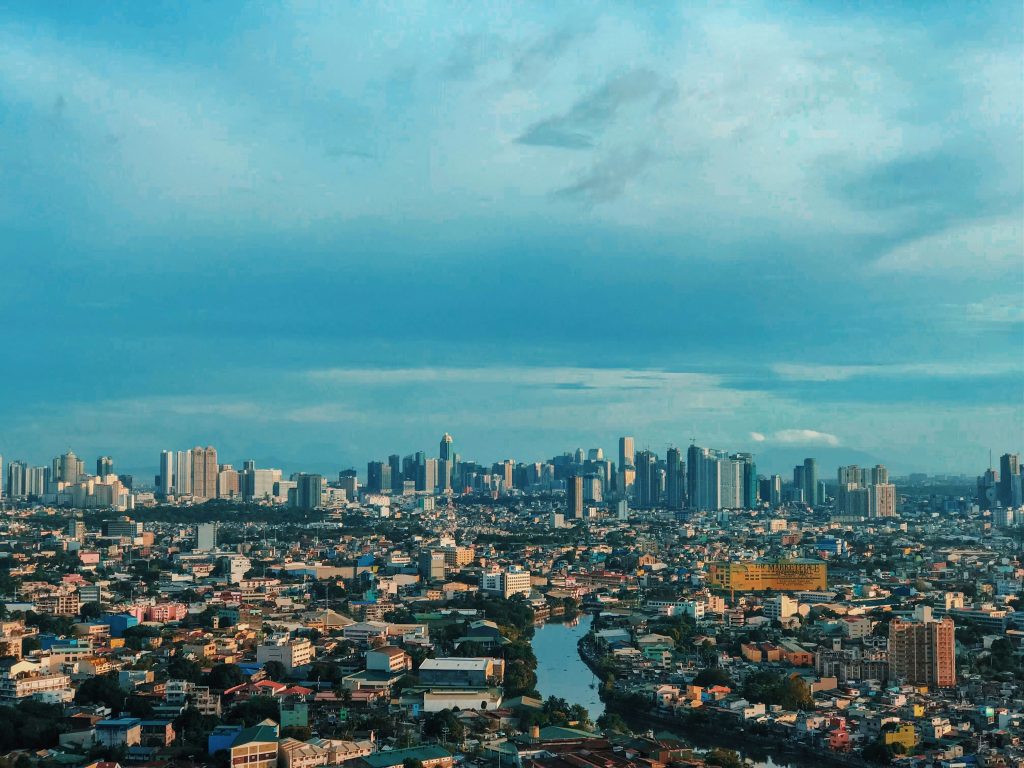
Overall, the Philippines is considered safe for most visitors, especially in popular tourist locations and major cities like Cebu City, Davao City, and Metro Manila. Security conditions vary by region, and local authorities generally maintain a strong presence in urban areas, but common precautions apply throughout the country, particularly in busy urban centres and popular tourist spots.
Petty crime, such as pickpocketing, can occur regularly in crowded shopping malls, shopping centres, and on public transport, so personal safety awareness is important. Travellers should remain alert, avoid displaying large amounts of currency, and follow local advice from hotels or tour operators.
In some parts of the southern Philippines, there have been incidents involving armed groups and terrorist groups. These areas may be subject to travel advisories, increased security forces, or restrictions near military installations and government buildings. Always monitor local media and consult official government travel advice before finalizing travel plans.
Rescue Services and Emergency Services
Emergency services are available nationwide, though response times can vary, especially in rural areas or remote islands. In case of serious incidents, local police, rescue services, and medical facilities coordinate with local authorities.
For critical cases, this coordination may include medical evacuation by air or sea to hospitals with more advanced medical facilities, particularly when incidents occur in rural areas or smaller islands.
In situations where specialized treatment or transport is required, costs related to emergency care or medical evacuation are often at the traveller’s own expense unless covered by insurance.
If you encounter difficulties, embassies can provide assistance, help with contact to family, or provide consular assistance in emergencies, though costs are usually borne by the traveller.
Consular Assistance and Support
Embassies and consulates can provide consular assistance, such as replacing a lost passport, offering legal guidance, or helping you discuss travel plans in emergencies. They cannot pay fines, medical bills, or departure tax on your behalf.
Keep embassy contact details accessible throughout your trip in case you need direct contact or assistance.
Essential Travel Advice for a Trip to the Philippines
Planning ahead can make a huge difference when travelling to the Philippines. Beyond visas and flights, small practical details can significantly improve comfort, safety, and overall experience during your stay.
Plan Around the Climate
The Philippines has a tropical climate with a dry season and a rainy season. Typhoons can occur, particularly between June and November, and may disrupt domestic flights, ferries, and island-hopping tours.
Weather updates, typhoon warnings, and seismic advisories are issued by the country’s astronomical services administration, and travellers should monitor official forecasts closely when planning activities or domestic travel.
Check weather forecasts regularly and build flexibility into your travel plans, especially if visiting remote islands.
Stay Connected and Informed
Purchase a local SIM card or eSIM on arrival for easy access to maps, transport apps, and emergency contacts. Internet coverage is reliable in urban cities but may be slow or unavailable in rural areas. Make it a habit to monitor local media for weather updates, transport disruptions, and local advisories.
Prioritize Health and Hygiene
Drink only bottled water and avoid ice unless you are certain it is made from purified water. Carry hand sanitizer, sunscreen, and insect repellent, particularly when travelling outside urban centres. Medical facilities are generally good in large cities, but access to health care and basic resources can be limited in rural areas, so prepare a medical kit for minor issues.
In more remote islands and rural areas, serious complications may require medical evacuation to major cities such as Manila or Cebu City. This can be extremely costly without insurance, making comprehensive insurance essential for covering emergency transport and specialized medical treatment.
Manage Money Wisely
ATMs are widely available in cities and shopping malls, but they can be scarce on smaller islands. Always carry some cash for markets, transport, and small businesses. Inform your bank before travelling to avoid card blocks, and keep small denominations handy for taxis and tips.
Use Public Transportation Carefully
Public transportation options include jeepneys, buses, trains, ferries, and domestic flights between islands. While affordable, public transport can be crowded and confusing for first-time visitors.
Traffic congestion is common in several cities, so allow extra time when travelling. Traffic conditions can vary significantly on national highways, where long-distance buses, private vehicles, and freight traffic share the road, increasing travel times and accident risks, especially outside the main cities.
Use reputable ride-hailing apps or hotel-recommended taxi drivers rather than hailing random taxis on the street. When using public transport, keep valuables secure and be alert in crowded areas.
Respect Local Culture and Customs
Filipinos are known for their hospitality, but respecting cultural norms is essential. Speak politely, avoid public confrontations, and show respect to elders and authority figures. When visiting religious sites, dress appropriately and follow local customs.
Keep Important Documents Secure
Carry copies of your passport, visa, travel insurance, and emergency contacts, both digitally and in print. Having clear documentation readily available can help avoid delays or being denied entry during arrival or immigration checks.
Store originals securely and avoid carrying unnecessary valuables when sightseeing. Knowing the location of your nearest embassy can be helpful in case of emergencies.
Book Tours and Activities Responsibly
Choose licensed tour operators, especially for activities like diving, island hopping, and boat transfers. Avoid private boats that lack safety equipment. Confirm what is included in your tour and check reviews before booking to reduce risks.
Stay Alert to Safety Risks and Financial Scams
Petty crime and financial scams can occur in tourist areas. Remain alert in crowded shopping malls, public transport hubs, and nightlife districts. Avoid walking alone late at night in unfamiliar areas, and follow safety precautions recommended by local authorities or accommodation staff.
Financial scams can occur in tourist areas, shopping malls, and online. Be cautious when exchanging foreign currency, using unofficial money changers, or dealing with strangers offering investment opportunities.
Use reputable banks, hotels, or licensed exchange counters. Avoid sharing personal or financial information, and be wary of unsolicited offers from taxi drivers or individuals claiming to represent essential services.
Be Aware of Non-Essential Travel Advisories for the Southern Philippines
Some areas, particularly in parts of the southern Philippines, may be subject to travel advisories due to security concerns involving armed groups. These advisories may change, so always stay up to date and monitor local media for developments.
Allow Time for Flexibility
Travel in the Philippines often moves at a slower pace. Transport delays, weather changes, and local events can affect schedules. Keeping a flexible mindset and buffer time in your itinerary will help reduce stress and allow you to enjoy the journey.
Frequently Asked Questions
What are popular destinations to visit in the Philippines?
The Philippines is known for its popular destinations, including:
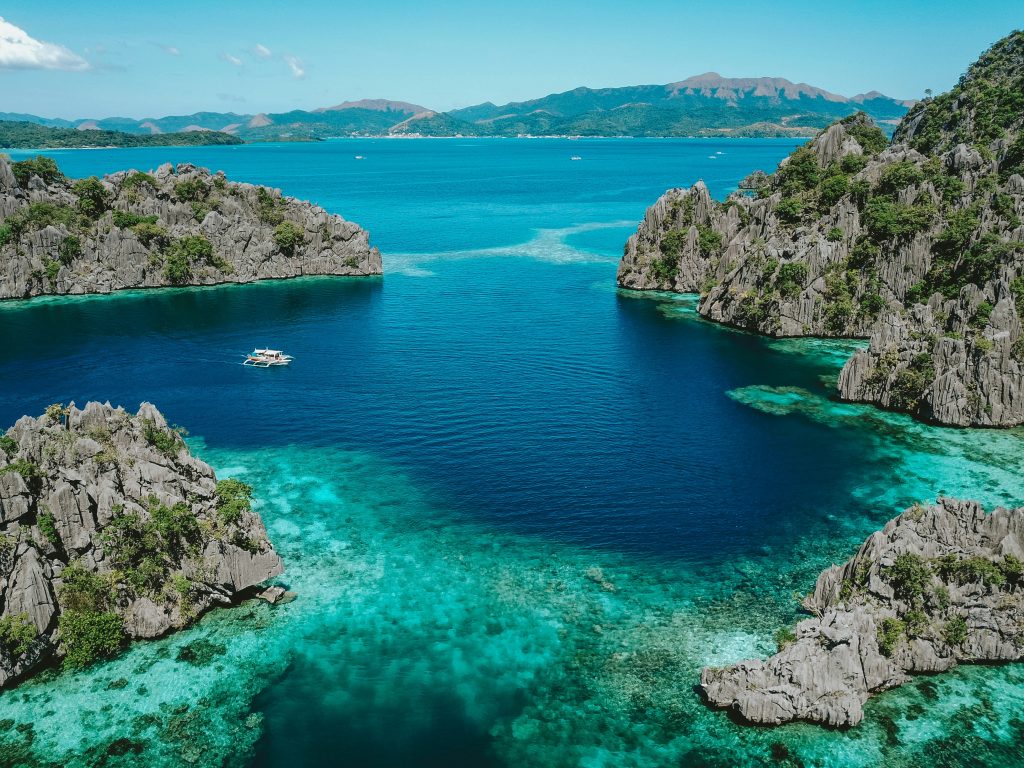
- Palawan Island, famous for limestone cliffs and clear waters
- Cebu City, a major hub for history, beaches, and island hopping
- Davao City, often cited as one of the safest cities for Americans due to strong local governance and security
- Tourist spots across Luzon, Visayas, and Mindanao
These areas generally have good medical facilities, tour operator support, and access to essential services.
Is $500 a lot in the Philippines?
For many travellers, $500 USD can go a long way, depending on location and lifestyle. In provincial towns and rural areas, it can cover accommodation, food, and transportation for a week or more. In several major cities, costs are higher, but $500 is still a comfortable short-term budget.
How much does $100 get you in the Philippines?
$100 can typically cover several meals at local restaurants, a night or two in budget accommodation, daily public transport and short taxi rides, and basic shopping and entrance fees.
Is cash or card better in the Philippines?
It’s best to carry a mix of cash and cards. Cards are widely accepted in major shopping malls, hotels, and shopping centres, but cash is essential in rural areas, markets, and smaller businesses. Always carry small bills.
Do I need travel insurance for the Philippines?
Yes. Travel insurance is strongly recommended when travelling to the Philippines. While health care in major cities is generally good, medical treatment in private hospitals can be expensive, and public medical clinics may have limited resources. Travel insurance helps cover unexpected medical costs, emergencies, and disruptions.
What is an Emigration Clearance Certificate, and who needs it?
An emigration clearance certificate is required for certain travellers, particularly foreign nationals who have stayed in the Philippines for extended periods. This document is issued by the immigration office and confirms that all immigration requirements have been met before departure. Failure to obtain this certificate may result in delays, fines, or being prevented from leaving the country.