
Quick Facts
- Official Name: South Korea– officially the Republic of Korea (Daehan Minguk); North – officially the Democratic People’s Republic of Korea
- Capital City: South Korea: Seoul; North: Pyongyang
- Land Area: South Korea: approximately 100,363 km²; North: approximately 120,540 km²
- Population: South Korea: about 52 million; North: about 26 million
- Currency: Korean Won (KRW)
- Principal Language: Korean language using the Korean alphabet (Hangul)
- Government: South Korea: Democratic presidential system led by the South Korean government; North: centralized socialist state under the ruling party
- Coastlines: The Korean Peninsula is bordered by the Yellow Sea to the west, the East Sea (Sea of Japan) to the east, and the Korea Strait to the south
- Major Rivers: Han River, Nakdong River, Taedong River, Yalu River
- Highest Geographic Points: South Korea: Hallasan on Jeju Island; North: Mount Paektu near the China border
Overview of Korea
Korea is a region in eastern Asia made up of two sovereign states that share deep historical roots, a single cultural identity, and a divided modern reality. The peninsula is located between the Yellow Sea to the west and the East Coast along the Sea of Japan.
Today, the two states remain separated into North and South Korea, each with its own political system, economy, ruling leadership, and relationship with the global community.
South Korea
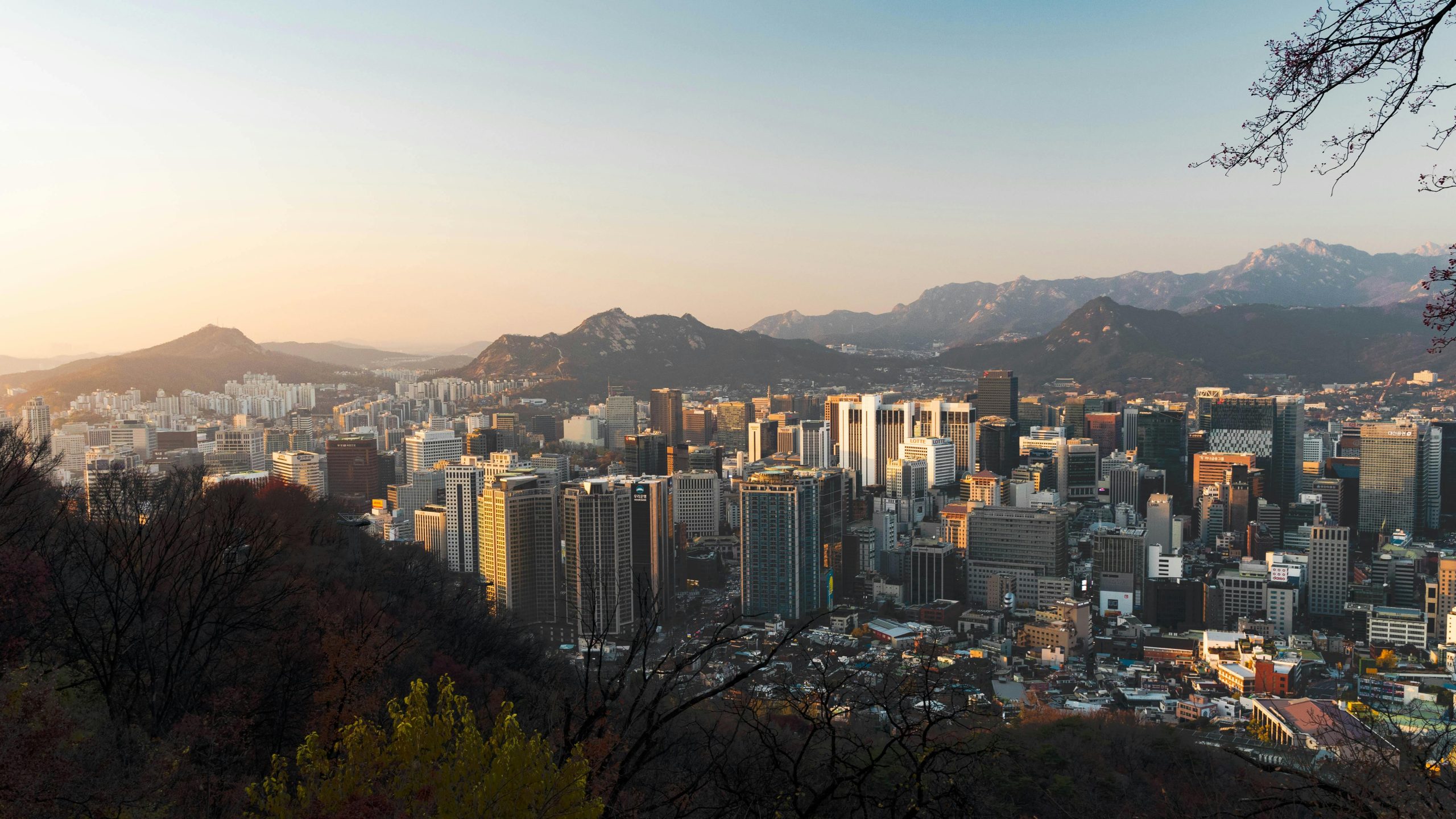
South Korea occupies the southern part of the Korean Peninsula and is known for its rapid economic growth, technological leadership, and highly urbanized lifestyle. Its capital city, Seoul, is one of the world’s largest metropolitan cities.
South Korea’s government operates under a presidential system, with elected leaders such as President Moon Jae-in, President Park Geun-hye (the first female president), and current President Yoon Suk Yeol. South Korea’s terrain is largely mountainous with low coastal plains, and Jeju Island sits to the south as a volcanic island with its own microclimate.
South Koreans enjoy modern infrastructure, advanced transportation, renowned universities, and one of the world’s strongest military forces. Compulsory military service is required for almost all men, contributing to a well-trained South Korean military and Korea Army that works with UN forces and the ROK government for national defence.
North Korea
North Korea occupies the northern half of the peninsula. The country follows centralized politics, with the ruling party maintaining strict control over the government, economy, and society.
Pyongyang serves as its capital city. North Korean troops remain heavily fortified along the Demilitarized Zone (DMZ), and the state continues to emphasize military development, partly rooted in the unresolved tensions from the Korean War.
Korea Geography
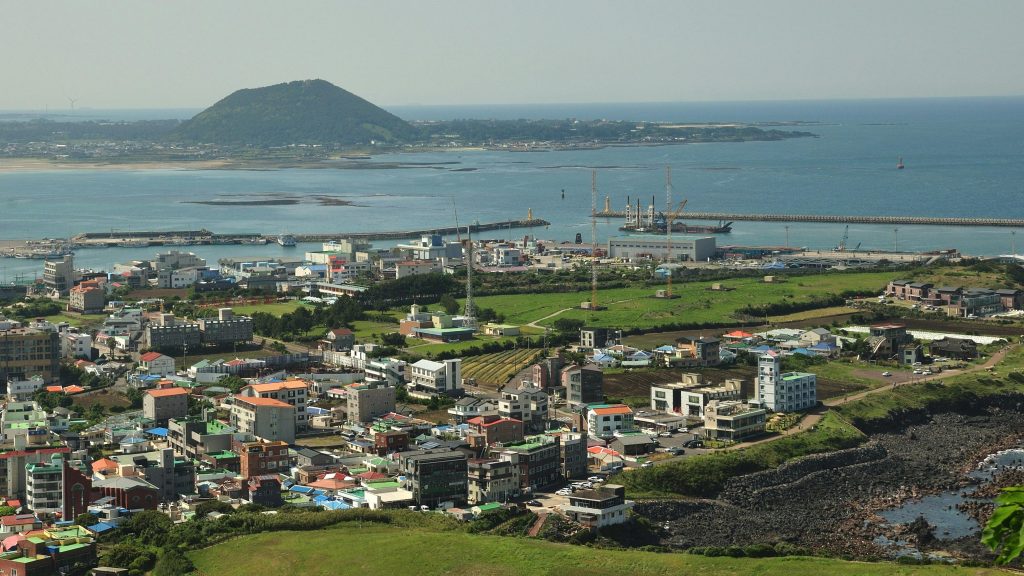
The Korean Peninsula is surrounded by the Yellow Sea on the west and the East Sea on the east coast. South Korea’s terrain is mountainous, with the southern half experiencing a short rainy season in summer.
Typical average January temperature range spans from below freezing in the north to mild temperatures in the south. Meanwhile, the average August temperature range is warm to hot, especially in inland areas.
The environment varies significantly from the cold northern regions to Jeju Island’s warmer climate. The country enjoys four distinct seasons, though weather extremes differ between north and south.
History of Korea
Three Kingdoms Period
The origins of the Korean nation stretch back to the ancient Three Kingdoms: Goguryeo, Baekje, and Silla. These early kingdoms developed Korea’s culture, art, governance, and early writing traditions. Later dynasties, influenced by interactions with the Yuan Dynasty and Qing Dynasty, shaped Korea’s political and cultural evolution before the arrival of Japan.
World War II and the Division of the Korean Peninsula
Before the division, Korea endured a long period of occupation under imperial Japan. Japan’s surrender in World War II split the peninsula along the 38th parallel, with Soviet troops occupying the north and American forces administering the south.
This separation weakened the nation and prevented the restoration of the Korean Empire or the Great Han Empire. In the years that followed, both sides established their own governments, leading to the formation of the Republic in the south and the Democratic Republic in the north.
Japanese Occupation
Korean history includes earlier struggles against Japanese invasions during the Joseon period. Centuries later, Japan formally annexed Korea in 1910, dissolving the Korean Empire.
Korean resistance movements formed the Korean Provisional Government, which operated in exile. Japanese forces controlled the economy, politics, and society until the end of the Second World War. This period remains central to Korea’s national memory and independence history.
The Korean War
The Korean War began in 1950 when North Korean troops launched a North Korean invasion into the south, crossing the 38th parallel. The conflict quickly escalated into a major international war involving UN forces, South Korean troops, Chinese troops, and Soviet troops backed by the Soviet Union.
Though fighting ended in 1953, no peace treaty was signed, leaving the two states technically still at war. The divide continues to shape northeast Asia and the politics of both states.
Republic of Korea (South Korea)
South Korea transformed from a war-torn nation into a global economic power. Leaders such as Park Chung Hee played major roles in industrialization in the latter half of the 20th century, while President Kim Dae Jung worked toward economic cooperation with the north through the historic joint statement known as the Sunshine Policy.
During the era of Park Chung Hee and the years that followed, South Korea experienced periods of martial law imposed during political crises and national security tensions. Today, South Korea maintains one of the world’s largest semiconductor, entertainment, and automobile industries.
Korean Wave
One of South Korea’s most influential cultural exports is the Korean Wave, a global phenomenon of entertainment, music, television dramas, and film.
This wave has strengthened national identity, boosted tourism, and introduced millions worldwide to the language, alphabet (Hangul), and writing system designed by the fourth king of the Joseon Dynasty, King Sejong the Great.
Today, everything from K-pop to Korean skincare reflects the creativity and modern culture of the country.
Korean Society, Language, and Culture
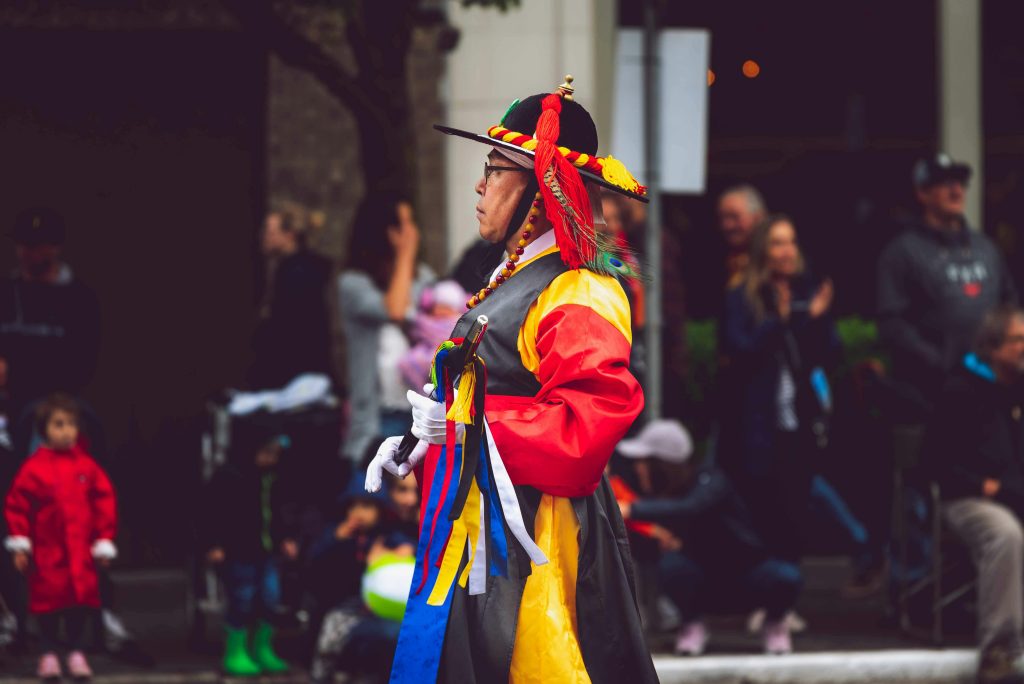
Korea’s language is shared by both nations. South Korea continues to use Hangul, the Korean alphabet, as its primary writing system. Korean culture preserves centuries-old traditions such as hanbok, court dances, Confucian rituals, and folk performance arts.
The patriotic song Aegukga represents national identity, and governments promote cultural heritage throughout metropolitan cities.
Government of Korea
Korea’s government structure is shaped by the division of the Korean Peninsula into two sovereign states: North and South Korea. Although the two states share thousands of years of cultural history, their modern political systems developed in opposite directions after the Second World War, and the arrival of Soviet troops in the north and American forces in the south.
South Korea
South Korea operates under a democratic presidential system. The government includes an elected president, a prime minister appointed with approval from the National Assembly, and multiple ministries overseen by appointed cabinet members.
The country follows a multi-party political system where major parties compete in free elections. Former leaders such as Kim Dae Jung, Lee Jae Myung, Park Geun Hye (the first female president), President Moon Jae In, and current President Yoon Suk Yeol played key roles in shaping the political system and the nation’s economic growth.
Alongside the National Assembly, the prime minister coordinates national policies and oversees ministry operations across the country. Local governments oversee administrative regions, including provinces and cities, ensuring that the country is efficiently managed.
North Korea
North Korea follows a centralized socialist system led by the ruling party. Authority remains highly concentrated, and the state controls all major political, economic, and social activities.
The government emphasizes military strength, with North Korean troops forming one of the most significant institutions within its state structure. The strong focus on defence originates from the unresolved tensions of the Korean War, the presence of UN forces to the south, and the continuing separation of North and South Korea.
Although the two Koreas share the name Korea and the legacy of the Korean Empire, their government systems reflect decades of political turmoil, ideological division, and differing alliances with major powers in Asia. Today, both states continue to influence the stability of the peninsula, shaping diplomatic relations, economic cooperation efforts, and the long-term prospects for reunification.
Korea Economy and Industry
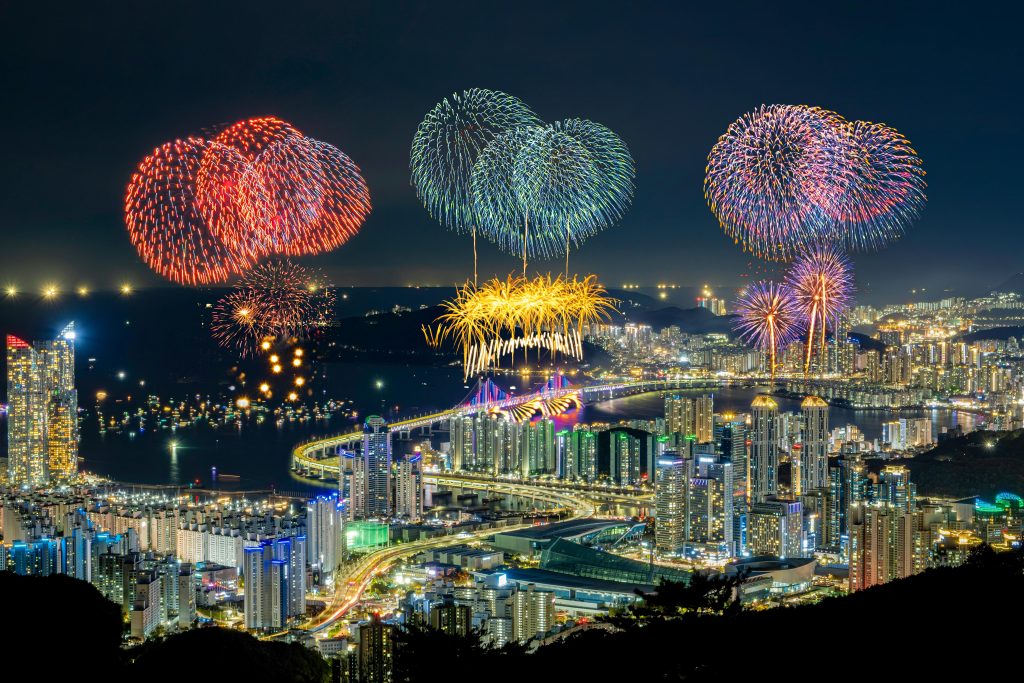
South Korea’s rapid economic growth transformed it from a developing state to a global economic leader. Electronics, shipbuilding, steel, telecommunications, and automobiles form the core industries.
The country is known for innovation, with giants like Samsung and Hyundai leading global markets. Economic cooperation with major countries in eastern Asia and around the world fuels ongoing development.
Foreign Trade of Korea
Foreign trade plays a central role in shaping the economies of both North Korea and South Korea, though the scale and global engagement of each nation differ dramatically.
In the southern half of the Korean Peninsula, South Korea has developed one of the world’s most dynamic and export-driven economies, built on advanced manufacturing and strong international partnerships. It maintains extensive trade relationships with countries across Asia, Europe, and North America, relying on global exchanges to support its position as a prosperous country.
South Korea’s major exports include semiconductors, automobiles, electronics, petrochemicals, steel products, and ships. Global brands such as Samsung, Hyundai, Kia, and LG allow the country to maintain a powerful presence in international markets.
The ROK government actively pursues economic cooperation agreements and free trade partnerships to increase market access and reduce barriers. Its major trading partners include China, the United States, Japan, the European Union, and Southeast Asian nations.
The country’s strong logistical network, advanced port systems, and efficient mass transportation infrastructure all support its role as a major trading nation. Foreign trade has been essential in transforming South Koreans’ quality of life, strengthening the national assembly’s economic policy focus, and fueling long-term innovation.
In contrast, North Korea maintains limited foreign trade due to political isolation, sanctions, and strict government control. Its most significant trade relationships are with China and, to a smaller extent, Russia.
Exports typically include minerals, textiles, and basic manufactured goods, while imports center on food, fuel, machinery, and essential supplies.
North Korea’s foreign trade policies are heavily influenced by its politics, military priorities, and the legacy of the Korean War. The state’s restricted engagement with the global economy stands in stark contrast to South Korea’s outward-looking strategy.
Together, the two Koreas illustrate contrasting approaches to foreign trade on the Korean Peninsula. While South Korea uses global commerce as a tool for development and international influence, North Korea’s constrained trade highlights the challenges of political isolation.
The division continues to shape economic outcomes across the peninsula and influences long-term prospects for stability, growth, and regional cooperation.
Tourism and Recreation in Korea
South Korea has world-class public transportation, including subways, buses, highways, and the KTX high-speed rail. Korea’s national carrier, Korean Air, connects the Republic of Korea to the global economy. Major global routes connect South Korea to cities across the world, including San Francisco, Los Angeles, and other hubs. Domestic flights link the mainland to Jeju Island and other regions.
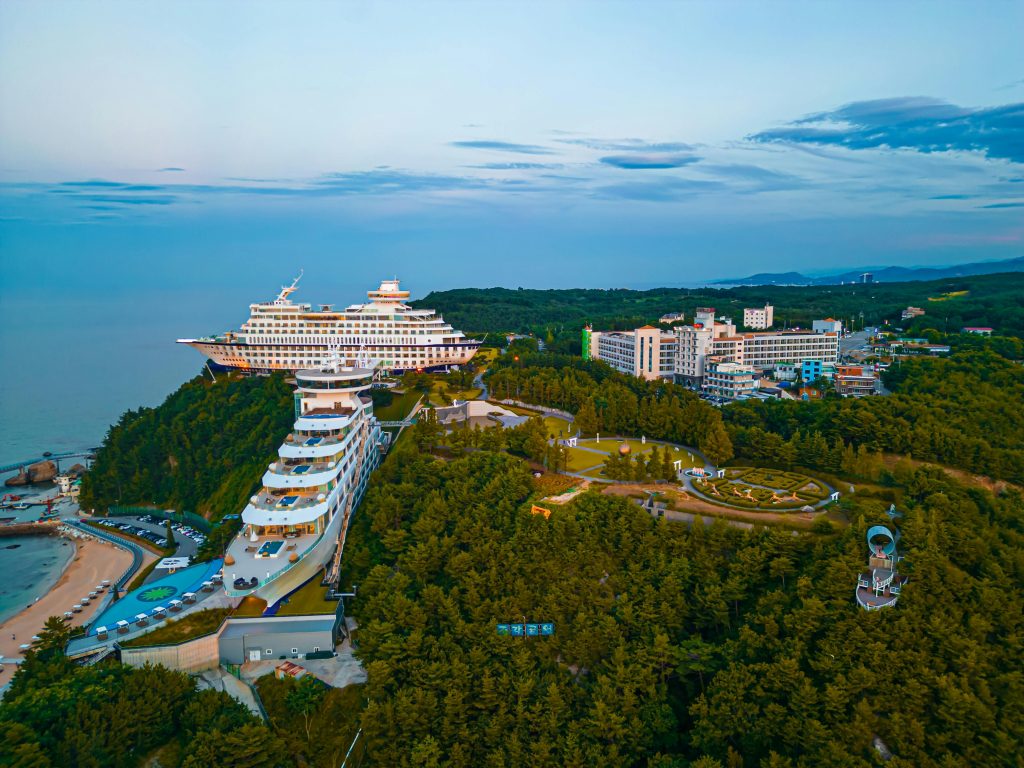
South Korea attracts millions of tourists each year. Jeju Island, ancient palaces, national parks, and coastal cities highlight the south of the peninsula. Nature is abundant, and hiking culture remains popular among South Koreans.
Casinos operate legally in South Korea but are heavily regulated. Most casinos are open only to foreign tourists, while South Koreans are restricted from gambling in the majority of locations. The exception is Kangwon Land, the only casino where South Koreans are allowed to gamble legally. North Korea also operates casinos primarily for foreign visitors in special economic zones.
Country Profile Summary
Korea is a historic region in East Asia that occupies the Korean Peninsula, a landmass divided into two modern states: South Korea and North Korea. Together, these two Koreas share deep cultural roots, a common language, and a history shaped by ancient kingdoms, foreign invasions, Japanese occupation, and post–World War II political division.
South Korea is known for its highly urbanized society, advanced technology, and global cultural presence. Its capital city, Seoul, anchors a modern nation led by a democratic president with institutions such as the National Assembly and a network of governments.
South Koreans benefit from one of the strongest economies in eastern Asia, thriving trade relationships, and globally influential industries in electronics, automobiles, entertainment, and manufacturing. Major leaders such as Park Geun Hye, Moon Jae In, and current President Yoon Suk Yeol have shaped the country’s political system and global standing.
North Korea takes a contrasting path, operating under a centralized political system with strict state control over society, the economy, and military affairs. Pyongyang serves as its capital, and the government emphasizes national security, military power, and ideological unity.
Its limited economic cooperation with the global community and restricted foreign trade reflect decades of political turmoil rooted in the unresolved tensions of the Korean War.
Despite their division, both states contribute to the long historical continuity of the nation, whose civilization stretches back to the Three Kingdoms period, through the Korean Empire, the Japanese occupation, and into the modern era.
Today, the entire country—divided but culturally linked—remains central to the strategic landscape of northeast Asia. From K-pop and the Korean Wave to geopolitical negotiations and global trade, Korea continues to influence the world while preserving its unique identity across the entire peninsula.