
Where to Live in Korea
Korea is an exciting and diverse region on the Korean Peninsula, offering a mix of bustling metropolitan life, coastal charm, culture, and modern amenities. While the peninsula is divided between South Korea and North Korea, this guide focuses on where to live in South Korea for foreigners who want to experience its rich cultural heritage, natural beauty, and international influence.
From vibrant nightlife and beautiful beaches to efficient public transportation and thriving expat communities, South Korea offers many attractive options for foreign residents, digital nomads, English teachers, and skilled workers.
Best Places to Live in South Korea
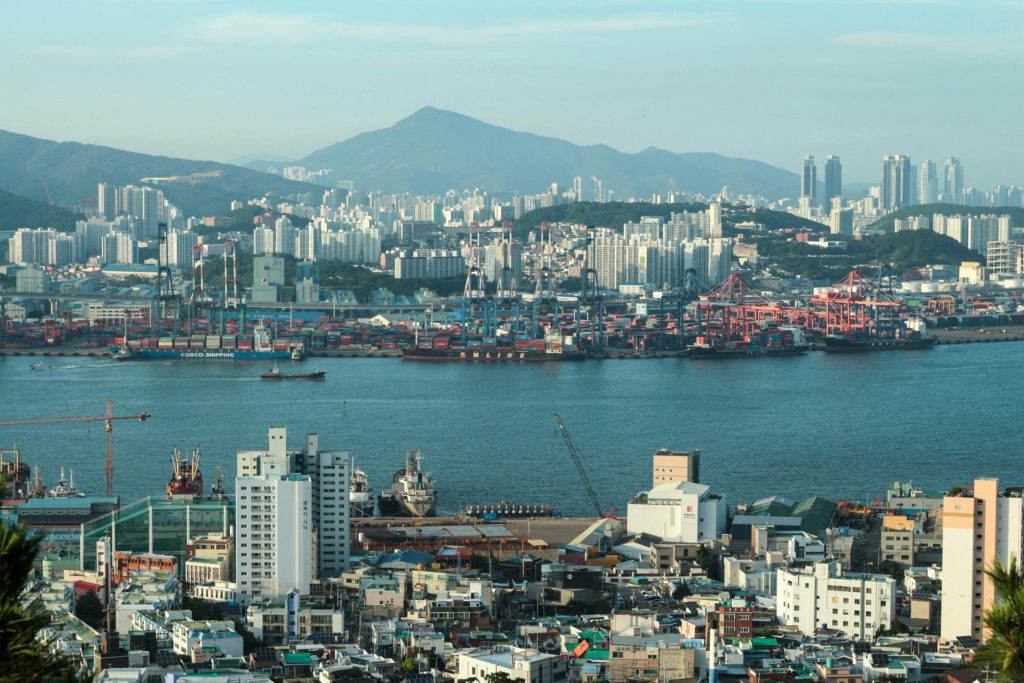
South Korea offers a unique blend of ancient traditions and modern infrastructure. Many Western countries admire South Korea for its safety, innovation, and cultural attractions.
The country has a simple writing system that makes it easier to speak Korean or at least learn basic Korean language skills. Younger people often know some English, especially in cities such as Seoul and Busan, and many services in South Korea now include English language support.
Those who live in South Korea enjoy affordable healthcare, amazing street food, and a reliable public transport system. The cost of living is lower than in many Western countries, although living in the capital or any large city may come with a high cost in rent.
Still, expat life in South Korea is convenient, and the country has a strong sense of community. The thriving community of expats continues to grow thanks to English programs, international schools, and opportunities for foreign students and native English speakers.
South Korea also offers excellent transportation infrastructure, including one of the world’s most efficient subway systems. Public transport connects major cities and even remote areas. Whether you prefer a vibrant nightlife or historical sites, you will find plenty of options in South Korea.
Seoul: A Big City With Everything
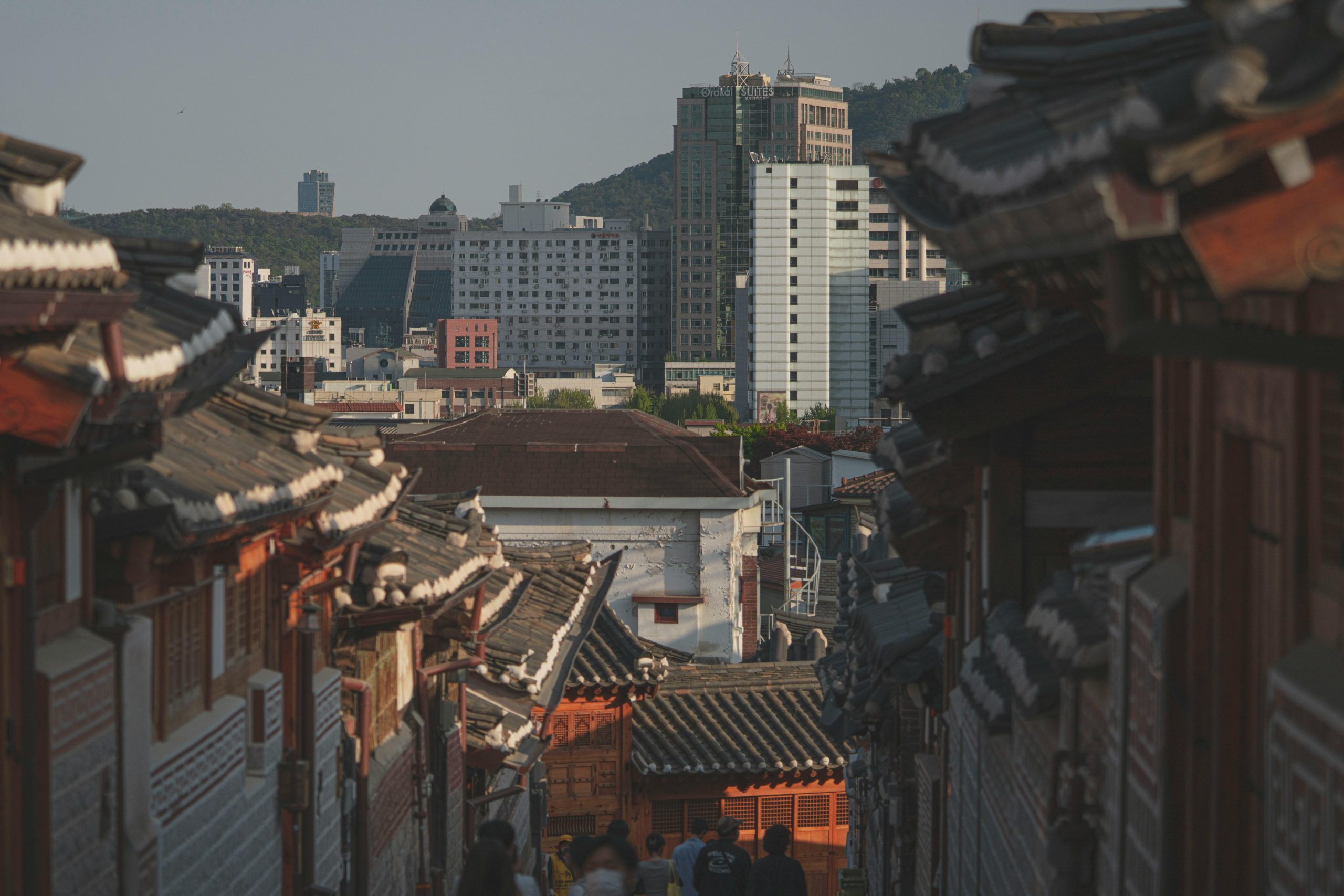
Seoul is the largest city in South Korea and the capital city. It is a bustling metropolis with an intense work culture, fancy restaurants, shopping malls, and unmatched modern conveniences.
Many foreigners choose to live in Seoul because it offers easy access to English-language services, international schools, public school options, and a big expat community. English is widely spoken in Seoul, making it easy for expats to adjust and converse with locals.
The cost of living is higher here, but the city offers incredible attractions, from royal palaces to modern galleries. This is the preferred destination for digital nomads, skilled workers, and English teachers who want a steady income and convenient access to public transport.
Busan: Coastal City With a Laid-Back Atmosphere
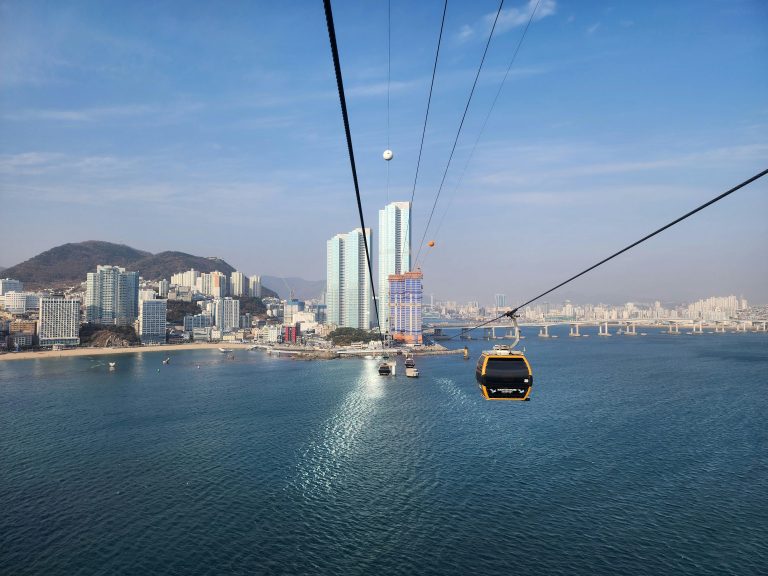
Busan sits along the southern coast and is famous for its sandy beaches and seafood markets. It is South Korea’s second-largest city and a popular area for foreigners wanting a balance between work and leisure.
Busan also has a strong nightlife culture and excellent public transportation. Young people love the mix of coastal charm and big city amenities.
Daegu: A Central Location With Modern Comforts
Daegu is the third largest city in South Korea and offers a more laid back atmosphere than Seoul, while still providing major city conveniences.
It is well-connected through an efficient public transport system and serves as a hub for Korean culture, fashion, and outdoor activities. Daegu’s location makes it ideal for expats looking for easy travel to other cities.
Incheon: International Flair and Transport Hubs
Incheon, located near Seoul, blends urban living with coastal views. It is home to South Korea’s Incheon International Airport, making it a hub for international students and digital nomads.
Gamcheon Culture Village, art spaces, and modern malls make it a popular destination for expats who want modernity with cultural attractions.
Gwangju: Rich in Korean Culture and Heritage
Gwangju is deeply rooted in Korean culture and political history. It’s known for its rich cultural heritage, art galleries, and traditional culture.
Many expats who want to immerse themselves in Korean society choose this city for its museums, creative community, and strong sense of local identity.
Pohang: Southeastern Coast Opportunities
Located on the southeast coast of South Korea, Pohang is home to major industries and offers plenty of opportunities for skilled professionals.
Foreigners working in science, engineering, and design often choose Pohang because of its job opportunities. The city is also close to historical sites such as the Gyeongju Historic Area.
Cheongju: A Smaller City With Urban Benefits
Cheongju provides a blend of smaller city peacefulness and big city infrastructure. It serves as an education and administrative hub with international schools, universities, and a strong public transport network. Expats looking for affordable housing often choose Cheongju.
Jeju Island/ Jeju City: For a Country Lifestyle
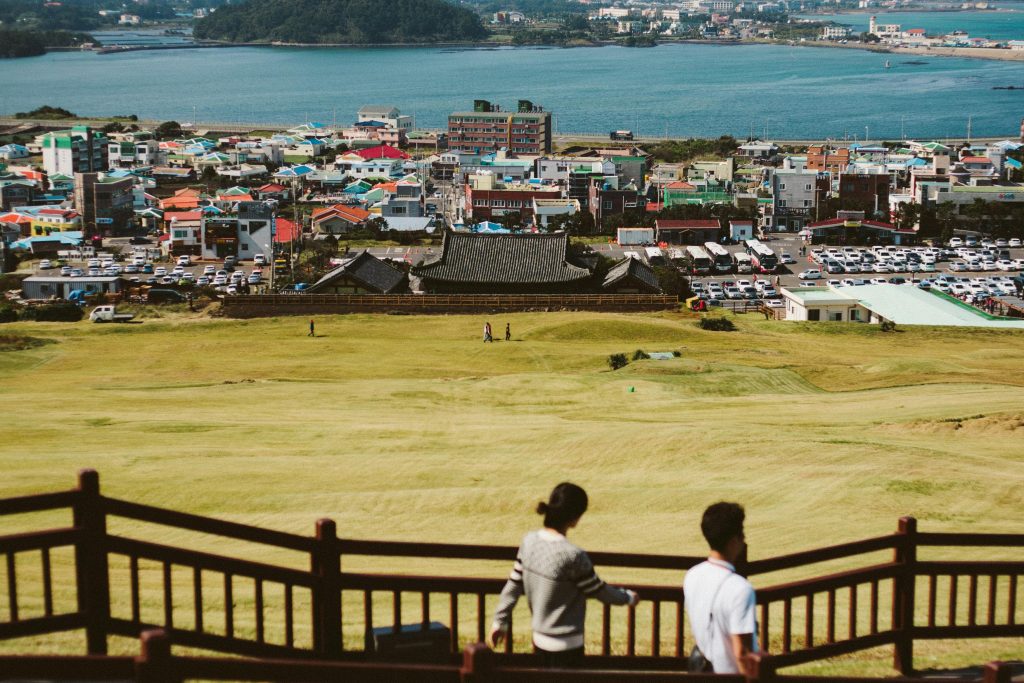
Jeju Island is one of the most popular destinations in South Korea for foreigners wanting a slower lifestyle. With volcanic landscapes, sandy beaches, and an overall more relaxed pace, it attracts digital nomads, retirees, and English teachers.
The island’s main area, Jeju City, offers both a coastal environment and city conveniences. While cultural differences and more reliance on the Korean language may be more noticeable here, the island remains a favorite for those seeking peace and access to outdoor adventures.
Expat Community in Korea: Where They Live and Job Opportunities (English Teaching, Business, Tech, and More)
South Korea has a growing community of expats spread across major cities, smaller city areas, and popular destinations such as Jeju Island.
Expats looking for work in education, tech, entertainment, and international business find plenty of opportunities. Teaching English remains one of the most accessible forms of employment for foreigners, and having a bachelor’s degree greatly increases chances of success.
Foreigners moving to South Korea from Western countries adjust easily because the country offers a stable healthcare system, reliable health insurance requirements, and modern perks.
However, newcomers should be prepared for cultural differences, personal space norms, and the work culture found in many Korean companies. Most services operate primarily in the Korean language, so expats who learn even basic phrases often find communication and daily tasks more convenient.
Living in South Korea also comes with an efficient public transport system that reduces the need for a car, even in other major cities outside Seoul.
Foreign residents often begin their search for where to live in Korea by looking at major cities. The best place to live depends on your priorities: budget, job opportunities, cultural differences, lifestyle preferences, and tolerance for cold winters or hot summers.
Safest Places to Live in South Korea
South Korea is widely regarded as one of the safest countries in East Asia, with low crime rates, strong community awareness, and well-maintained public spaces.
Some of the safest places to live in South Korea include Seoul’s Gangnam and Seocho districts, known for infrastructure and secure apartment complexes, as well as Bundang and Ilsan in the greater Seoul area, which offer calm residential neighborhoods with easy access to the city center.
In Busan, the coastal districts of Haeundae and Suyeong are popular for their safe streets, beautiful sandy beaches, and dependable public transport. Jeju Island and Jeju City are also considered among the safest locations in the country, offering a peaceful environment, natural beauty, and a more laid-back lifestyle ideal for families, retirees, and expats.
Cost of Living in Korea
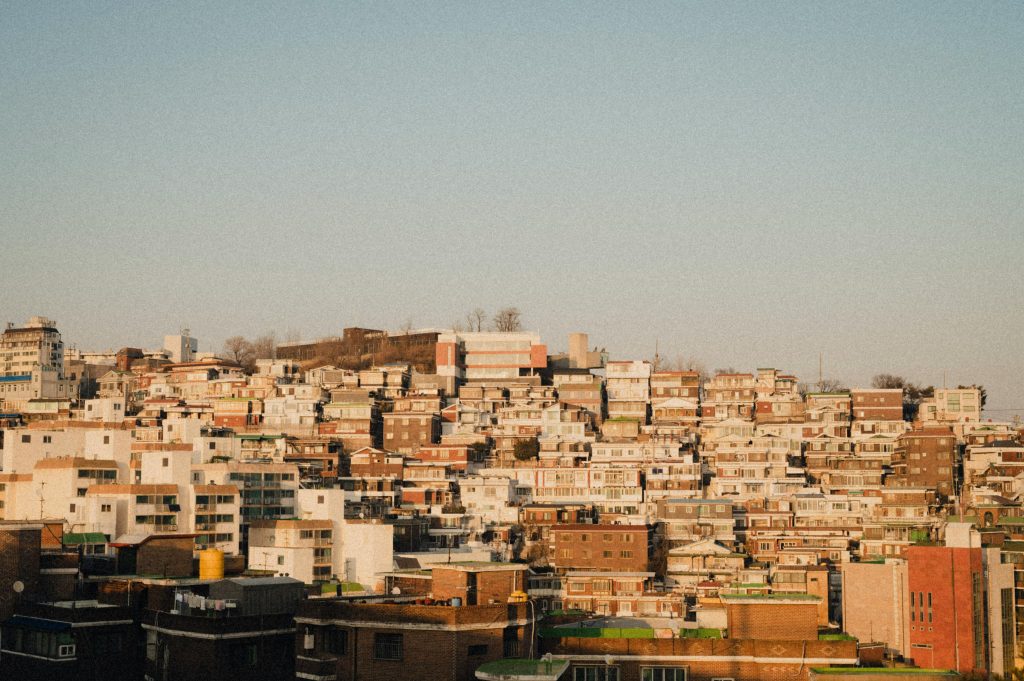
The cost of living in South Korea depends largely on where you choose to live, with cities like Seoul and Busan offering a big city lifestyle at a higher cost, while smaller city regions provide a laid-back atmosphere with significantly lower expenses.
Living in the center of the capital city or other major cities means dealing with higher rent prices, especially in neighborhoods close to subway stations or popular cultural attractions. However, South Korea offers an efficient public transportation system and a wide range of convenient amenities that help keep daily expenses manageable.
Housing
Housing is often the largest expense for expats seeking long-term residence. In Seoul, rent in the city center can be expensive compared to many Western countries, particularly for apartments near the subway or in international neighborhoods with a strong expat presence.
Cities such as Busan and Daegu are slightly more affordable, offering comfortable housing options, easy access to public transport, and a mix of malls, Korean food markets, and nightlife.
Smaller city areas like Cheongju, Jeonju, or Gwangju provide affordable houses, more personal space, and a quieter environment. These regions are ideal for digital nomads, foreign students, young people starting their careers, and families needing access to public school options without the high cost of big city living.
Daily Expenses
Daily expenses in South Korea are generally reasonable. Groceries, Korean food, and street food are inexpensive, making it easy to enjoy the country’s rich culinary scene without overspending.
Dining out at restaurants in the city center will cost more, but local food stalls and markets remain budget-friendly. Utilities such as electricity and heating can fluctuate depending on the weather, as air-conditioning and ondol floor heating may increase monthly bills.
Internet and mobile phone plans are fast, reliable, and affordable by international standards.
Transportation
Transportation is another cost that works in favor of those who choose to live in South Korea. With an efficient public transport system that includes buses, subways, high-speed trains, and well-connected regional routes, most expats find they do not need a car.
This significantly reduces monthly expenses tied to fuel, parking, and insurance. Even in smaller city areas, public transport provides easy access to other cities and coastal regions across the country.
Healthcare
Healthcare is affordable and high-quality, supported by a national health insurance system that residents—including many foreigners—can enroll in.
The affordable healthcare system helps lower overall living costs, especially compared to many Western countries, where insurance can be expensive. Medications, check-ups, and emergency care are generally accessible and reasonably priced.
Frequently Asked Questions
Where do most foreigners live in Korea?
Most foreigners live in Seoul, Busan, and Incheon due to job opportunities, international schools, English services, and strong expat communities.
Where do most Americans live in Korea?
Most Americans live in Seoul, particularly in international neighborhoods such as Itaewon, Hannam-dong, and Yongsan.
Can I live in Korea as an American?
Yes. Americans can live in South Korea through work visas, student visas, English teaching programs, and residency pathways. Many Americans live comfortably here thanks to English-friendly services.
Where do the wealthy live in Korea?
South Korea’s wealthiest residents often live in Seoul’s Gangnam district, Apgujeong, Cheongdam, and parts of Seocho, known for luxury housing, elite schools, and high-end shopping.