
Things to Do in Korea
South Korea has quietly become one of Asia’s most exciting travel destinations. A South Korea trip offers history, food, pop culture, nature, and modern city life all in one compact country.
Located on the Korean Peninsula, the country blends ancient traditions with cutting-edge urban experiences, making it an ideal destination whether you have a few hours, several hours, or an entire month to spend time exploring.
While North Korea remains largely inaccessible except through tightly controlled guided tour programs, South Korea is open, welcoming, and easy to navigate. From UNESCO World Heritage Site landmarks and royal palaces to street art, street food, and cafes, there is no shortage of things to do in Korea.
Top Things to Do in South Korea
South Korea offers a wide range of experiences that reflect its layered history and modern lifestyle. From learning about the Japanese occupation through preserved sites and museums to riding a cable car up scenic viewpoints, the country presents countless ways to explore its past and present.
Travelers can visit places that range from royal palaces and traditional neighborhoods to modern shopping districts, where stores like Olive Young have become go-to stops for discovering Korean beauty products and everyday essentials.
Whether you’re focused on culture, scenery, or city life, South Korea delivers memorable experiences for every type of traveler.
Visit Seoul: South Korea’s Capital
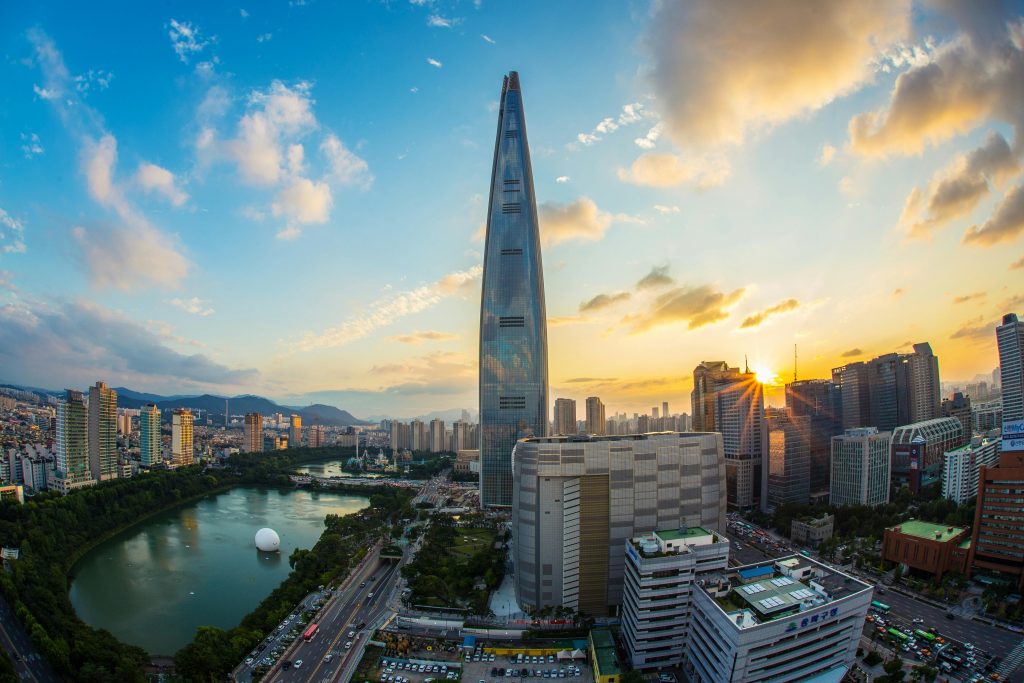
Location: Seoul, South Korea
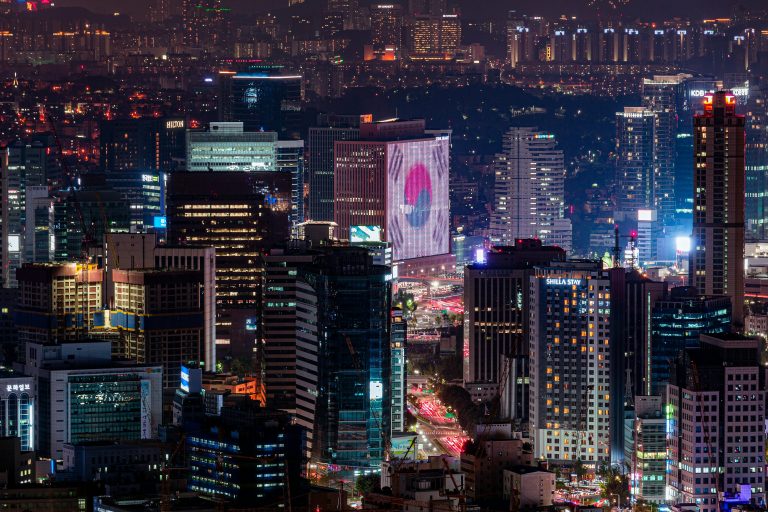
Seoul is the cultural, political, and economic heart of South Korea, making it the ideal starting point for first-time visitors. As South Korea’s capital and largest city, Seoul blends ancient history with modern innovation, offering travelers endless opportunities to explore, eat, shop, and relax.
First-time travelers consider Seoul the go-to place because it allows them to visit places that move seamlessly between centuries. You can spend hours roaming royal palace grounds in the morning, walk through traditional neighborhoods in the afternoon, and enjoy rooftop views, nightlife, and cool cafes by evening.
Visitors can enjoy skyline views from observation decks or ride a cable car up Namsan for panoramic scenery over the city. With efficient public transportation and clearly marked attractions, Seoul offers one of the easiest and most rewarding city experiences in Asia.
Discover the Five Royal Palaces of Seoul: Gyeongbokgung Palace, Changdeokgung Palace, Deoksugung, Changgyeonggung, and Gyeonghuigung
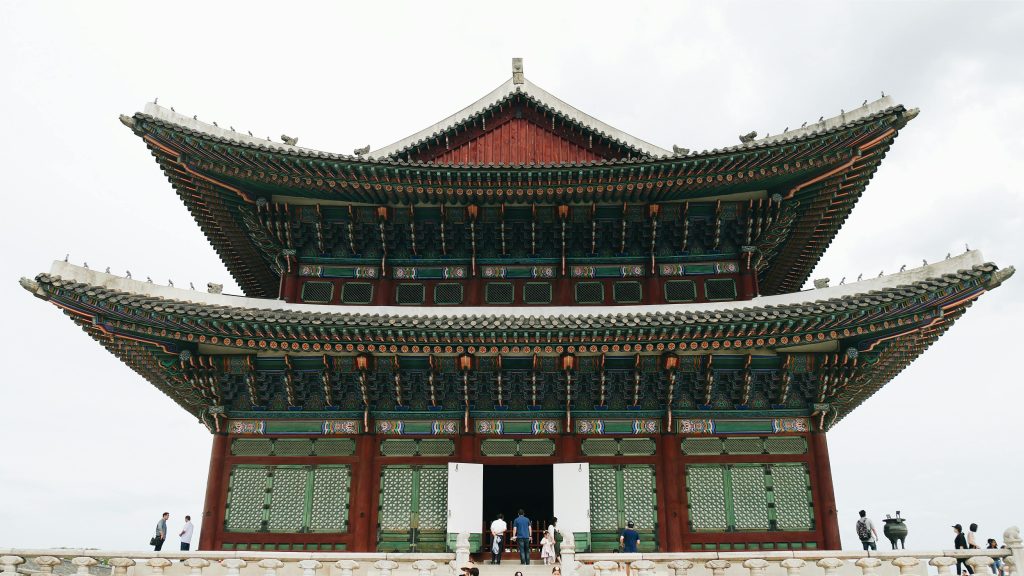
Location: Central Seoul
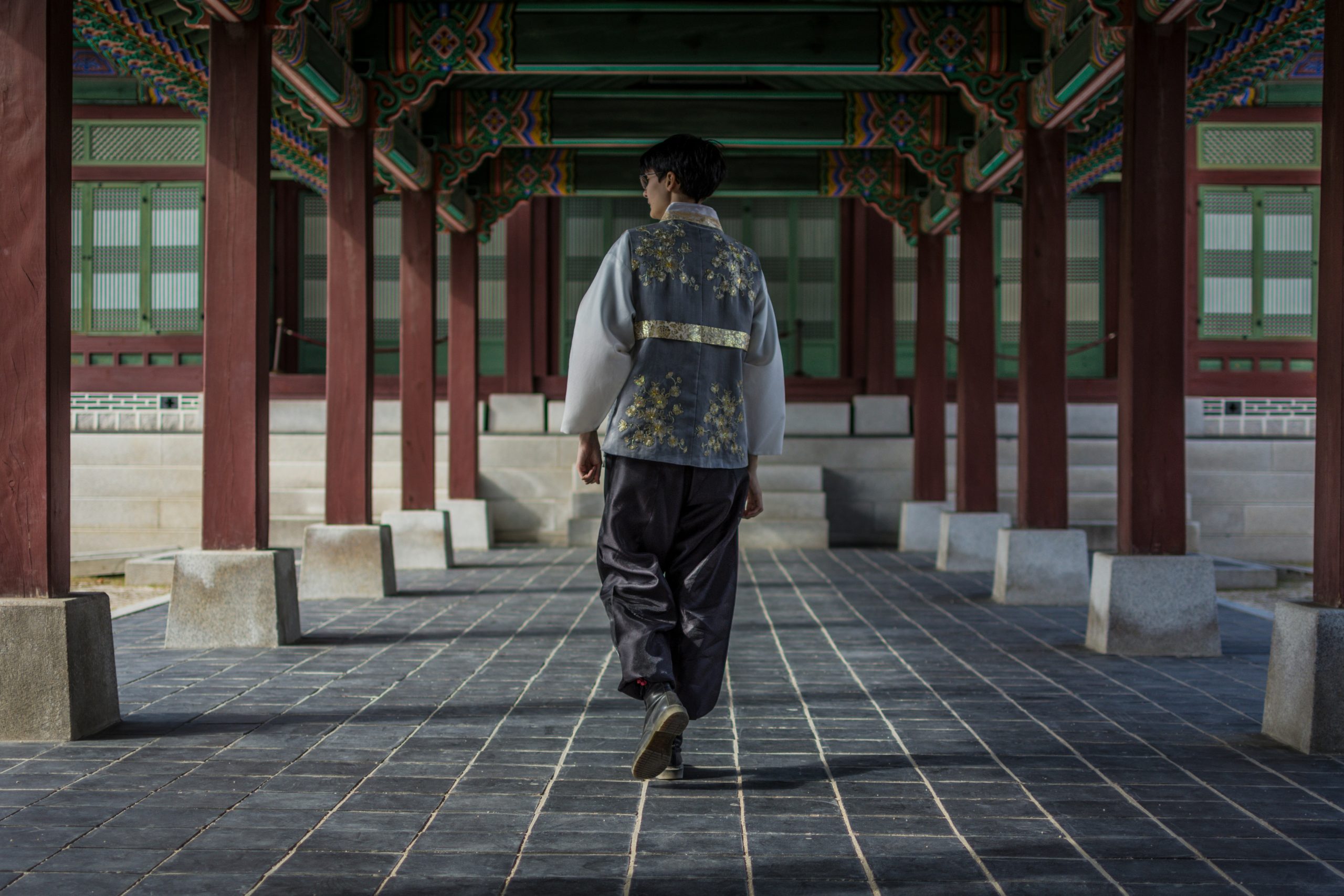
Seoul is home to five royal palaces built during the Joseon Dynasty: Gyeongbokgung Palace, Changdeokgung Palace, Deoksugung, Changgyeonggung, and Gyeonghuigung. These historic complexes once served as the political and ceremonial centers of the kingdom and remain among the most important cultural landmarks in South Korea.
Gyeongbokgung Palace, the primary royal residence, is the most iconic. Entering through its main entrance feels like stepping back into Korea’s imperial past, with grand courtyards, throne halls, and mountain backdrops.
Changdeokgung Palace, a UNESCO World Heritage Site, is especially admired for its secret garden and natural harmony, offering a quieter and more contemplative palace experience through guided tours.
Walk Through Bukchon Hanok Village and Namsangol Hanok Village
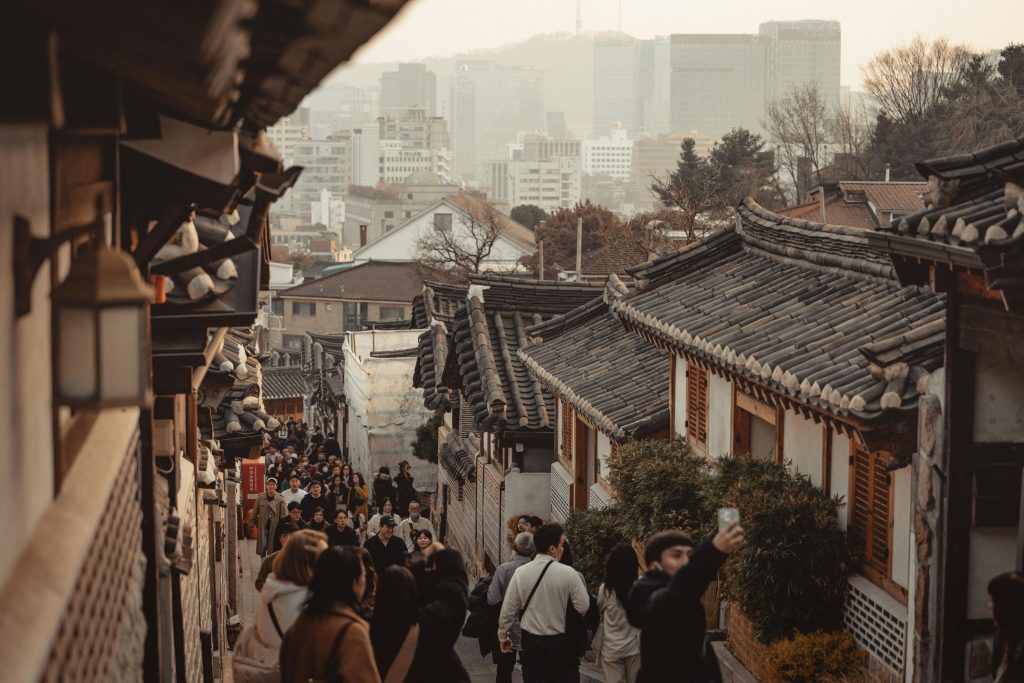
Location: Between Gyeongbokgung Palace and Changdeokgung Palace
Bukchon Hanok Village is one of the best places to experience traditional Korean architecture in the heart of the city. The neighborhood is filled with preserved hanok houses, narrow lanes, and scenic viewpoints that showcase what daily life once looked like during the Joseon era.
Walking through Bukchon Hanok Village feels like stepping into another time. Many visitors spend several hours exploring the area, visiting small museums, craft workshops, tea houses, and photography spots. Nearby hanok villages, such as Namsangol Hanok Village and Eunpyeong Hanok Village, offer similar experiences with fewer crowds.
Experience Street Food, Convenience Stores, and Food Markets
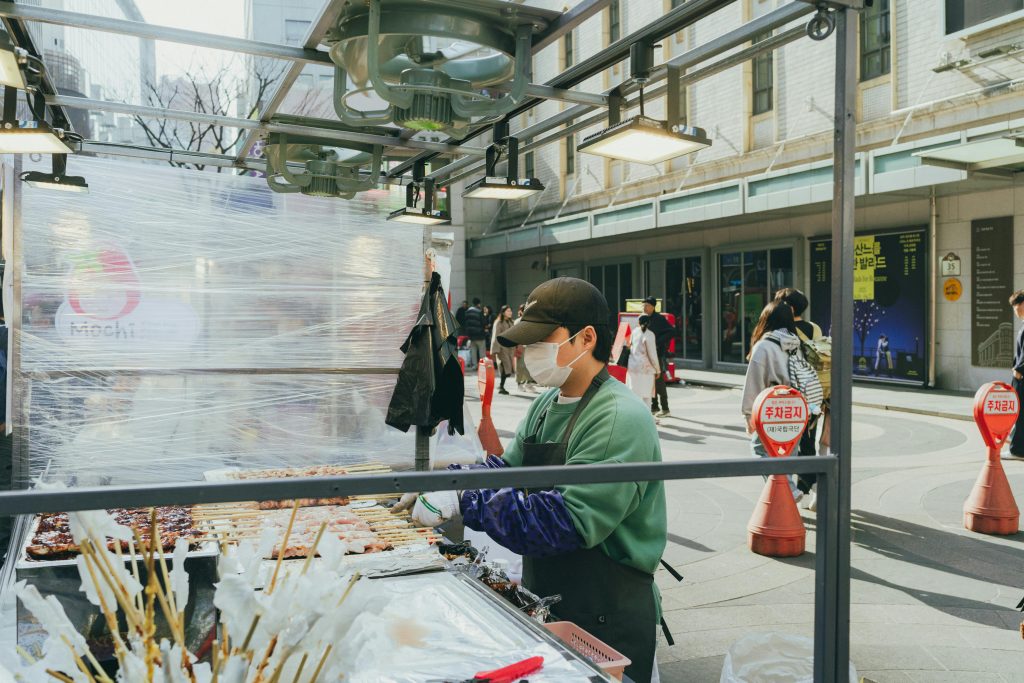
Location: Seoul, Busan, and major cities across South Korea
Street food is one of the highlights of any South Korea trip. Across the country, food stalls line busy streets and night markets, serving everything from spicy rice cakes to sweet pancakes and fried snacks. The energy of these food markets makes them a central part of Korean culture.
Seoul’s food scene comes alive in traditional markets such as Namdaemun Market, where travelers can sample street food while browsing clothing, souvenirs, and household goods.
Gwangjang Market is famous for classic street food and traditional dishes. Located in central Seoul, Gwangjang Market is one of the city’s oldest and most lively food markets, known for its open seating areas and long rows of food stalls serving bindaetteok, gimbap, and fresh noodles.
Many travelers make time to visit Gwangjang Market in the evening, when the atmosphere becomes especially energetic, and the scent of freshly cooked dishes fills the air. A stop at Gwangjang Market offers an authentic look at everyday Korean dining and remains a must-visit destination for anyone exploring Seoul’s food scene.
If you visit Busan, Jagalchi Fish Market offers a unique seafood experience, where visitors select fresh fish directly from vendors and watch it prepared on the spot. As the largest seafood market in South Korea, Jagalchi Fish Market is known for its lively atmosphere, many food stalls, and a wide variety of fresh catches brought in daily from the surrounding coastal waters.
Many travelers visit Jagalchi Fish Market in the evening, when food stalls stay open late, and the market becomes a vibrant place to enjoy local dishes, interact with vendors, and experience Busan’s coastal food culture firsthand.
Try Korean Fried Chicken and Night Eats
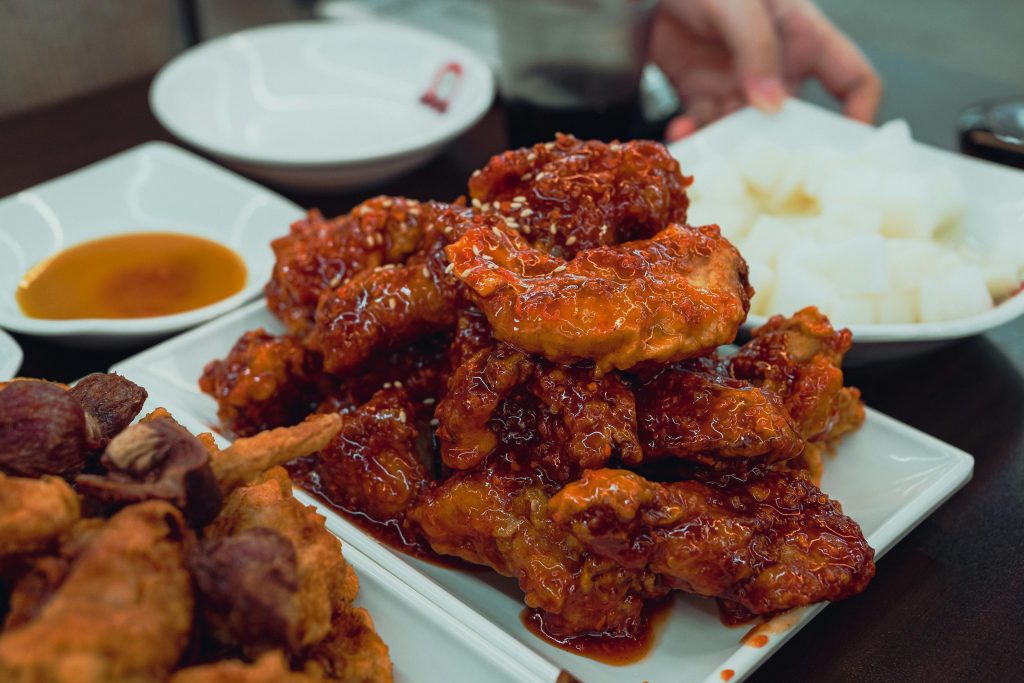
Location: Nationwide, especially Seoul and Busan
Korean fried chicken is considered one of the must-try foods when you visit South Korea. Known for its crisp texture and bold flavors, fried chicken is double-fried and coated in sauces ranging from soy garlic to spicy chili.
Across Seoul and Busan, fried chicken restaurants range from casual neighborhood joints to speakeasy-style craft beer bars. Locals often gather late into the night to enjoy fried chicken with beer, making it both a food experience and a social tradition deeply rooted in Korean culture.
Explore Coffee Shops and Unique Cafes
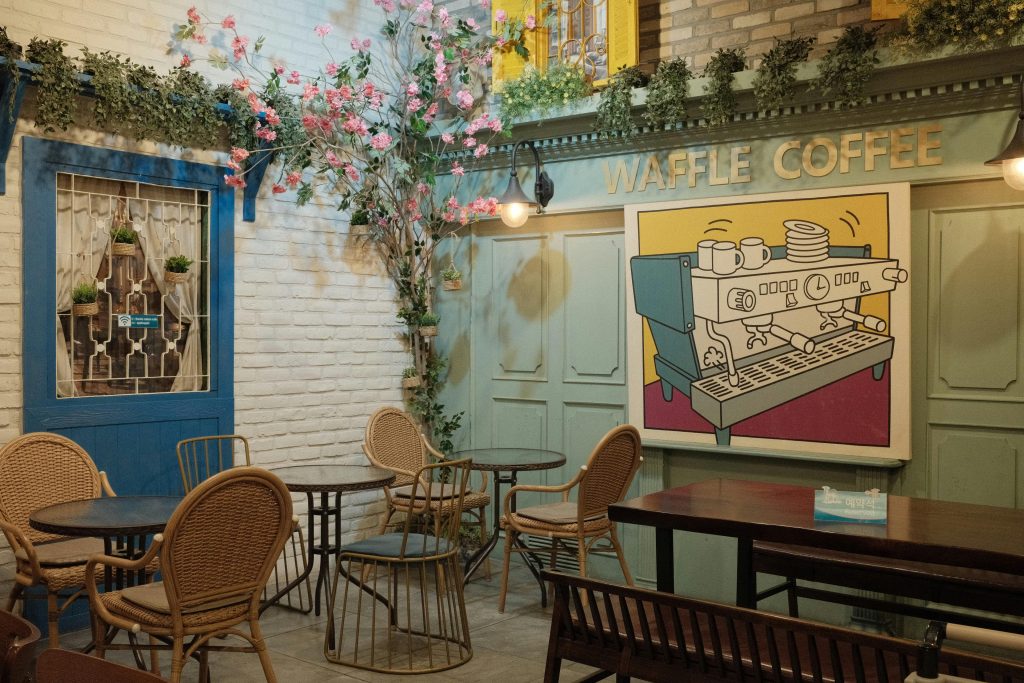
Location: Seoul neighborhoods such as Hongdae, Ikseon-dong, and Itaewon
South Korea has one of the most creative cafe scenes in the world. Coffee shops are not just places to drink coffee but carefully designed spaces that reflect art, storytelling, and lifestyle trends.
Visitors can find unique cafes inspired by films, books, or nature, including Studio Ghibli-inspired cafes and minimalist tea houses. Many travelers spend hours exploring different cafes, especially in neighborhoods known for creativity and youth culture, making cafe hopping one of the most relaxing things to do in Korea.
Discover Street Art and Mural Villages
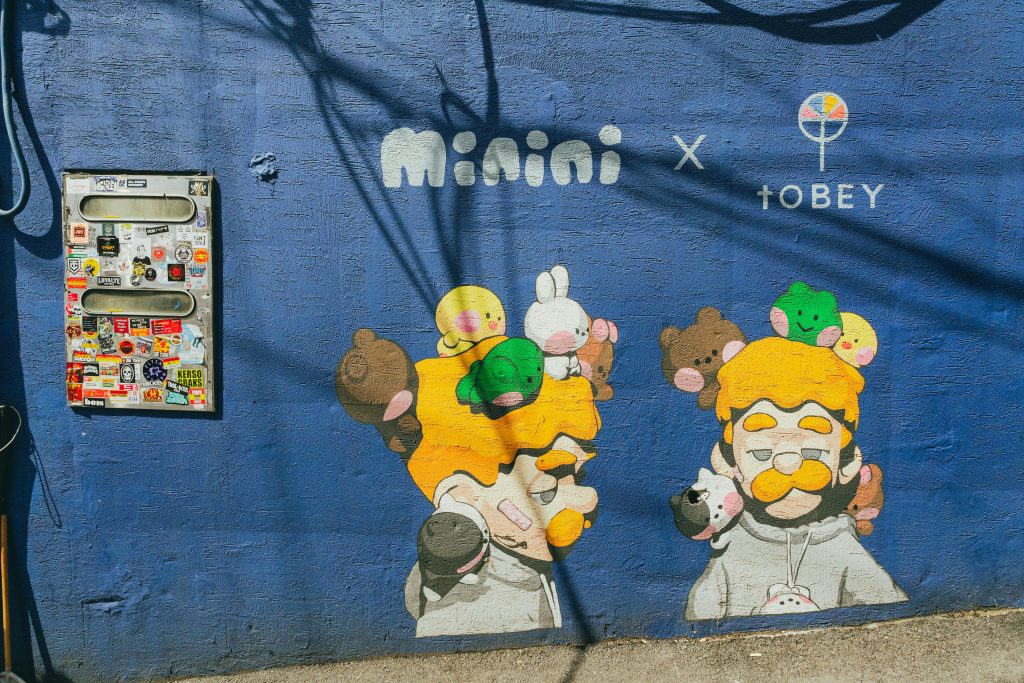
Location: Ihwa Mural Village (Seoul) and Gamcheon Culture Village (Busan)
Art has become an important part of modern Korean urban culture. Mural villages showcase colorful artwork, installations, and creative spaces built into residential neighborhoods, often transforming once-quiet residential areas into vibrant cultural attractions.
The murals in Ihwa Village sit on the slopes near central Seoul and offer a peaceful walk filled with art, small installations, and sweeping city views.
In Busan, Gamcheon Culture Village is one of the most photographed areas in the country, known for its pastel hillside homes, narrow stairways, and maze-like layout. A visit to Gamcheon Culture Village allows travelers to explore local art studios, small cafes, and scenic viewpoints, all connected by winding paths that reflect the neighborhood’s creative identity.
These areas can be explored in a few hours and are often included in guided tours.
Visit Lotte World Tower and Modern Seoul
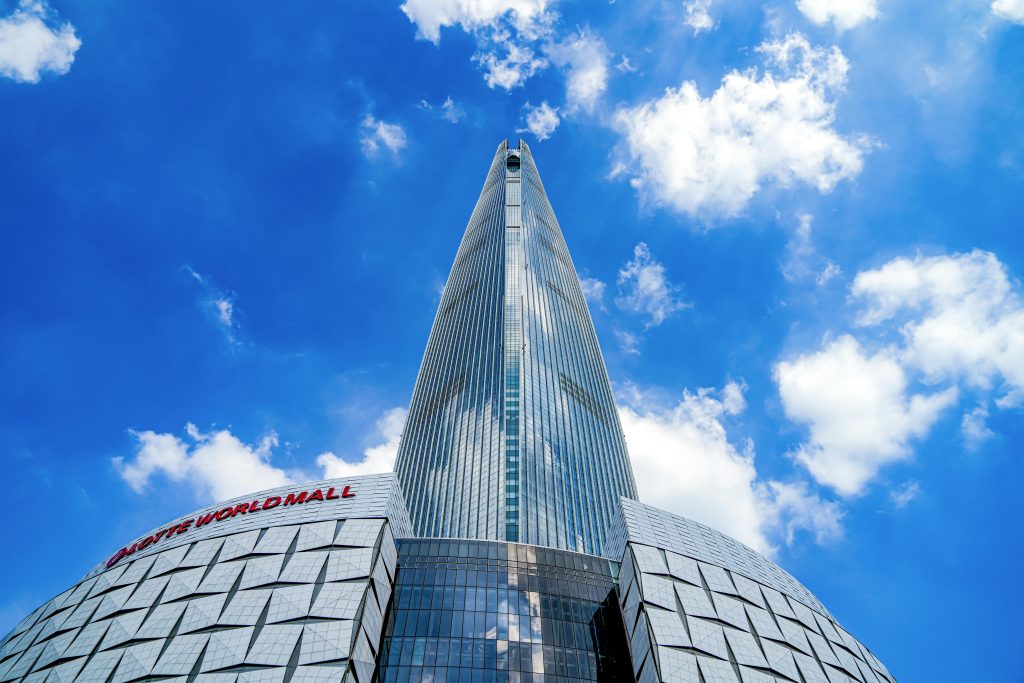
Location: Jamsil, Seoul
Lotte World Tower is one of the tallest buildings in the world and a symbol of modern Seoul. The tower features an observation deck that offers panoramic views over the Han River and the city skyline.
While Lotte World dominates Seoul’s skyline, many visitors also head to Seoul Tower (often called N Seoul Tower) for panoramic views over the Han River and the surrounding city.
After sightseeing, many travelers turn to retail therapy at nearby attractions like Starfield COEX Mall, which provides shopping, dining, and entertainment in a single space. This area highlights Seoul’s modern side and contrasts beautifully with nearby historical neighborhoods.
Take a Day Trip Beyond the City
Location: Near Seoul and Busan
South Korea’s compact size makes it perfect for a day trip. Beyond major attractions, travelers can explore other sites that highlight South Korea’s modern history, rural landscapes, and cultural traditions.
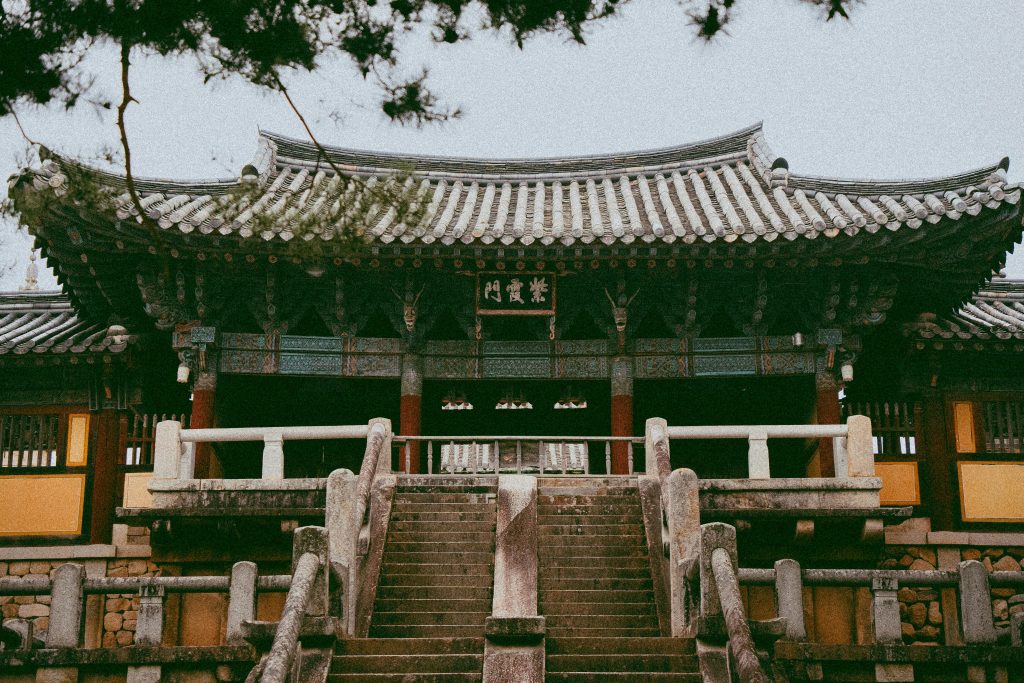
Popular options include a DMZ tour to the Freedom Bridge near the North Korea border, visits to Nami Island during cherry blossom season, and historical excursions to Suwon Fortress. One of the most important historical excursions is Bulguksa Temple in Gyeongju, a UNESCO World Heritage Site that represents the height of Korean Buddhist architecture.
For a deeper cultural experience, travelers can join a temple stay at Buddhist temples across the country, where visitors experience meditation, traditional meals, and quiet reflection rooted in Korean Buddhism. These stays in Buddhist temples offer insight into Korean Buddhism through meditation, shared meals, and quiet reflection.
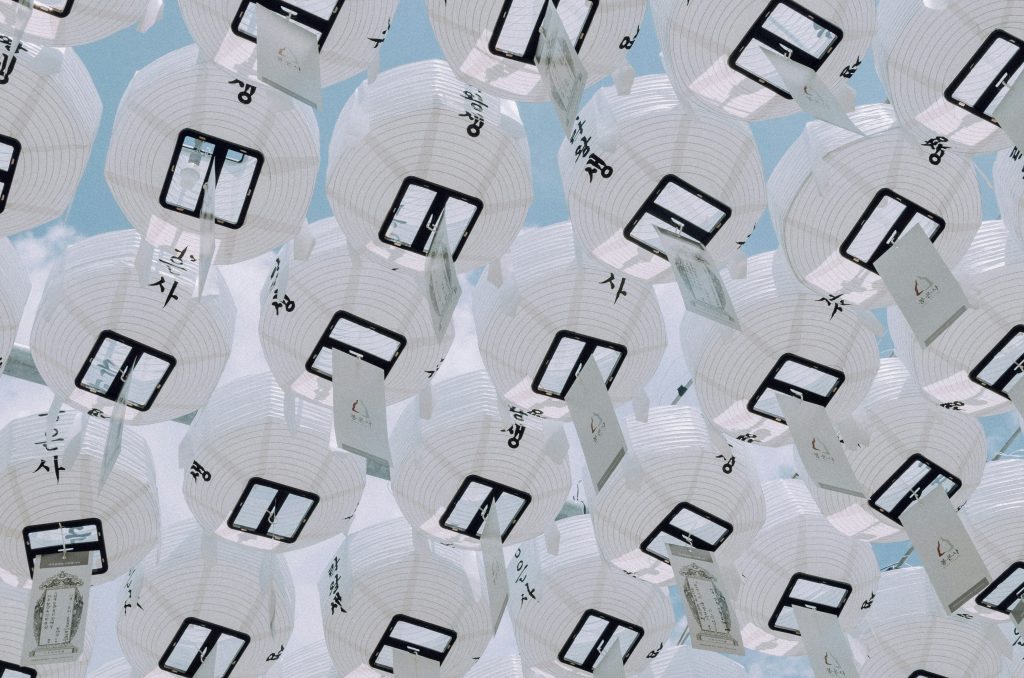
Travelers visiting during Buddha’s Birthday can experience special ceremonies, lantern displays, and cultural events at beautiful temples across the country.
Explore Jeju Island’s Natural Landscapes
Location: Jeju Island, Southern South Korea
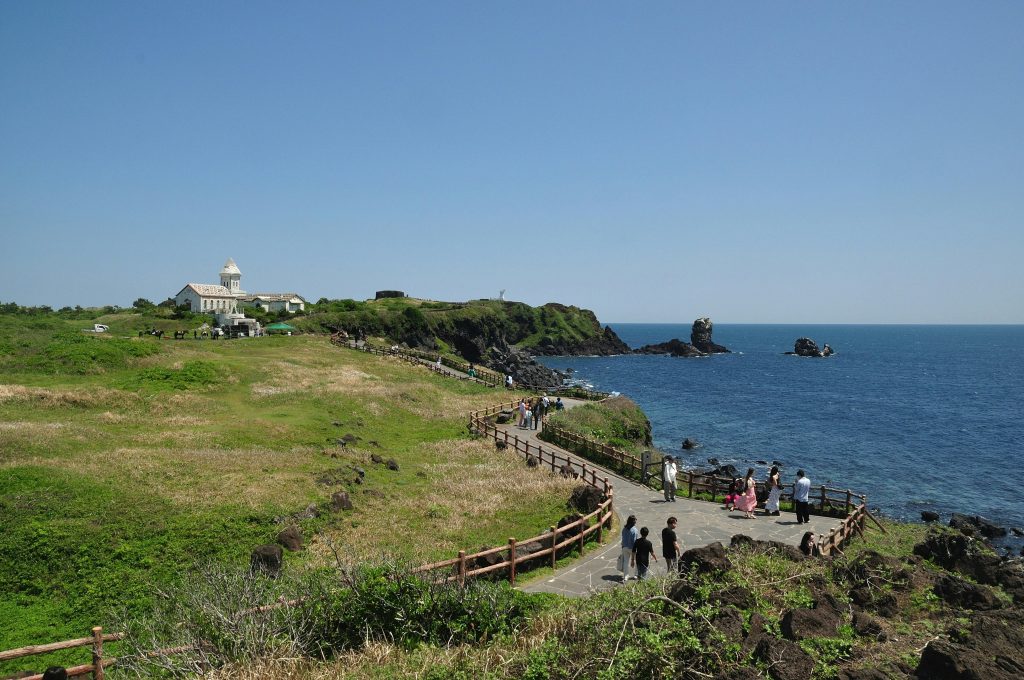
Jeju Island is one of the most scenic destinations in South Korea. Known for its volcanic landscapes, waterfalls, lava tubes, and coastal cliffs, Jeju offers a slower pace compared to major cities.
Many travelers choose to spend several hours or multiple days exploring Jeju Island, especially during preferred seasons such as spring and autumn. It is an ideal destination for hiking, nature photography, and coastal drives.
Celebrate Festivals and Seasonal Highlights: Lantern Festival, Cherry Blossoms, and More
Location: Nationwide
South Korea celebrates festivals throughout the year, offering visitors a chance to connect with local traditions. Highlights include Buddha’s Birthday lantern festival, spring cherry blossoms, and regional food and cultural festivals.
These events often take place near temples, rivers, and historic districts, combining natural beauty with cultural meaning and making them memorable experiences for travelers.
Getting Around: Transport Essentials
Public transportation is efficient and affordable. Travelers should purchase a T Money card for buses and subways. The Airport Railroad Express connects Incheon Airport to Seoul Station quickly and conveniently.
While Google Maps works, local apps often provide better navigation. Convenience stores are everywhere and serve as quick stops for snacks, drinks, and essentials.
Frequently Asked Questions about Visiting South Korea
Is 2000 USD a lot in Korea?
Yes. 2000 USD can comfortably cover accommodation, food, transport, and activities for one to two weeks, depending on travel style.
Where should I go for the first time in South Korea?
First-time travelers should focus on Seoul, Busan, and possibly Jeju Island. This game plan provides a balanced mix of history, food, nature, and modern attractions.
What are the best hotels in South Korea?
The best hotels in South Korea range from luxury skyscraper hotels to budget guesthouses. First-time visitors often stay near Seoul Station, Myeongdong, or Hongdae for convenience. Busan offers beachfront stays near Haeundae, while Jeju Island has resorts overlooking volcanic coastlines.