
Bingo occupies a unique position in Filipino culture, standing at the crossroads of entertainment, community life, and social responsibility. Far from being just a game of chance, bingo has evolved into a shared cultural experience that brings people together across generations, social classes, and regions.
From modest barangay halls to commercial bingo centers and online platforms, the game remains a familiar and trusted presence in everyday Filipino life.
Bingo in the Philippines as a Community Tradition
In many parts of the Philippines, bingo is closely associated with social gatherings. It is commonly played during fiestas, family reunions, town celebrations, and neighborhood events, where participation matters as much as winning.
These gatherings often attract a diverse group of players, including seniors, working adults, and younger participants who join family members for the experience.
Bingo creates an atmosphere of collective anticipation. Players listen closely as numbers are called, share reactions, and celebrate wins together. This communal element reinforces Filipino values such as pakikisama (social harmony), bayanihan (community cooperation), and togetherness, making bingo a social ritual rather than a solitary activity.
Bingo as a Fundraising and Charitable Tool
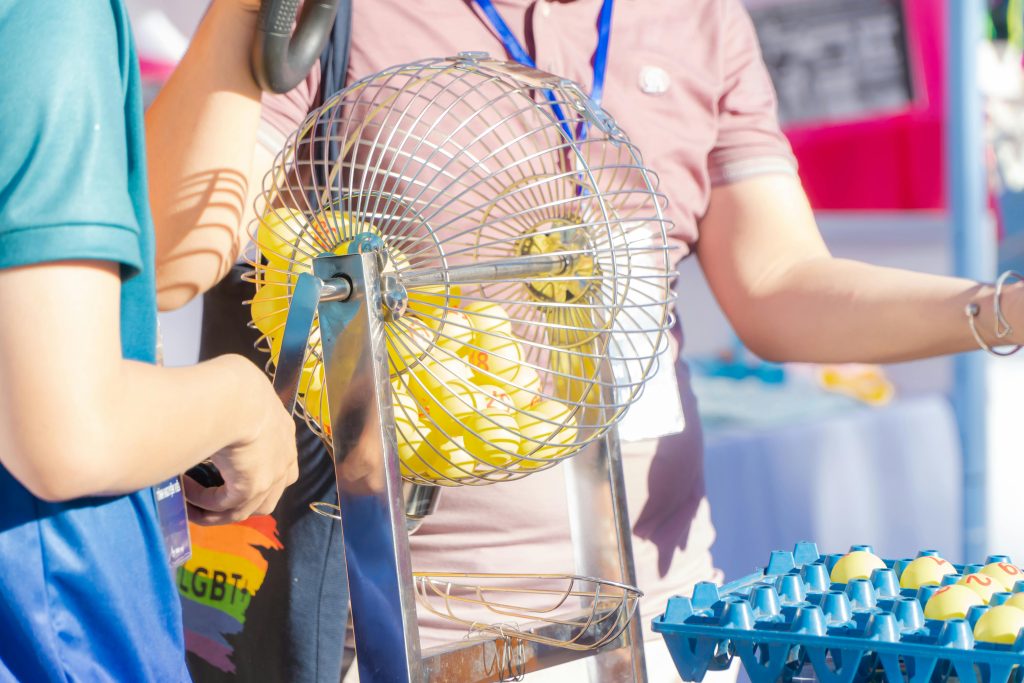
One of the most important cultural roles of bingo in the Philippines is its function as a fundraising mechanism. Churches, schools, cooperatives, and local organizations frequently organize bingo events to raise money for community projects and charitable causes. These may include disaster relief, medical assistance, educational support, or infrastructure improvements.
What makes bingo especially effective for fundraising is its accessibility. Entry costs are usually low, allowing broad participation while generating steady collective contributions. Players understand that their participation supports a shared goal, which adds meaning to the game beyond personal gain.
Commercial Bingo and Its Economic Impact
Over time, bingo has grown into a structured commercial industry in the Philippines. Large bingo halls now operate in major cities and shopping malls, offering organized sessions, professional management, and regulated gameplay. These venues attract regular players, particularly older adults, who view bingo as a recreational routine similar to dining out or attending social clubs.
The commercial bingo sector contributes to the local economy by creating jobs, supporting mall traffic, and generating government revenue through licensing and regulation. It also bridges traditional forms of gaming with modern entertainment environments, allowing bingo to remain competitive alongside other leisure activities.
Cultural Nostalgia and Generational Appeal
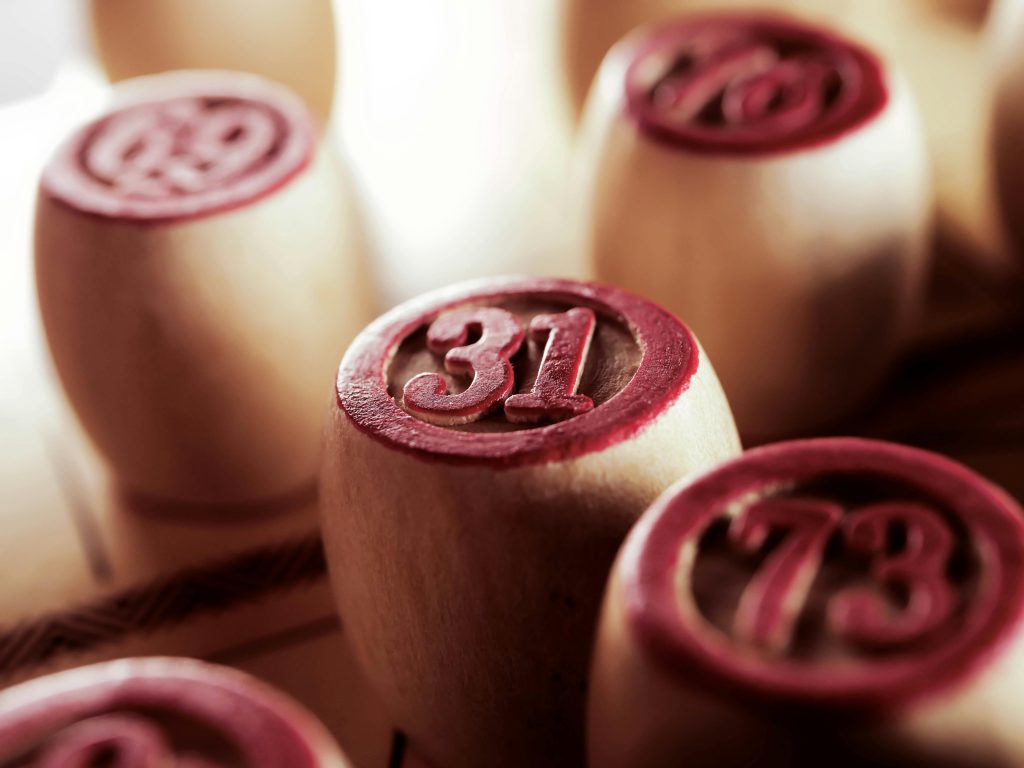
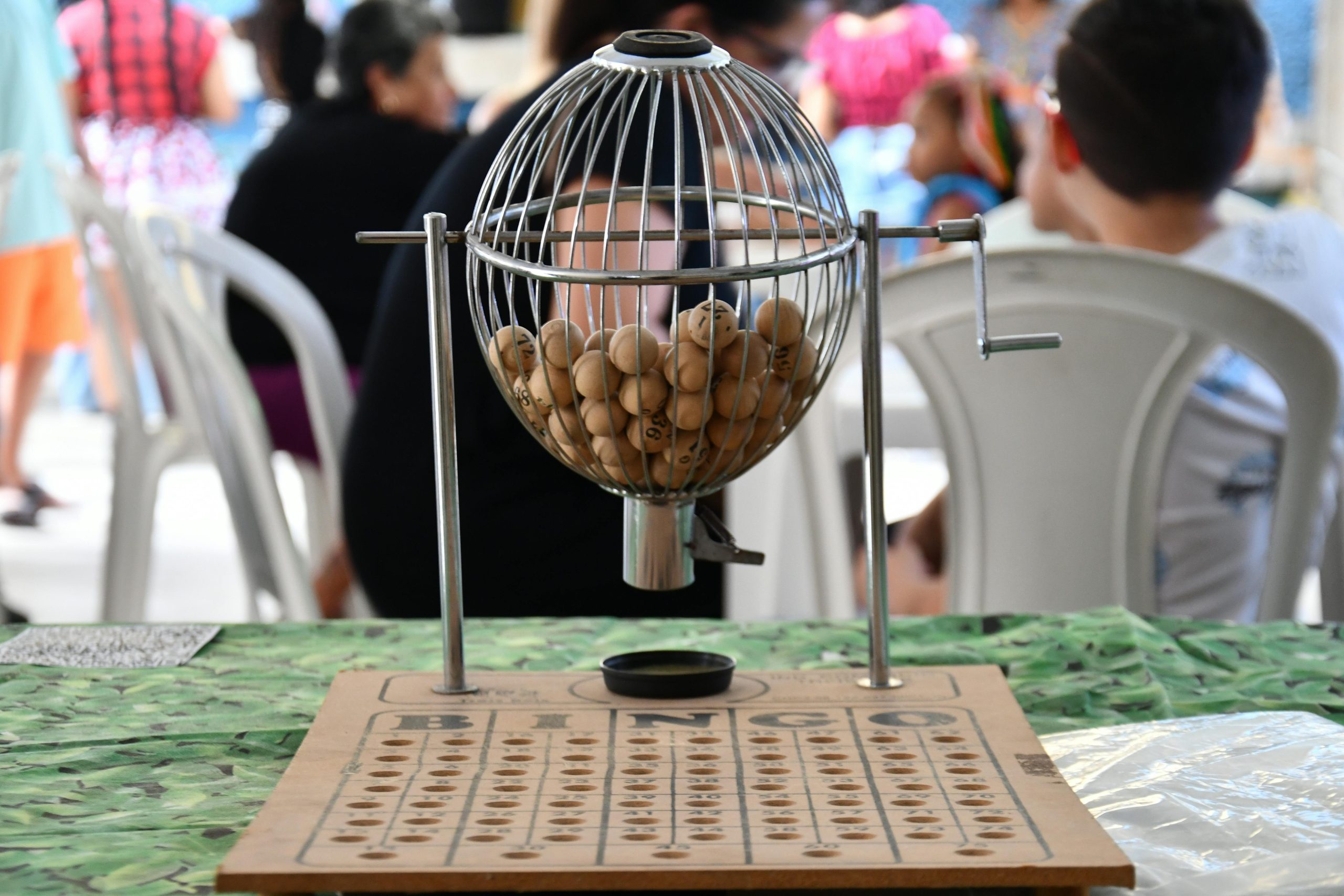
For many Filipinos, bingo carries strong nostalgic value. It is often associated with childhood memories of watching parents or grandparents play during community events or holidays. The familiar rhythm of number calling, the sound of markers on cards, and the excitement of near-wins evoke a sense of continuity and tradition.
This nostalgia helps explain why bingo continues to appeal to multiple generations. While older players value the familiarity and social aspect, younger players are introduced to bingo through family participation, ensuring the game’s cultural transmission over time.
The Role of Technology in Modern Bingo
Technology has reshaped how bingo is played in the Philippines without erasing its cultural foundations. Online bingo platforms and mobile applications now allow players to participate from home, offering convenience to those with busy schedules or limited mobility. These platforms often replicate the social aspects of traditional bingo through chat features, live hosts, and community-based promotions.
Digital bingo has also expanded the game’s reach to younger audiences who are more comfortable with online interaction. By adapting to modern habits while preserving familiar gameplay, bingo remains relevant in an increasingly digital society.
Regulation and Responsible Gaming in the Philippines
Bingo operations in the Philippines are regulated to ensure fair play and consumer protection. The Philippine Amusement and Gaming Corporation (PAGCOR) oversees licensing and compliance for commercial bingo operators, setting standards for transparency and accountability.
Responsible gaming initiatives are also promoted to encourage healthy participation. These measures help ensure that bingo remains a form of entertainment rather than a source of financial or social harm, reinforcing its role as a positive community activity.
Conclusion
Bingo in the Philippines is far more than a simple numbers game. It is a cultural institution that reflects Filipino values of community, generosity, and shared enjoyment. Whether used as a fundraising tool, a social gathering, or a modern digital pastime, bingo continues to connect people and support meaningful causes. Its enduring popularity lies not just in the chance to win, but in the sense of belonging and tradition it fosters across Filipino society.