The Philippines has positioned itself as a premier gaming and entertainment destination in Asia, with casinos playing a significant role in driving tourism. These establishments attract international visitors, generate employment, and contribute substantially to the country’s economy. With integrated resorts, world-class gaming facilities, and vibrant nightlife, casinos have transformed the nation’s tourism landscape.
Impact of Casinos in the Philippines’ Tourism Growth
Attracting High-Spending Tourists
Casinos attract affluent tourists from neighboring countries, including China, South Korea, and Japan, who seek premium gaming experiences. Many high-rollers travel exclusively for casino tourism and spend on luxury accommodations, fine dining, and entertainment.
Integrated Resorts as Tourism Hubs
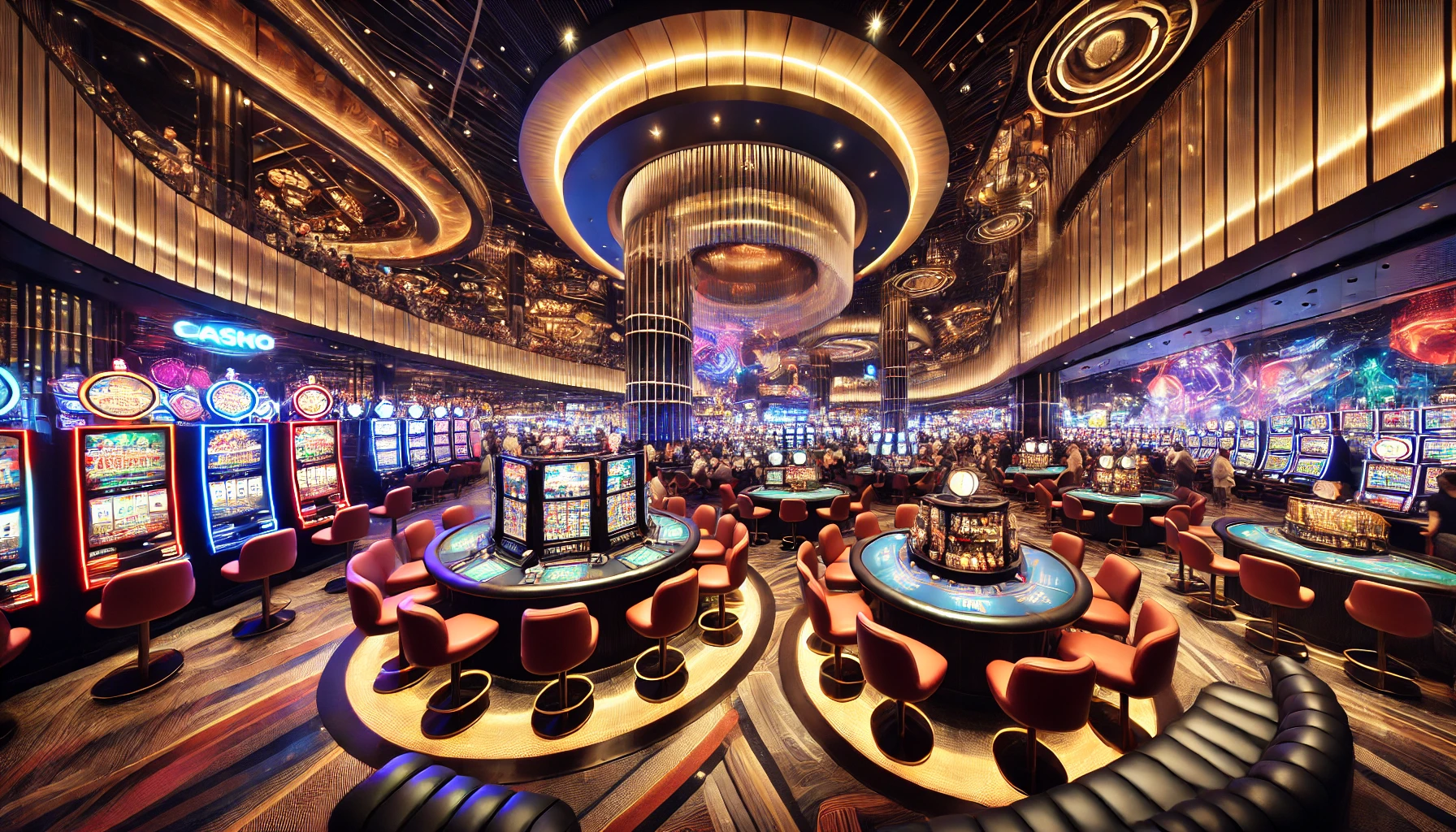
The rise of integrated resorts like City of Dreams, Solaire Resort & Casino, and Okada Manila has redefined the casino industry in the Philippines. These resorts offer more than just gambling—they feature luxury hotels, shopping malls, theaters, and world-class dining options, making them attractive to gamers and non-gamers alike.
Boosting Local and International Events
Casinos and integrated resorts host international gaming tournaments, concerts, and conventions, attracting visitors from all over the world. These events help promote the Philippines as a global tourism hub, increasing visitor foot traffic to local businesses.
Economic Impact of Casinos in the Philippines
Employment and Business Growth
The casino industry provides thousands of direct and indirect jobs, from hotel staff and gaming personnel to restaurant employees and event organizers. Additionally, small businesses benefit from increased demand for services such as transportation, retail, and tourism-related activities.
Tax Revenue and Infrastructure Development
The Philippine Amusement and Gaming Corporation (PAGCOR) regulates the casino industry, generating billions in tax revenues. These funds are allocated to public infrastructure, education, and social welfare programs, enhancing the country’s development.
Real Estate and Urban Development
The presence of major casino resorts has transformed urban landscapes, leading to the development of commercial hubs and luxury residences. Manila’s Entertainment City is a prime example of how casinos contribute to modern infrastructure and business expansion.
Challenges and Responsible Gaming Initiatives
Gambling Addiction and Social Concerns
While casinos boost tourism, concerns about gambling addiction and financial risks exist. The government and casino operators implement responsible gaming initiatives, including self-exclusion programs and public awareness campaigns, to mitigate negative effects.
Competition from Regional Casino Markets
The Philippines faces competition from Macau, Singapore, and Cambodia, which also attract international gaming tourists. To stay competitive, the country continuously enhances its gaming and hospitality offerings.
Regulatory Compliance and Sustainability
Strict regulatory oversight ensures fair gaming practices and prevents illicit activities like money laundering. Sustainable tourism practices, such as eco-friendly resort operations and community engagement, further enhance the long-term benefits of casino tourism.
The Future of Casino Tourism in the Philippines

With ongoing investments in integrated resorts, improvements in infrastructure, and strategic marketing efforts, the Philippines is poised to strengthen its position as a top casino tourism destination. As the industry evolves, balancing growth with responsible gaming and sustainable development will be key to long-term success.