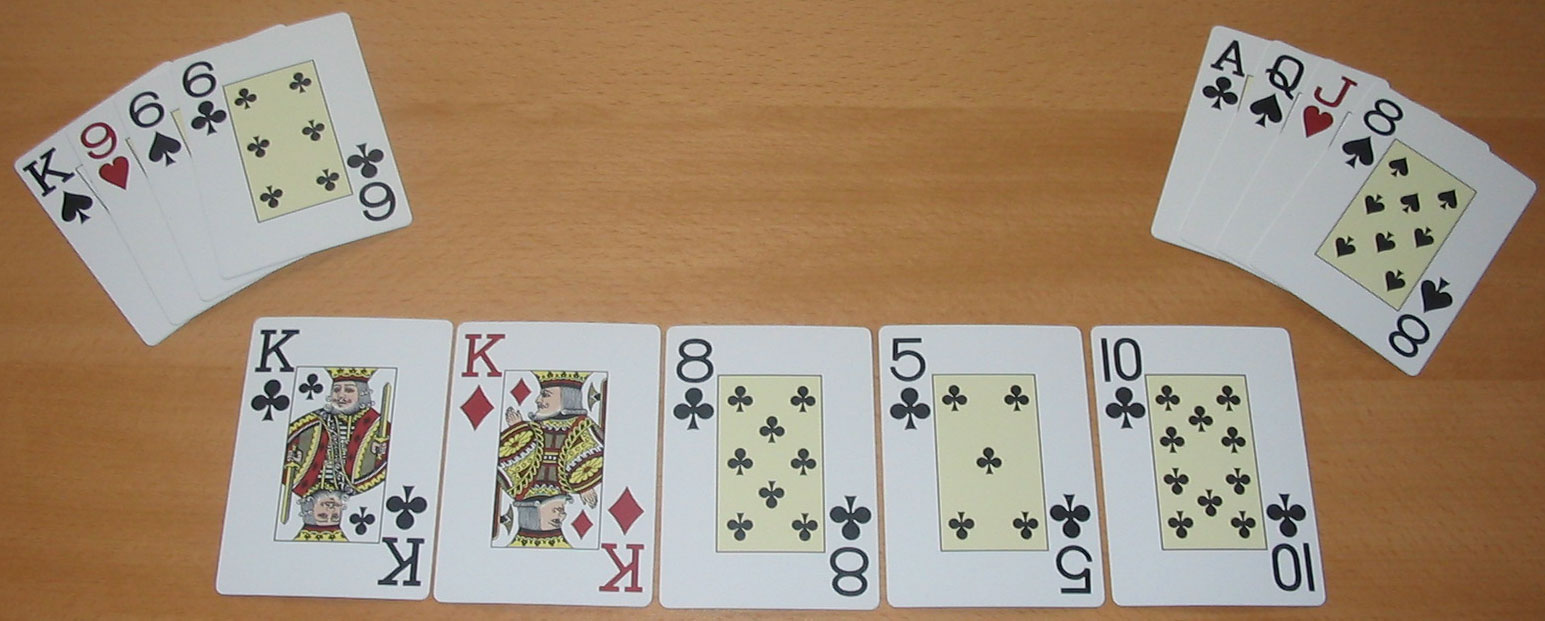

Omaha poker has rapidly grown in popularity, offering players a unique and thrilling experience compared to Texas Hold’em. The main appeal lies in the fact that each player is dealt four-hole cards, which opens up a broader range of Omaha hands and opportunities.
Mastering Omaha poker strategies is essential to improving your chances of winning significant pots and becoming a successful player at any Omaha game table.
In this article, we’ll discuss key Omaha poker strategies, starting hands, odds, and more, to help you thrive in this fast-paced poker game.
Basic Advice for Boosting Your Omaha Strategy
1. Understand Pot Limit Omaha (PLO) Poker
One of the most important variations of Omaha poker is Pot Limit Omaha (PLO), which offers different strategies than regular Omaha poker games. In Pot Limit Omaha, players can bet up to the size of the pot at any given time, making for larger pots and more significant potential winnings.
When you start playing PLO, you will realize the importance of the pot limit, as it greatly influences your betting decisions and overall game strategy. A good Omaha strategy in Pot Limit Omaha involves carefully managing the size of the pot, knowing when to bet aggressively, and when to back off to avoid risking too much with weaker hands.
2. Know the Importance of Starting Hands
Choosing the right starting hands is crucial in Omaha poker and can significantly impact your performance throughout the game. The best Omaha hands to start with typically involve combinations of high cards, especially suited and connected hands that can lead to straights and flushes.
A common mistake among Omaha poker players is playing too many hands. In contrast to Texas Hold’em, where you might get away with playing poor hands, Omaha demands more precision due to the increased number of hole cards and possible combinations.
Focus on strong hands like double-suited hands, which offer multiple ways to improve your hand.
3. Study Pot Odds and Betting Structure
Understanding odds is an essential part of any Omaha strategy. Odds help you assess whether it is worth calling a bet based on the potential of completing a drawing hand.
Odds are calculated by dividing the size of the current bet by the total size of the pot. This figure helps you decide whether the odds of completing your hand (such as a flush draw or straight) justify the call.
In Pot Limit Omaha, the betting structure allows for aggressive betting and makes understanding odds even more critical in calculating whether or not to stay in a hand.
4. Evaluate the Community Cards
In Omaha poker, these cards play a significant role in determining the strength of your hand. After the pre-flop, three cards are dealt, followed by the turn and river cards. With four-hole cards, the number of possible combinations and outcomes increases, making it important to stay alert and analyze these cards effectively.
Look for opportunities to create nut hands—the strongest possible hand given the cards on the table and your hole cards.
Often, Omaha players will find themselves in situations where they need to assess the nut flush or nut low, especially in Omaha Hi-Lo games, where both high and low hands are played simultaneously.
5. Explore Multi-Way Pots and Big Bets
The dynamics of Omaha poker often lead to a pot where several players remain in the hand until the river. This is particularly common in Pot Limit Omaha because of the larger pot amount per game and the aggressive nature of the betting structure.
In these pots, you’ll encounter more significant betting action, so it’s crucial to be cautious about weak draws and focus on playing hands that can win against several opponents. By knowing how to manage bets and the size of the pot, you’ll be able to leverage your strong hands and force poor hands to fold when necessary.
6. Know When to Play PLO vs Limit Omaha
Another important distinction in Omaha poker is the difference between Pot Limit Omaha and Limit Omaha. In Limit Omaha, the betting structure is fixed, meaning players can only raise a set amount per round.
While this may seem less exciting than PLO, Limit Omaha tends to lead to more strategic betting. It’s vital to understand how to use pot odds in these formats and be cautious about starting hands.
In contrast, PLO offers more freedom to make bigger bets, so players need to adopt a more aggressive Omaha strategy to capitalize on the pot size and win huge pot games.
Key Omaha Poker Tips for Beginners
Here are some poker tips when you play Omaha poker:
Don’t Overestimate the Value of Your Hole Cards
With four cards in play, your hand strength will often fluctuate as the community cards are dealt. Don’t assume you have the best hand based on four-hole cards—always evaluate these cards.
Be Cautious of Bigger Pots
It’s easy to get caught up in the excitement of playing against several opponents in a poker game, but always be wary of the hand combinations your opponents might hold. Don’t chase after weak draws just because you’re in a big pot game.
Avoid Playing Too Many Hands
One of the best poker tips is to follow moderate betting behavior. Unlike Texas Hold’em, where poker players can sometimes afford to get creative, Omaha players should focus on strong hands that offer multiple avenues for a winning hand.
Stick with hands that have the potential to form nut flushes or straights.
Know When to Fold
If the cards dealt don’t help you improve your hand, or if you’re facing significant bets, sometimes the best decision is to fold. Experienced players know when to cut their losses and avoid sinking more money into a losing hand.
Understanding Omaha Hi-Lo and the Role of Nut Low
In this variation, both the high hand and the low hand (known as nut low) share the pot, provided the low hand qualifies. The nut low is typically any hand with five high cards or lower, and it is essential to keep this in mind when evaluating your hand’s potential.
Unlike a regular Omaha poker game, where you focus on the high hand (such as a flush or straight), Omaha Hi-Lo requires you to keep track of both the high and low portions of the pot when you play.
Conclusion
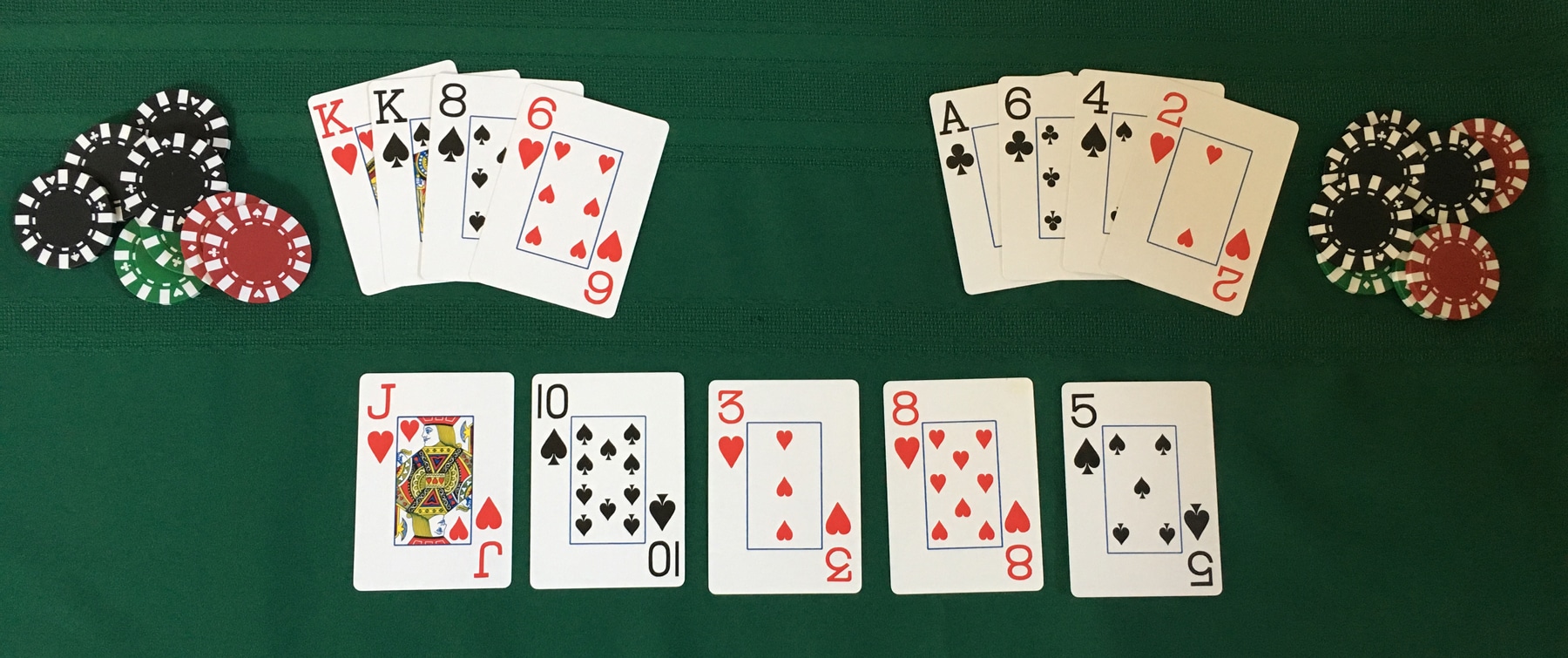
Mastering Omaha poker strategies requires a combination of strong Omaha hands, a good understanding of odds, and the ability to read the cards and adjust your strategy accordingly.
Whether you’re playing Pot Limit Omaha, Omaha Hi Lo, or just focusing on traditional Omaha poker, the poker tips to follow are to play your hand carefully, avoid common mistakes, and bet strategically to win big.
By mastering these key strategies and poker tips, you’ll be well on your way to dominating the tables and securing winning poker hands.
FAQs
What is the best starting hand in Omaha poker?
The best winning hand in Omaha poker is typically a double-suited hand with high cards, such as A♠ K♠ Q♦ J♦. This hand offers multiple ways to make strong hands, including straights, flushes, and even a potential nut hand.
In Pot Limit Omaha or PLO poker, it’s crucial to have cards that can win the entire pot, especially in more significant pot games. Players should avoid two pairs or lower, which often won’t hold up in a strong Omaha game.
What wins in Omaha poker?
In an Omaha poker game, the winning hand is typically determined by the best combination of four cards from your hand and the community cards. The strongest hands often involve nut hands like a flush or straight, but two aces can still be valuable if played strategically.
Unlike the Texas Hold’em game, where a five-card hand is formed, the Omaha game dynamics require careful selection of starting hands to maximize winning potential. Most poker players focus on playing strong combinations and carefully evaluating the final hand to win as much money as possible.
PLO poker adds the element of larger pots, which is crucial when players play aggressively to secure the entire pot. In tournaments like the World Series, knowing when to play and when to fold can make a huge difference in the number of pots you win.
How do you get good at Omaha poker?
To get good at Omaha poker, focus on poker tips like playing fewer hands and focusing on strong starting hands, such as two aces. Most Omaha players play aggressively but wisely, especially when managing their position at the big blind and small blind.
Learn how to read the board, evaluate odds, and avoid getting caught up in many pots with weak hands. By practicing strategic bets, you can improve your game and understand when to play aggressively and when to fold. Poker tips such as these are essential for consistent success in Omaha.
Is Omaha harder than Limit Hold’em?
Due to its key differences, Omaha can be more complex than Limit Hold’em. Unlike Hold’em, players are dealt four cards, which leads to more complex hand combinations and strategies. The increased number of hole cards in play means most players must be more selective with their starting hands for each game.
Poker players often need to evaluate more potential outcomes and game scenarios in Omaha than in Limit Hold’em, where the hand range is more predictable. In Omaha, you have to focus more on the game and carefully assess the poker odds for every decision.
For new players, it’s important to understand when it’s worth playing a hand and when to fold to avoid risking too much on poker bets. This is why most poker tips emphasize patience and knowing the difference in dynamics between these two popular games.