
Staying ahead of the curve is not just about offering the latest games or the most luxurious amenities; it’s about understanding your customers deeper than ever before.
With the advent of big data analytics and machine learning (ML), casinos now have the power to predict customer behaviors, optimize business efforts, and ultimately maximize their casino money.
This transformative approach to advertising harnesses vast amounts of data to produce highly effective, tailored choices and experiences for every type of player.
Let’s dive into how leveraging data analytics can revolutionize efforts within the casino and gaming industry.
How is data analytics used in the casino industry?
Customer Behavior and Preferences
Casinos collect and analyze data on how customers interact with games and services on the casino gambling floor wagered, and the length of play sessions. Understanding these patterns helps casinos tailor their offerings to match customer interests, improving the betting experience and increasing player satisfaction.
Predictive Analytics for Player Retention
By analyzing historical data, casinos can predict future customer behaviors, such as the likelihood of a customer returning or the potential lifetime value of a player. This allows for the development of targeted retention strategies, such as taking account of personalized loyalty offers, to keep players engaged and loyal to the casino.
Optimization of the Casino Floor
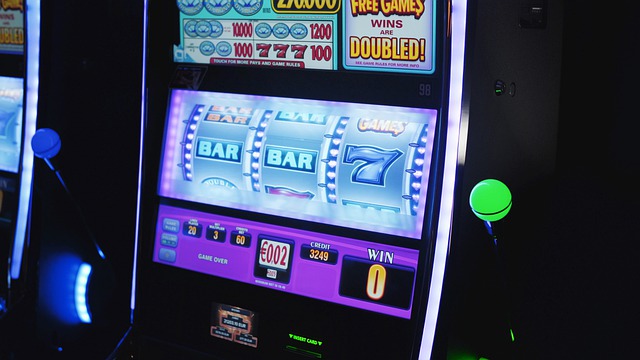
Analytics can inform the physical arrangement of tables and services on the gaming floor. By understanding player movements, casino operators can improve the placement of slot machines and table games to maximize player engagement and revenue. This includes deciding which offerings to feature prominently and how to rotate offerings to keep the floor fresh and engaging.
Marketing and Promotions
Big data analytics enables highly targeted campaigns. Casinos can segment their customer base into distinct groups based on behavior, choices, and value to the casino. This segmentation allows for the creation of tailored ads and offers more likely to resonate with each group, maximizing the impact of marketing dollars.
Risk Management and Security
Casinos use big data analytics to identify and mitigate risks, including fraud and cheating. By analyzing patterns of play and transactions, analytics can flag suspicious behavior for further investigation, enhancing the security of casino operations.
Financial Analysis and Reporting
Analytics gives casinos deep insights into financial performance, helping identify profitable areas and those requiring improvement. This can include analyzing revenue streams from different games, the effectiveness of campaigns in terms of ROI, and overall gaming trends affecting the casino’s bottom line.
Enhancing Customer Service
Through analyzing customer feedback and interaction data, casinos can identify areas for improvement in customer service. This could involve staff training, changes in operational procedures, or facility upgrades, all aimed at enhancing the overall customer experience.
ML for Personalization
Casinos can further refine their understanding of customer behaviors and player preferences using ML algorithms, enabling even more personalized and dynamic marketing strategies. ML can predict individual customer choices for games, offers, and promotions, creating a customized experience for each visitor.
What is predictive analytics for casinos?
Predictive analytics stands at the forefront of this revolution, offering previously unthinkable insights. By utilizing the player data database, casinos can forecast future behaviors, identify profitable customer demographics, and tailor marketing efforts to individual interests. Every dollar spent on marketing is optimized to yield the highest return, ensuring that resources are allocated efficiently. It ensures that the cost of ad spend on each player has the maximum results.
For example, through predictive analytics, a casino might discover that customers who enjoy certain offerings are more likely to respond to specific ads. This allows for developing highly targeted marketing campaigns that resonate with the intended audience and enhance customer retention and loyalty.
Embracing Gaming Analytics for Customer Insight
Gaming analytics go beyond traditional ad metrics, delving into the nuances of player behaviors on the betting floor. This in-depth analysis includes everything from game selection to spending habits, providing a comprehensive view of the user base.
For example, casinos can adjust their offerings to match their players’ evolving tastes and demands, ensuring the experience remains engaging and rewarding. It will also give them an idea of how to approach campaigns using player lifetime value data. With such analysis, they can earn more money.
Additionally, understanding these behavioral patterns enables the creation of more effective loyalty offerings, which are crucial for customer retention. By rewarding players in ways that are meaningful to them, casinos foster a sense of value and loyalty among their base, encouraging repeat visits and long-term engagement.
Optimizing with Big Data Analytics
Big data analytics are pivotal in transforming raw data into actionable insights. This process involves collecting vast amounts of information from various sources, including player data, transaction records, and social media interactions.
By employing advanced analytics and machine learning algorithms, casinos can sift through this big data to identify trends, preferences, and potential growth opportunities.
This deep understanding of user behavior allows casinos to create highly personalized marketing campaigns. Whether through customized email, personalized game recommendations, or targeted advertising, big data analytics ensures that every effort is as effective as possible.
Ads in the Gaming Industry
As technology advances, the potential for big data analytics in the casino and gaming industry is boundless. With each innovation, casinos gain more tools to understand their customers, predict market trends, and stay ahead of the competition. The future of casino marketing lies in the ability to not just react to the market but to anticipate changes and adapt strategies accordingly.
Incorporating gaming analytics and big data into business strategies offers a clear path toward increased profitability and success.
By prioritizing data-driven decision-making, casinos can enhance the customer experience, increase customer loyalty, and ensure a future where both the business and its patrons thrive.
Explore How to Use Data Analytics for Marketing
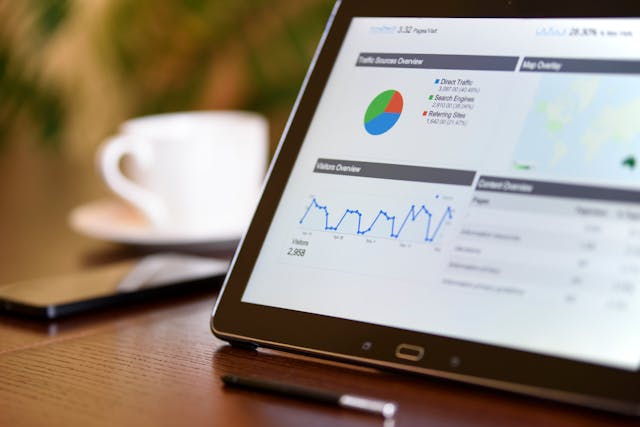
Using predictive, gaming, and big data analytics in the casino industry significantly shifts how marketing efforts are developed and implemented.
This data-driven approach allows a deeper understanding of user behaviors, enabling casino operators to develop more engaging and profitable experiences.
FAQs
How are casinos marketed?
Casinos employ targeted promotions to tailor offers to customer wants, enhancing the appeal of their services. Loyalty programs incentivize repeat visits by rewarding customer loyalty with various perks.
By hosting events and entertainment, casinos attract a broader audience, leveraging the allure of live entertainment. Digital ads through social media, email, and online ads reach potential customers directly. Partnerships with other businesses or sponsorships of events extend their market reach further.
For high rollers, VIP services offer exclusive experiences. Engaging with the local community through events and initiatives helps build a supportive local user base.
How do I create a marketing plan for my casino?
Start with comprehensive market research to understand your target demographic and the competitive landscape. Define clear, measurable objectives for what you wish to achieve with your efforts. Segment your audience to tailor campaigns more effectively.
Develop specific business campaigns for each segment, incorporating digital efforts, loyalty rewards, and exclusive events. Allocate your budget efficiently across these techniques, ensuring each dollar contributes to your goals.
Set up a detailed implementation timeline with milestones for launching and evaluating each initiative. Measure the impact of your business activities regularly and be prepared to adjust your strategies based on performance data to deliver results.