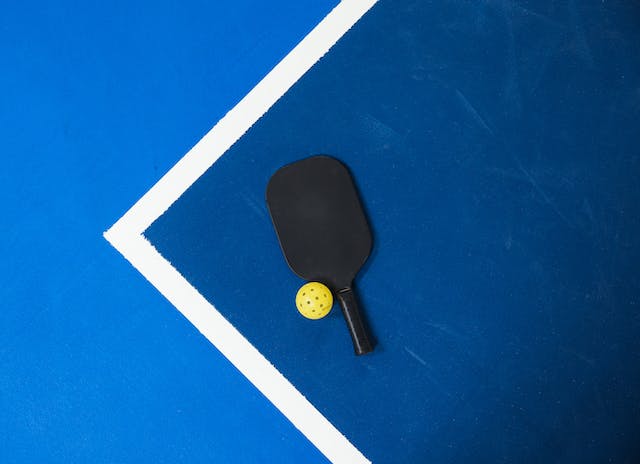

Pickleball, a unique paddle sport that combines elements of tennis, badminton, and ping pong, has experienced a remarkable increase in popularity in recent years. Originally invented in 1965 by three friends on Bainbridge Island, Washington, pickleball was initially a casual backyard game. However, its accessibility, engaging nature, and suitability for players of various ages and skill levels have contributed to its widespread adoption.
Pickleball’s adaptability for indoor and outdoor play further adds to its appeal. Many communities, schools, and recreational facilities have embraced pickleball by providing dedicated courts, increasing participation, and fostering community around the sport.
Welcome to the ultimate guide for beginners seeking to unravel the mysteries of pickleball terms. As the popularity of pickleball continues to soar, understanding these essential pickleball terms is paramount for players of all levels. Let’s embark on a journey to demystify the intricacies of pickleball language and equip ourselves with the knowledge to elevate our game.
The Importance of Understanding Pickleball Terms
Understanding pickleball terms is paramount for players of all levels as it is the foundation for effective communication, strategic gameplay, and an overall enriched playing experience. Like any sport, pickleball has its unique terminology set that conveys specific actions, rules, and strategies. Understanding these pickleball terms is key to navigating the game confidently.
Paddle-Related Terms
In the vibrant realm of pickleball, terms related to paddles are pivotal, significantly influencing a player’s style, comfort, and overall performance on the court. Understanding these pickleball terms is essential for players seeking to enhance their skills and prowess.
Grip Styles:
Enthusiasts of pickleball frequently delve into pickleball terms, specifically exploring diverse grip styles such as Eastern, Western, and Continental. These pickleball terms, related to grip styles, play a pivotal role in shaping how a player holds the paddle, influencing the angle of shots and the ease of maneuverability. Each grip style has its merits, prompting players to experiment and find the one that seamlessly complements their unique playing style.
Paddle Face:
The paddle face, comprising the hitting surface and sweet spot, is a focal point for players. The hitting surface, typically made of materials like graphite, composite, or wood, influences the power and control of shots. Locating the sweet spot, the area on the paddle with optimal responsiveness is crucial for consistent and effective play. Players often seek paddles with ample sweet spots for enhanced shot precision.
Paddle Weight and Materials:
The weight and material of a paddle are crucial pickleball terms that play a substantial role in determining a player’s comfort and playing preferences. Within pickleball terms, paddles are available in a spectrum of weights, spanning from light to heavy, influencing the balance and power of shots. Materials such as graphite introduce a lightweight yet durable option, whereas composite and wood paddles contribute different levels of touch and feel.
Selecting the ideal paddle weight and material combination becomes a personalized journey for players, aligning their choices with their unique playing styles and individual preferences in pickleball terms.
Court-Related Terms
Traversing the pickleball court demands a sharp comprehension of crucial court-related terms within pickleball terms, guiding player movements and strategic considerations.
Baseline, Sidelines, and Non-Volley Zone (Kitchen):
The baseline, the boundary at the end of each side, and the sidelines on either side demarcate the court. Within the court lies the non-volley zone, commonly called the kitchen. Players must exercise caution in the kitchen, as they are prohibited from volleying the ball (hitting it in the air) while standing inside this designated area. Understanding and respecting these boundaries is pivotal for strategic positioning during rallies.
Service Courts and Service Areas:
Within pickleball terms, the court undergoes additional segmentation into service courts, each assigned as the designated area for serving the ball. These pickleball terms define specific areas marked parallel to the sidelines, compelling players to execute diagonal serves to the opponent’s service court. The service area, a key element in pickleball terms, dictates the server’s position during serves, wielding a critical influence on the trajectory and placement of serves. As encapsulated by pickleball terms, a nuanced grasp of service court dynamics elevates a player’s proficiency in steering the game’s flow.
Centerline and Center Court:
The centerline runs perpendicular to the net, dividing the court into left and right sections. This line is vital in determining player positions during serves and rallies. Understanding center-court dynamics is essential for maintaining strategic positioning and coordinating movements with a partner in doubles play.
Scoring Terms
In the intricate tapestry of pickleball, scoring terms are the threads that weave the narrative of a match, influencing momentum and strategy.
Side Out:
A pivotal term in pickleball, a side-out occurs when the serving team fails to win a point or commits a fault, losing the serve to the opposing team. This service exchange is a crucial juncture in the game, often influencing a match’s overall flow and outcome.
Rally Scoring:
Pickleball employs rally scoring, a system where both the serving and receiving teams can score points. In other words, every rally contributes to the overall score, regardless of which team serves. This scoring method adds a layer of intensity to each point, keeping players engaged throughout the match.
Faults and Let Calls:
Faults represent errors or rule violations during play that result in losing a point. Common faults include stepping into a non-volley zone during a volley or swerving into the wrong service court. On the other hand, let calls refer to a situation where a point is replayed due to external interference or an unintentional hindrance. Players must recognize faults, let situations navigate the game effectively, and uphold fair play.
Game Strategies and Tactics
In pickleball’s dynamic and strategic realm, mastering various game strategies and tactics is essential for success on the court. Here are key terms that encapsulate nuanced approaches to gameplay:
Dinking:
Dinking is a finesse strategy employed close to the net, where players engage in soft and controlled shots, keeping the ball low and just clearing the net. This strategic dinking duel aims to maneuver opponents out of position and create opportunities for a well-placed winner. Successful dinking requires touch, precision, and patience, making it an indispensable tactic in offensive and defensive play.
Lobbing:
Lobbing is a tactical move where players loft the ball high and deep into the opponent’s court, forcing them to move back and creating an opportunity to reset the point. It’s a valuable offensive strategy to disrupt the rhythm of aggressive opponents or a defensive maneuver to regain advantageous court positioning. Executing a well-timed lob demands accuracy and awareness of the opponent’s position, making it an artful and strategic play.
Poaching:
Poaching is a strategic maneuver often observed in doubles play, where one player strategically crosses the centerline to intercept an opponent’s shot. The move aims to surprise opponents, disrupt their rhythm, and create openings for quick winners. Effective poaching requires anticipation, quick reflexes, and a keen understanding of the opponents’ tendencies, making it a dynamic and assertive strategy to gain the upper hand in doubles play.
Serve Types
Serving in pickleball is a nuanced art, and players often employ a variety of serve types to gain a strategic edge. Here are three distinctive serve types, each with its characteristics:
Underhand Serve:
The underhand serve is a fundamental and widely used technique in pickleball. Players must serve with an underhand motion, meaning the paddle must be swung upward from below the waist. This service is known for its simplicity, consistency, and ease of control. It is commonly employed to initiate points and maintain a steady rhythm during the game. The underhand serve is a starting point for many players, especially beginners, as they develop their serving skills.
Topspin Serve:
The topspin serve adds a layer of spin to the ball, enhancing its trajectory and bounce upon hitting the opponent’s court. Players impart a forward and upward motion on the ball to execute a topspin serve with a brushing contact. The resulting topspin causes the ball to dip quickly after crossing the net, making it challenging for opponents to return comfortably. Advanced players often incorporate topspin serves to add variety and unpredictability to their repertoire.
Slice Serve:
The slice serve involves imparting sidespin to the ball, creating a curving trajectory as it crosses the net. This strategic serve aims to move the ball away from the opponent’s comfort zone, making returns more challenging. By utilizing a slicing motion and contacting the ball on one side, players can control the direction and placement of the serve. The slice serve is a tactical choice, often employed to exploit an opponent’s weaknesses or create advantageous court positioning.
Common Shots
Mastering a variety of shots is crucial in the dynamic game of pickleball, offering players strategic options in different situations. Here are three standard shots used by players of varying skill levels:
Groundstroke:
The groundstroke in pickleball refers to shots played after the ball has bounced once. Typically executed from the baseline, players use groundstrokes to send the ball over the net and into the opponent’s court. These shots are often employed during longer rallies and allow players to control the pace of the game. Groundstrokes can be executed with topspin or slice, allowing players to add variety to their shots and keep opponents guessing.
Volley:
A volley is a shot where the pickleball player hits the ball to prevent it from bouncing on their side of the court. Volleys are frequently used near the net, emphasizing quick reflexes and precise control. Effective volleying allows players to seize control of the net, disrupting the opponent’s offensive plays and setting up opportunities for winners. Volleys require hand-eye coordination, agility, and well-timed paddle contact to keep the ball in play.
Smash:
The smash is a powerful overhead shot, executed when a player aggressively hits a high-bouncing ball with force, aiming to drive it into the opponent’s court with velocity and accuracy. Typically used in response to lobs or high defensive shots, the smash is an offensive weapon that can quickly end a point. A well-executed smash requires proper positioning, timing, and paddle control to generate maximum power and accuracy. Masters of the smash can dictate the game’s tempo and pressure their opponents.
Master Pickleball Terms and Win the Game
In conclusion, as you commence your pickleball journey with the enriched knowledge gleaned from our exploration of essential pickleball terms, you are well on your way to evolving into a confident and well-informed player. Remember, the pathway to mastery involves comprehending these pickleball terms and applying them skillfully on the court. So, proceed with precision in your dinks, finesse in your volleys, and confidence in your serves.
As you seamlessly integrate these pickleball terms into your gameplay, you’ll witness the transformation of the once cryptic code of pickleball language into your play’s vibrant and dynamic rhythm. Embrace this exciting journey, relish the game, and let unlocking the pickleball terms code be the harmonious soundtrack to your evolving pickleball adventure. I’ll see you on the court!