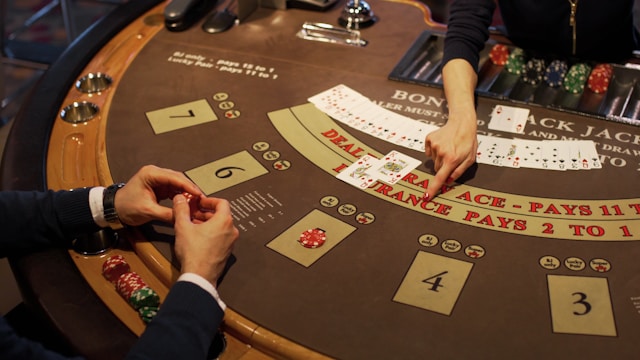


Within the dynamic gambling space, one may ask how the casino industry adapts to changing consumer demands. The casino industry has always been at the forefront of entertainment, blending elements of luxury, excitement, and the thrill of chance. However, the landscape of consumer demands has dramatically evolved over the years.
Modern-day gamblers are not just seeking the traditional experience. They want more—more convenience, technology, and personalized experiences. The ability of casinos to adapt to these changing consumer demands is not just a competitive advantage but a necessity for survival in a highly dynamic market.
Let’s find out how the casino industry adapts to changing consumer demands.
Impact of Changing Consumer Demands on the Casino Industry
Embracing Digital Transformation
One of the most significant shifts in the casino industry has been the rapid adoption of digital technologies. Online casinos have become a dominant force, allowing consumers to gamble from the comfort of their homes. The global pandemic has accelerated this trend, which forced many physical casinos to shut their doors temporarily. To cater to a digitally savvy audience, casinos have invested heavily in creating robust online platforms that offer a wide range of games, live dealer options, and secure payment methods.
Mobile gaming has also exploded, with a significant portion of casino revenue now coming from mobile apps. These apps provide a seamless experience, allowing users to play games, deposit funds, and even interact with other players from their smartphones. The integration of artificial intelligence (AI) and machine learning into these platforms has further enhanced the user experience by offering personalized game recommendations, targeted promotions, and real-time customer support.
Enhancing Customer Experience through Personalization
Today’s consumers expect more than just a one-size-fits-all experience. The casino industry has responded by leveraging data analytics to gain insights into customer preferences and behaviors. By analyzing this data, casinos can create personalized marketing campaigns, tailor loyalty programs, and offer customized gaming experiences that cater to each customer’s unique tastes.
Loyalty programs have also evolved to become more sophisticated. Instead of offering generic rewards, casinos now provide personalized incentives based on a player’s history, preferences, and spending patterns. This could include exclusive access to certain games, personalized bonuses, or invitations to special events. The aim is to build long-term relationships with customers by making them feel valued and understood.
Integrating Esports and Skill-Based Gaming
Another significant trend reshaping the casino industry is the integration of esports and skill-based gaming. As the younger generation becomes a more prominent consumer demographic, their preferences are driving changes in the types of games offered by casinos. Traditional games of chance, such as slot machines, are being complemented by skill-based games that provide a more interactive and competitive experience.
Esports, in particular, has gained a foothold in the casino industry. Many casinos now host esports tournaments, create dedicated arenas, and offer betting options on popular esports events. This attracts a younger audience and opens up new revenue streams for casinos. Skill-based gaming machines, which blend elements of traditional gambling with video game-like mechanics, are also becoming increasingly popular, catering to players who prefer a more active role in the outcome of the game.
Focusing on Responsible Gambling
As the industry evolves, responsible gambling is also increasingly emphasized. Consumers today are more conscious of the potential risks associated with gambling and are demanding greater transparency and support from casinos. In response, the industry has implemented a range of measures designed to promote responsible gambling practices.
Many casinos now offer tools that allow players to set limits on their spending and time spent gambling. Self-exclusion programs have also been introduced, enabling players to take a break from gambling if they feel it is becoming problematic. Additionally, casinos are working closely with regulatory bodies to ensure that their practices align with the highest standards of responsible gambling, including the protection of vulnerable individuals and the prevention of underage gambling.
Redefining the Physical Casino Experience
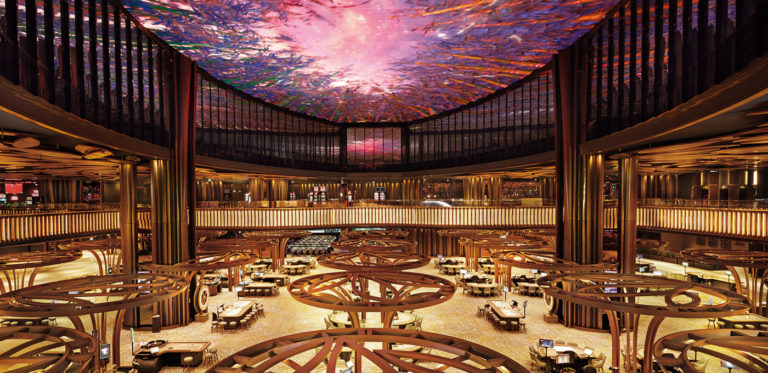
While online and mobile gaming continues to grow, physical casinos are not being left behind. The brick-and-mortar casino experience is being redefined to meet the changing expectations of consumers. Modern casinos are focusing on creating immersive environments that offer much more than just gambling.
Casinos are increasingly integrating elements of luxury hospitality, entertainment, and dining into their offerings. High-end restaurants, world-class entertainment shows, and spa facilities are now standard features in many casinos. This approach transforms the casino from a place to gamble into a comprehensive entertainment destination, appealing to a broader audience.
The design of physical casinos is also evolving to create more open and welcoming spaces. Traditional gaming floors are being redesigned to include social areas where players can relax, socialize, and enjoy non-gambling activities. This shift acknowledges that today’s consumers seek a holistic experience combining gaming with other leisure activities.
Conclusion
The casino industry’s ability to adapt to changing consumer demands has been key to its continued success. The industry has stayed relevant in a rapidly evolving market by embracing digital transformation, enhancing customer experiences through personalization, integrating esports and skill-based gaming, focusing on responsible gambling, and redefining the physical casino experience.
As consumer preferences continue to change, the industry’s willingness to innovate and evolve will determine its future trajectory, ensuring that it remains a vibrant and dynamic part of the entertainment landscape.