
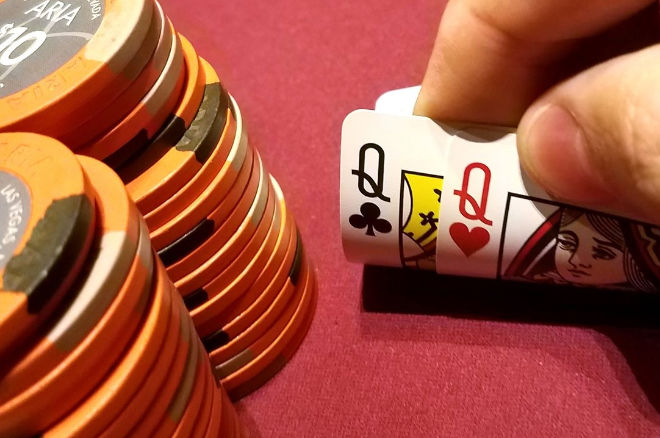

High-stakes gambling isn’t just about bigger bets—it’s about sharper risks, heightened pressure, and amplified consequences. For seasoned gamblers and newcomers alike, the thrill of wagering large sums can quickly turn into regret without proper discipline.
Whether you’re stepping into a high-roller room or joining a private game, understanding how to sidestep common pitfalls can help you maintain control, protect your bankroll, and play with purpose.
Best Practices to Avoid Pitfalls in High-Stakes Gambling
Know Your Bankroll—and Respect It
Discipline starts with your bankroll. High-stakes gambling requires more than just deep pockets—it demands a structured plan. Set a clear bankroll limit for each session, and never gamble money earmarked for living expenses, investments, or savings.
Break your bankroll into smaller units (e.g., 1% or 2% per hand or bet) to avoid losing everything in a few rounds. Many experienced gamblers treat their bankroll like a business investment: measured, protected, and never impulsively spent.
This mindset creates a buffer between you and emotionally charged decisions.
Avoid Chasing Losses
The temptation to win it back is one of the most dangerous instincts in high-stakes play. Chasing losses—doubling down after a bad run or making riskier bets to recover—can lead to catastrophic outcomes.
Emotional tilt, especially in high-pressure environments, skews your logic and magnifies poor decision-making. Instead, define loss limits ahead of time and stick to them. If you hit your stop-loss point, walk away.
Winning is about long-term discipline, not short-term desperation.
Don’t Let Ego Drive Your Game
High-stakes tables often attract competitive personalities, and ego can easily overshadow strategy. Avoid the trap of proving yourself by matching others’ bets or playing aggressively to assert dominance.
The smartest players are those who stay detached from their emotions and remain focused on expected value. Whether you’re winning or losing, stick to a strategy that makes mathematical sense.
Confidence should come from preparation—not bravado.
Learn the Games Inside and Out
A casual understanding of poker, blackjack, or baccarat won’t cut it in high-stakes settings. You’re often up against players who’ve spent years mastering probabilities, reading opponents, and managing odds.
Study advanced strategy, simulate high-pressure situations, and know every rule variation. In skill-based games like poker, understanding pot odds, bluffing frequencies, and table dynamics is essential.
In games of chance, understand house edge and volatility to guide smarter bet sizing.
Recognize the Role of Variance
Even the best strategies can’t eliminate variance. High-stakes gambling comes with swings—periods of intense wins and losses that are sometimes outside your control.
Accepting variance as part of the game helps you stay level-headed during both upswings and downswings. Don’t assume short-term outcomes reflect your long-term skill. Track performance over time, not based on isolated sessions.
This mindset protects you from overconfidence during wins and self-doubt during losses.
Stay Sober and Self-Aware
Alcohol and adrenaline don’t mix well with large wagers. Casinos often provide free drinks to high-rollers for a reason—it lowers inhibitions and impairs judgment.
Staying sober not only keeps your mind sharp but also helps you better read the table and manage your emotions. Equally important is emotional self-awareness: knowing when stress, fatigue, or external distractions are affecting your play.
Taking a break or ending a session early is a sign of control, not weakness.
Surround Yourself With Trusted People
High-stakes environments can be isolating, especially if everyone at the table is your competition. Whether you bring a trusted friend, a financial advisor, or a fellow player you respect, having someone who keeps you grounded is valuable.
These individuals can offer perspective, challenge reckless decisions, and even intervene when needed. A strong support system reinforces accountability, especially when the stakes are high and decisions carry real financial consequences.
Managing High-Stakes Gambling
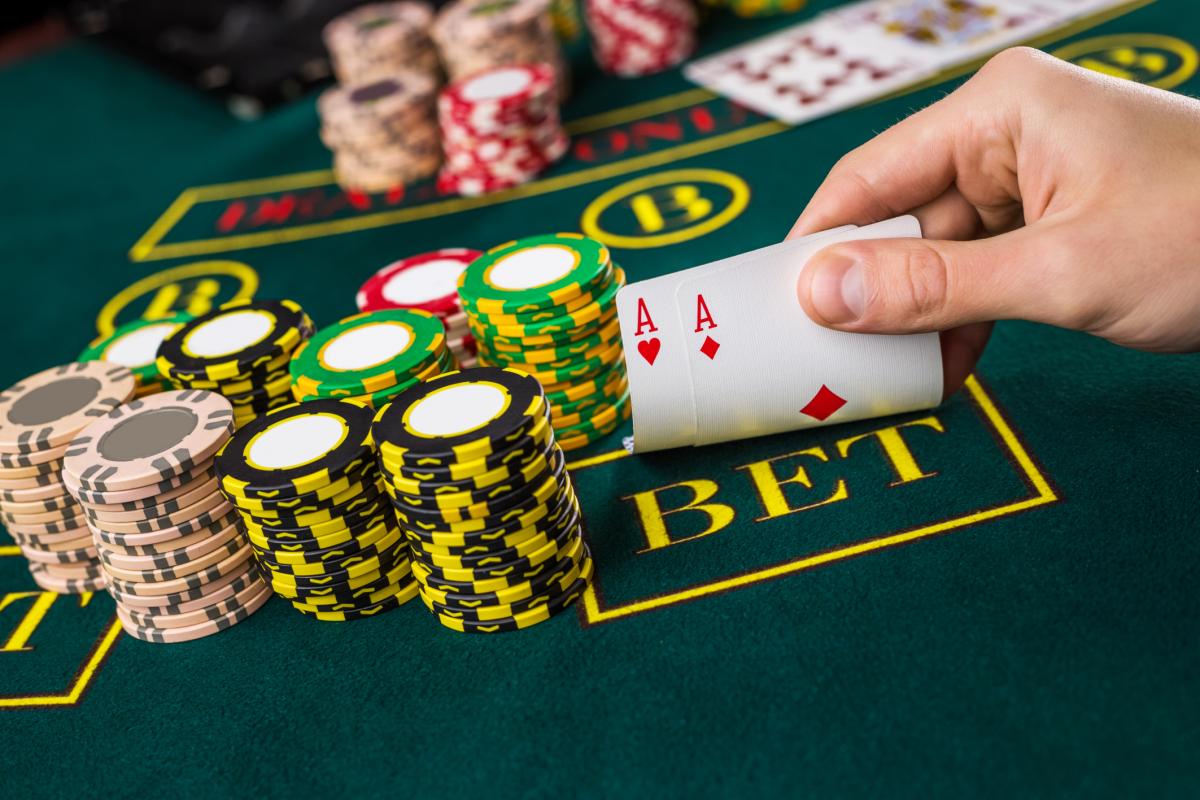
High-stakes gambling is as much about managing yourself as it is about mastering the game. Avoiding pitfalls doesn’t mean playing scared—it means playing smart. By respecting your bankroll, staying grounded, and relying on discipline over emotion, you give yourself a fighting chance to enjoy the thrill without falling into avoidable traps.
High-stakes games demand high-level thinking—make sure your strategy is as sharp as your ambition.