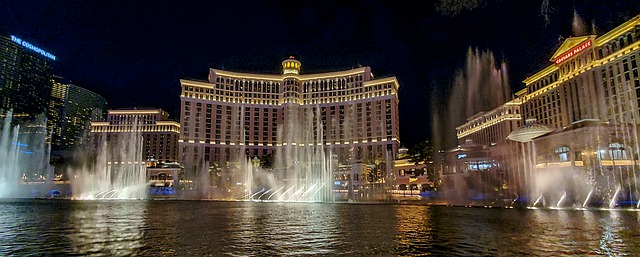
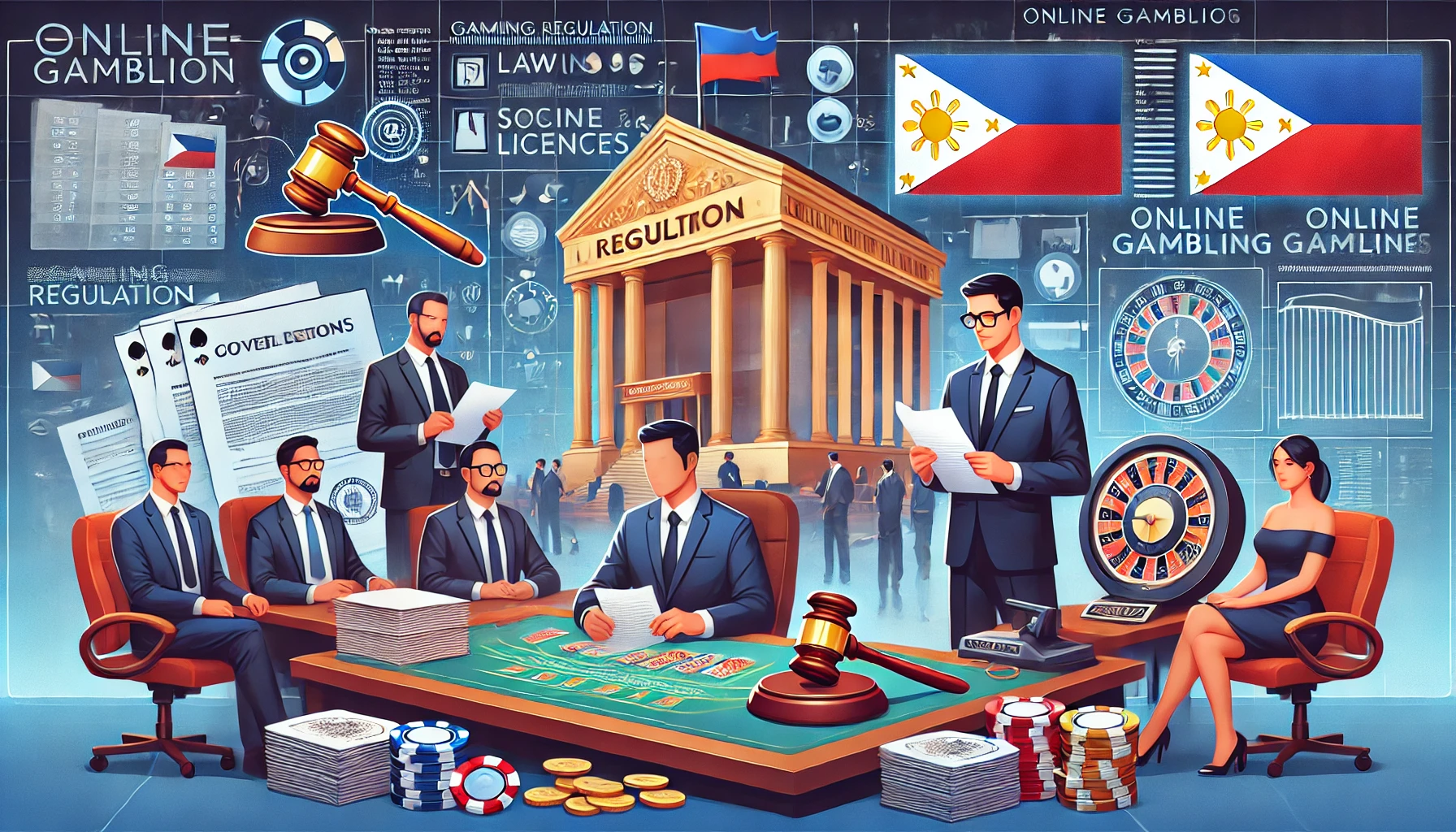
The Philippines has one of the most dynamic gambling industries in Asia, attracting both local and foreign investors. However, the regulatory landscape and gambling laws are intricate, with multiple governing bodies overseeing different aspects of gambling. Understanding these laws is crucial for operators, players, and investors to ensure compliance and avoid legal pitfalls.
Understanding the Philippines’ Complex Gambling Laws and Regulatory Framework
The Philippine gambling industry is regulated by two primary entities:
Philippine Amusement and Gaming Corporation (PAGCOR)
PAGCOR is the central authority for most gambling activities in the country. It regulates, licenses, and operates casinos while also ensuring responsible gaming. PAGCOR-managed casinos and authorized integrated resorts fall under its jurisdiction.
Cagayan Economic Zone Authority (CEZA)
CEZA governs offshore gaming operators (POGOs) that cater to international markets. While these operators cannot legally offer services to Filipinos, they must comply with CEZA’s regulations and secure appropriate licenses.
Other regulatory bodies include the Games and Amusements Board (GAB), which supervises betting on sports and cockfighting, and the Philippine Charity Sweepstakes Office (PCSO), which oversees lottery operations.
Types of Gambling Permitted in the Philippines
The Philippines allows multiple forms of gambling, each regulated under different laws:
Land-Based Casinos
Casinos operate under PAGCOR and are mostly found in designated gaming hubs like Entertainment City in Manila, Clark, and Cebu. Integrated resorts like Okada Manila and Solaire adhere to strict compliance standards, including taxation and operational guidelines.
Online Gambling (POGOs)
Philippine Offshore Gaming Operators (POGOs) cater to international markets. While their operations are legal under CEZA, recent crackdowns have led to stricter licensing requirements to address concerns about tax evasion and illicit activities.
Sports Betting
Licensed sportsbooks allow betting on local and international sports, overseen by PAGCOR and GAB. Major sports betting platforms must secure licenses and adhere to anti-money laundering (AML) regulations.
Sweepstakes and Lotteries
The PCSO regulates lottery games such as the Lotto and other sweepstakes. Revenues from these games fund government health and charity programs.
e-Sabong (Online Cockfighting)
Previously legal, e-Sabong was banned in 2022 due to concerns over criminal activities linked to online betting platforms. However, traditional cockfighting remains legal under GAB’s oversight.
Key Compliance Requirements for Gambling Operators
Secure Proper Licensing
All gambling operators must obtain valid licenses from the relevant governing bodies. PAGCOR and CEZA have distinct requirements, including proof of financial stability, background checks, and responsible gaming policies.
Follow Taxation Regulations
The Philippine government imposes various taxes on gambling revenues:
- PAGCOR imposes a 5% franchise tax on gross gaming revenues.
- POGOs must pay a 25% income tax on foreign employees, along with other regulatory fees.
- Local casinos are subject to corporate income tax and gaming levy contributions.
Adhere to Anti-Money Laundering (AML) Laws
Casinos and betting platforms must comply with the Anti-Money Laundering Act (AMLA) to prevent illicit financial transactions. They must report suspicious activities and maintain transparency in their financial dealings.
Ensure Responsible Gaming Measures
Regulatory bodies enforce responsible gaming policies, including:
- Self-exclusion programs for problem gamblers.
- Strict age restrictions (only individuals 21 years and older can gamble).
- Advertising limitations to prevent excessive gambling promotion.
Compliance with Data Privacy Laws
Online gaming operators must comply with the Data Privacy Act of 2012, ensuring the protection of players’ personal information from unauthorized access and cyber threats.
Legal Risks and Challenges in the Gambling Industry
Despite clear regulations, gambling operators in the Philippines face various legal and operational risks:
Changing Government Policies
The Philippine government frequently reviews and updates gambling regulations. Recent POGO crackdowns and tax hikes indicate shifting policies that may affect market stability.
Enforcement of Illegal Gambling Laws
Unlicensed gambling operators face hefty penalties and criminal charges. The National Bureau of Investigation (NBI) and the Philippine National Police (PNP) actively pursue illegal betting operations.
Increased Scrutiny of Offshore Gaming
Foreign-backed POGOs face stricter compliance checks, visa regulations for foreign workers, and tax audits. The government continues to evaluate the long-term feasibility of the offshore gaming sector.
Looking Ahead
The Philippine gambling industry is evolving, with potential changes on the horizon:
- Expansion of Integrated Resorts: More casino projects are planned in Cebu and Clark, boosting tourism and economic growth.
- Tighter POGO Regulations: Expect stricter licensing conditions and compliance monitoring to address concerns about illicit activities.
- Possible Revival of e-Sabong: Some lawmakers propose reinstating online cockfighting under a regulated framework to generate government revenues.
- Adoption of Digital Payment Systems: The shift towards cashless transactions in gambling facilities is expected to enhance transparency and efficiency.
Navigate the Philippines’ Complex Gambling Laws

Navigating the Philippines’ gambling laws requires a deep understanding of the regulatory framework, compliance obligations, and emerging industry trends. Whether you’re an investor, operator, or player, staying informed about evolving policies can help you avoid legal pitfalls and capitalize on opportunities in this lucrative market. Always ensure that your gaming activities adhere to the latest legal standards to operate smoothly and responsibly.