

Slot machines are among the most popular attractions on any gambling floor, drawing players with the promise of entertainment and the chance to win big. But seasoned gamblers know that not all slot machines are created equal—some are “loose,” meaning they pay more frequently and have a higher payout. So, how do you identify loose slot machines and increase your chances of walking away with more money?
What Are Loose Slot Machines?
Loose slot machines have a higher-than-average payout rate. In other words, they return more money to players over time compared to other machines. This doesn’t mean every spin leads to a win, but the odds are slightly more favorable. Loose slots typically have a higher RTP (Return to Player) percentage, which refers to the amount of money the machine generally pays back compared to the total wagers placed.
How to Know if a Slot Machine is Loose
Check the Payout Percentage
The RTP is the most reliable indicator of loose slots. Most casinos display the RTP near the machines or on their websites. An RTP, usually above 96%, suggests the machine is loose and worth trying.
Observe the Casino Floor
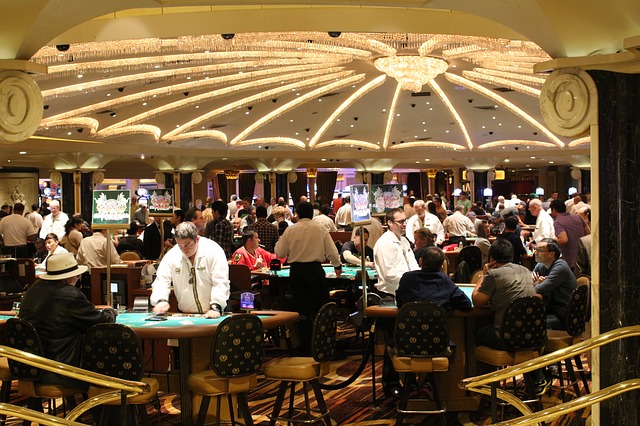
Casinos often place loose machines in high-traffic areas to attract players. For example, you’re more likely to spot loose slot machines near entrances, busy aisles, or around popular table games. The idea is simple: when other players see someone winning, they’re more likely to start playing.
Choose the Right Machine Type
Different machines offer different payout rates. Dollar machines usually have higher RTPs than penny machines. While you might spend more per spin, the potential for higher winnings is greater. Video poker machines also tend to have higher payout percentages than standard slots.
Pay Attention to Older Machines
Many theories suggest that older slot machines are more likely to be loose. Years ago, casinos relied on mechanical slots, and some of these machines, if still in use, might have more favorable payout rates compared to modern, high-tech games.
Look for Frequent Small Wins
Loose slots often deliver frequent small wins, keeping players engaged without draining their bankroll quickly. If one machine seems to pay out modest amounts consistently, it could be a sign that you’ve found a loose slot game. Say a machine you choose to play on comes with a 25-cent minimum but only has a one-dollar max; play with one dollar to see the best outcome.
Years ago, loose machines were exclusive to physical casinos. Nowadays, online casinos also offer high payout games, often listing payout rates on their platforms. Many online casino games, including video poker and progressive jackpot slots, provide clear RTP information, allowing you to spot loose slots without guesswork.
Just as you aim to find loose slot games, it’s equally important to avoid tight ones. These are slots with lower payout rates that tend to lose more money than they return. If a machine seems to drain your balance quickly without any notable wins, it’s likely a tight machine, and it’s wise to move on to another game.
How to Tell if a Slot Machine is Going to Hit?
While you can’t predict an exact win when playing slots, these indicators can help you find slot machines that are more likely to pay for each game:
High Return to Player
Look for machines with an RTP of 96% or higher. These slots generally pay more over time. Many online casinos list RTP percentages for their games, making it easier to find loose slot machines.
Frequent Small Wins
Loose slot machines often provide frequent small payouts. If a machine consistently returns small payouts, it might be warming up for a bigger win.
Casino Floor Placement
It’s an intentional decision for casinos where to place loose slots. You’re more likely to find them near high-traffic areas. For example, walkways, entrances, and popular table games. This encourages players to engage in more play when they see someone hit the jackpot.
Progressive Jackpot Build-Up
If a progressive jackpot has been accumulating for a long time without a winner, it might be closer to hitting. However, this is still random and not a guarantee.
Machine History (if available)
In some online casinos, you can see a game’s history, showing how often it pays out. While this doesn’t predict future outcomes, it can help you find slots that have been active.
What to Avoid
Just as you look for potential signs of a hit, it’s crucial to recognize when a machine might not be worth your time:
- Cold Streak: If a machine hasn’t paid out after many spins, it might be a tight slot. Move on rather than chasing losses.
- Low RTP: Avoid machines with an RTP below 90%. They pay less, reducing your chances of winning.
- High Volatility: High-volatility slots offer bigger pots but pay out less frequently. If your bankroll is limited, these machines can drain your funds quickly.
Is It Worth Chasing Loose Slot Machines?
While loose slot machines can increase your chances of winning, it’s important to remember that all slot games operate on a random number generator. This means no strategy guarantees consistent success. However, by choosing high-payout machines and being mindful of your bankroll, you can enjoy more playtime and better chances of hitting the jackpot.
FAQs
How to tell what slot machine will win?
There’s no guaranteed way to tell which slot machine will hit as you play, as each spin is determined by a Random Number Generator (RNG). However, choosing machines with a high payout percentage and RTP (Return to Player) can improve your chances.
Look for slots in high-traffic casino areas, as they’re more likely to be “loose” and play more frequently. Avoid chasing losses, as slot games remain random, unlike years ago when mechanical slots had slight predictability. Always approach gambling responsibly, treating wins as a bonus rather than an expectation.
How do you know when to walk away from a slot machine?
You should walk away from a slot machine when you’re consistently losing, your budget for gambling is depleted, or the game stops being enjoyable. Unlike years ago, modern machines use RNGs, meaning no amount of play changes the odds. Set limits beforehand and stick to them to avoid chasing losses.