
Card counting in blackjack has long been romanticized as a way for players to gain an edge over the casino. Popularized by movies like 21 and Rain Man, it seems like an alluring strategy for turning the tables. But is it really worth the risk? To answer that, it’s crucial to understand how card counting works, the advantages it offers, and the significant challenges it presents.
How Does Card Counting Work?
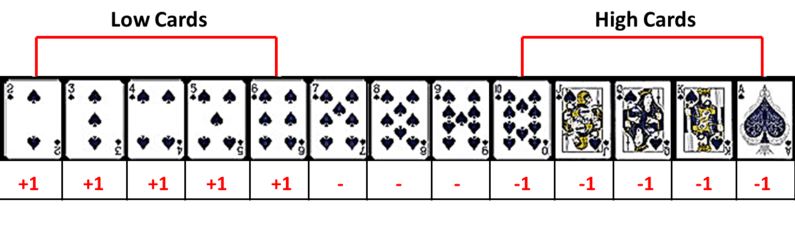
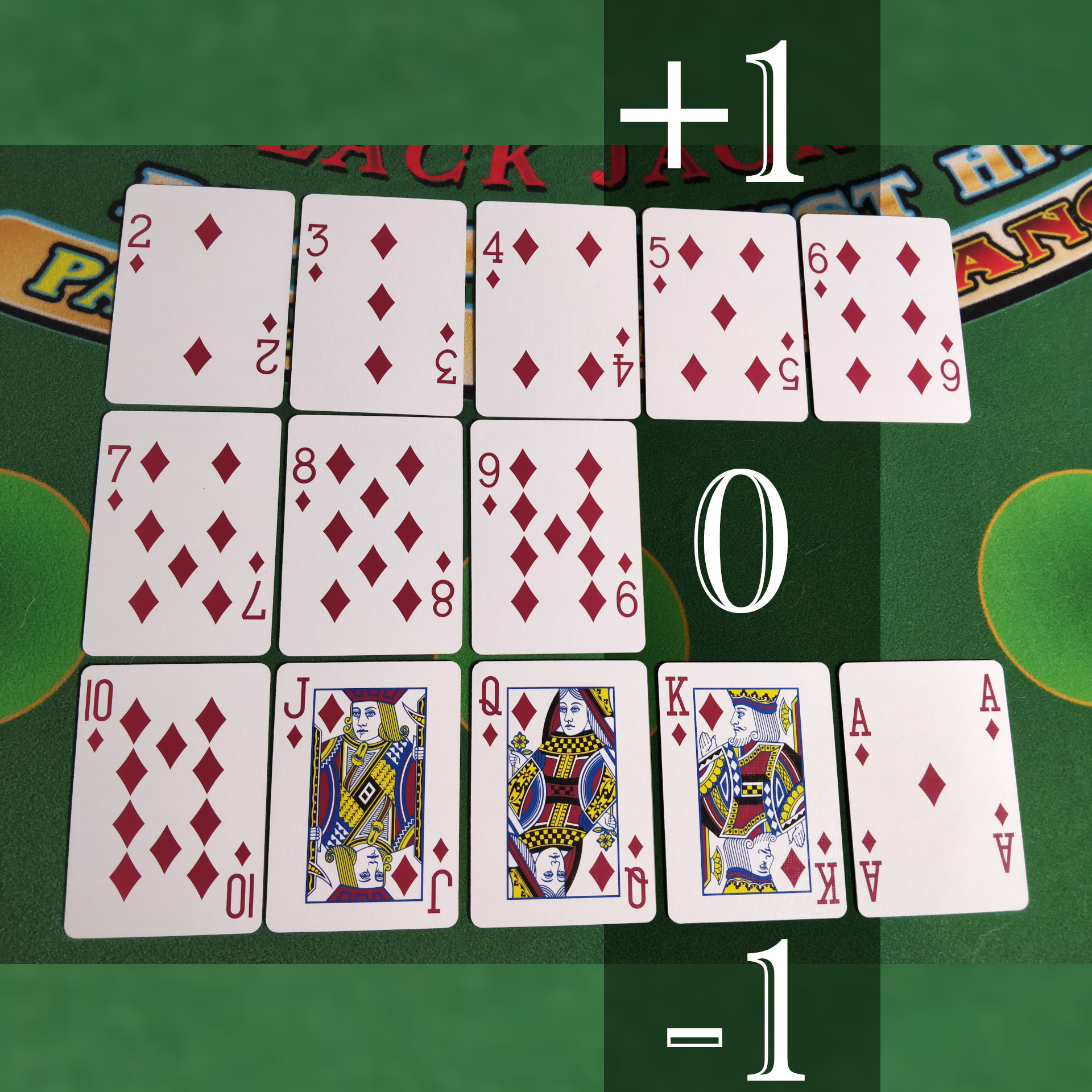
Card counting is a strategy used to track the ratio of high to low cards remaining in a deck. Blackjack favors the player when there are more high cards (10s, face cards, and aces) left to be dealt. Counters assign point values to cards and adjust their bets based on the count:
- Low cards (2–6): +1
- Neutral cards (7–9): 0
- High cards (10, J, Q, K, A): -1
As the count rises, the odds tilt slightly in favor of the player. This allows them to increase their bets when the deck is “hot” and decrease them when it’s “cold.”
Potential Rewards of Card Counting
Improved Odds
Card counting can shift the house edge from around 0.5% in favor of the casino to 1-2% in favor of the player. While this edge is modest, it can be profitable over the long run.
Informed Betting Strategy
Knowing when the deck is favorable allows players to increase their bets confidently, potentially leading to more significant wins during advantageous rounds.
Enhanced Game Understanding
Players who practice card counting often develop a deeper understanding of blackjack strategy, improving their overall gameplay and decision-making.
Risks and Challenges Involved
Casino Countermeasures
Casinos are well aware of card counting techniques and employ various tactics to prevent them, such as frequent deck shuffling, monitoring bet patterns, and using facial recognition technology. If suspected of counting, players can be asked to leave or even banned from the casino.
High Skill and Concentration Required
Card counting is not as simple as it seems. It demands intense focus, quick mental calculations, and the ability to mask betting patterns. Maintaining this level of concentration over extended periods can be mentally exhausting.
Limited Financial Gain
While the potential edge is real, it doesn’t guarantee large profits. A 1-2% advantage means earning around $10–$20 per $1,000 wagered. To make significant money, players need a substantial bankroll, considerable time investment, and the ability to weather natural losing streaks.
Emotional and Psychological Stress
The constant need to remain undetected while managing bets can lead to significant stress. Even experienced counters often find it challenging to balance composure and strategy.
Legal and Ethical Considerations of Card Counting in Blackjack
Card counting itself is not illegal, as it relies on mental calculations rather than external devices. However, casinos reserve the right to refuse service to anyone they suspect of advantage play. In some jurisdictions, using electronic devices or collaborating with other players for counting purposes can lead to legal repercussions.
Is It Worth the Risk?
For most casual players, card counting is not worth the risk. The skill, time commitment, and stress required often outweigh the modest potential gains. Professional gamblers with extensive experience, discipline, and significant bankrolls may find value in the strategy, but even they face constant challenges from vigilant casinos.
Ultimately, while card counting can tip the odds in a player’s favor, the combination of low returns, high effort, and the risk of being banned makes it a less appealing option for the average blackjack enthusiast.