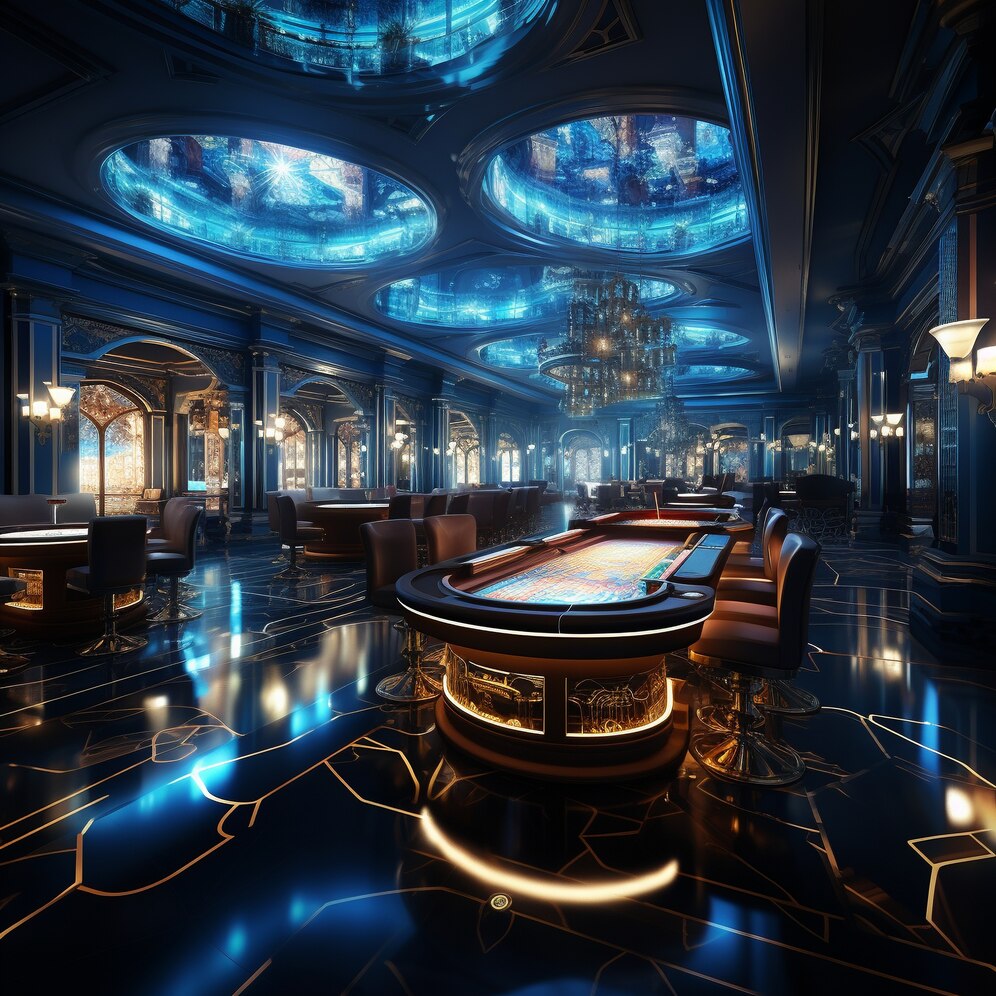

Soundscapes for casino environments play a crucial role in shaping the atmosphere within these hubs, directly influencing player behavior and enhancing the overall gaming experience. The right combination of sounds can evoke excitement, create a sense of urgency, and even encourage longer playtimes. As such, sound design in casinos is a sophisticated art that requires a deep understanding of auditory perception and its psychological effects on players.
Casinos are meticulously designed to stimulate all the senses, and sound is no exception. From the clinking of coins and the whirr of slot machines to ambient music and strategic silence, every auditory element is crafted to contribute to the immersive environment. Effective soundscapes can subtly guide player behavior, fostering a dynamic and engaging atmosphere that keeps patrons coming back.
The Process of Implementing Soundscapes in Casinos
Initial Planning and Conceptualization
The process of designing soundscapes for casinos begins with thorough planning and conceptualization. Sound designers collaborate closely with casino management and interior designers to understand the desired ambiance and the specific goals of the sound environment. This stage involves detailed discussions about the casino’s target audience, the type of games offered, and the overall theme of the establishment.
Once the objectives are clear, sound designers create an initial blueprint of the soundscape. This includes selecting the types of sounds that will be incorporated, such as background music, sound effects for games, and ambient noises. The goal is to create a cohesive auditory experience that aligns with the casino’s brand identity while enhancing the player experience. This blueprint serves as the foundation for the subsequent stages of sound design.
Selecting and Creating Sound Elements
Selecting the right sound elements is a critical step in the design process. Sound designers curate a library of sounds, choosing each element based on its potential to contribute to the desired atmosphere. This involves considering factors such as tempo, pitch, volume, and rhythm. For instance, fast-paced music may be used to energize the space, while softer, melodic tunes might create a more relaxed ambiance.
In addition to selecting existing sounds, designers often create custom sound effects tailored to specific games and activities within the casino. This could include the sound of a jackpot win, the shuffle of cards, or the spin of a roulette wheel. Creating these sounds involves both technical skill and creative intuition, ensuring that each effect is authentic and enhances players’ overall sensory experience.
Implementing and Testing the Soundscape
Implementation of the soundscape involves integrating the selected and created sound elements into the casino environment. This requires careful placement of speakers and sound systems to ensure optimal sound distribution throughout the space. Sound designers work closely with audio engineers to address technical challenges and achieve the desired auditory effects.
After implementation, extensive testing is conducted to fine-tune the soundscape. This phase involves real-world simulations where the impact of the sound design on player behavior and satisfaction is observed and analyzed. Adjustments are made based on feedback and observations to ensure that the soundscape effectively meets the initial goals. This iterative process is crucial for refining the sound environment and maximizing its positive impact on the casino experience.
Maintaining and Updating the Sound Environment
Maintaining a high-quality sound environment in a casino is an ongoing process. Regular monitoring and maintenance of audio equipment are essential to prevent technical issues and ensure consistent sound quality. Sound designers also stay attuned to changes in player preferences and emerging trends in sound design, allowing them to make necessary updates to keep the soundscape fresh and engaging.
Periodic updates to the soundscape can include introducing new sound effects, changing background music, or adjusting sound levels based on player feedback and behavioral studies. This dynamic approach ensures that the casino’s auditory environment remains effective and captivating, continually enhancing the overall player experience.
The Psychological Impact of Casino Soundscapes
The psychological impact of soundscapes in casinos cannot be overstated. Research has shown that sound can significantly influence mood, decision-making, and perception of time. In casinos, soundscapes are designed to create a stimulating environment that encourages players to stay longer and engage more deeply with the games. The strategic use of sound can enhance the excitement of wins, soften the blow of losses, and maintain a constant level of energy within the space.
Moreover, the right soundscape can create a sense of immersion, making players feel more connected to the gaming experience. By manipulating sound elements, casinos can subtly influence player emotions and behaviors, creating a more enjoyable and potentially more profitable environment. Understanding these psychological effects is key to designing effective casino soundscapes.
The Future of Soundscapes in Casino Environments
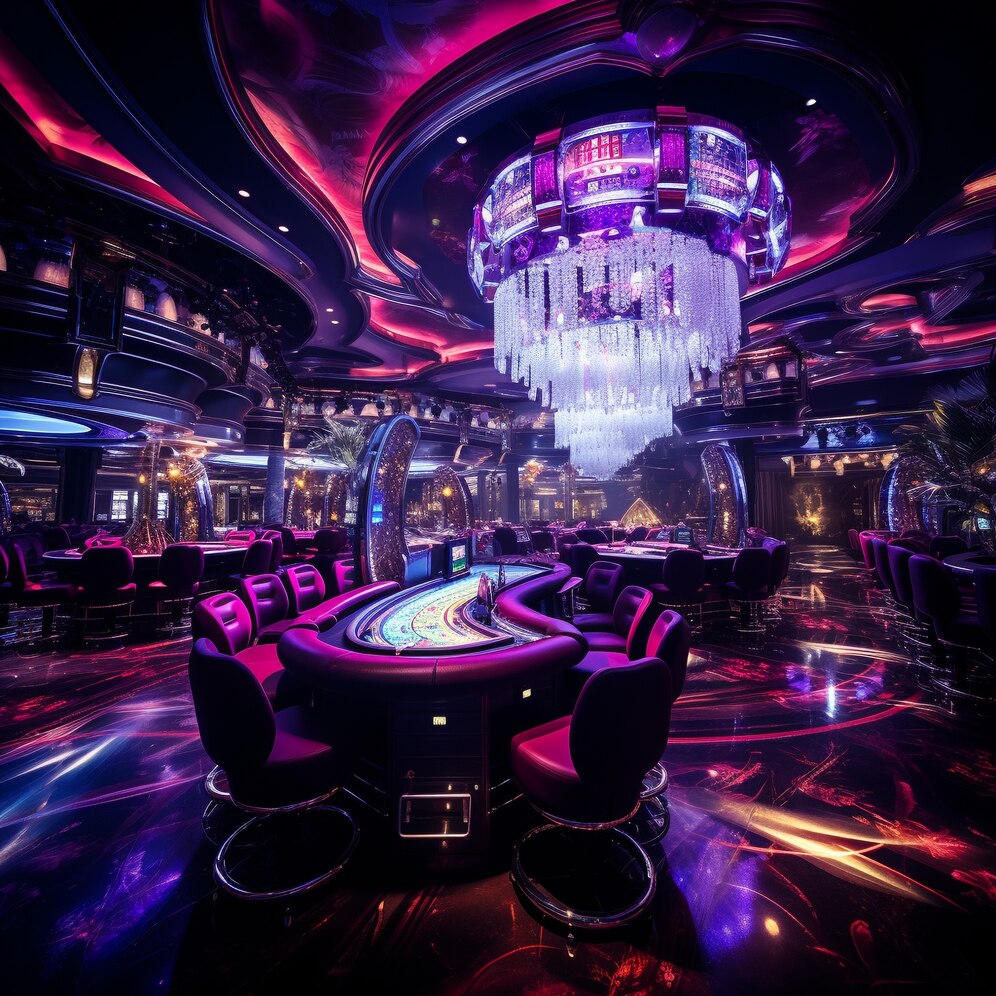
The future of casino sound design is likely to be shaped by advancements in technology and a deeper understanding of auditory psychology. Innovations such as 3D audio and immersive soundscapes are set to revolutionize the way casinos design their auditory environments. These technologies can create even more realistic and engaging experiences, enhancing the sense of immersion for players.
Additionally, as casinos continue to evolve and diversify their offerings, sound designers will need to adapt to new trends and preferences. Integrating personalized soundscapes, where individual player preferences are considered, could become a significant trend. Ultimately, the future of casino sound design lies in creating dynamic, responsive, and highly immersive auditory experiences that elevate the overall gaming experience.