


The gaming and entertainment industry, particularly through the lens of casino development, presents a complex scenario of economic gain juxtaposed with environmental concerns. The environmental impact of casino construction and operations is a critical issue that intertwines with sustainable development, resource management, and ecological conservation.
The Footprint of Casino Construction
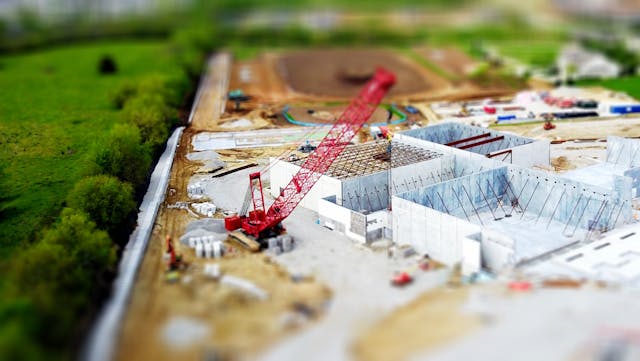
The initiation of any casino project involves extensive construction activities. These activities significantly contribute to the environmental impact of casino construction and operations by altering land use and disrupting local ecosystems.
Large-scale excavations, the felling of trees, and the increase in impervious surfaces lead to habitat destruction, changes in local hydrology, and a loss of biodiversity. Moreover, the construction phase is characterized by high levels of resource consumption, including water and energy, along with substantial waste generation.
The sourcing of building materials also feeds into the environmental impact of casino construction and operations. Using non-sustainable materials such as concrete and steel depletes natural resources and contributes to carbon emissions during manufacturing processes.
Some developers are turning towards eco-friendly materials like recycled steel, bamboo, and certified sustainable wood to mitigate these effects.
Operational Impacts on the Environment
Once operational, casinos continue to exert significant environmental pressures. The ecological impact of casino construction and operations does not halt after physical structures.
Energy consumption is one of the foremost operational concerns, with casinos requiring extensive lighting, heating, and cooling systems that often run continuously. This energy demand predominantly depends on fossil fuels, thereby contributing to greenhouse gas emissions unless renewable energy sources are integrated.
Water usage is another critical factor in the ongoing environmental impact of casino construction and operations. Large facilities such as hotels, spas, and golf courses associated with casinos are heavy water users.
This consumption can strain local water resources, especially in arid regions where water scarcity is prevalent. Effective water management strategies, including the use of water recycling systems and sustainable landscaping, are essential for reducing this impact.
The Role of Waste Management
Casinos generate a substantial amount of waste, including food waste, packaging, and outdated gaming equipment. Effective waste management strategies are vital in minimizing the environmental impact of casino construction and operations. Recycling, composting, and reusing strategies can significantly reduce the amount of landfill waste, lowering environmental pollutants and conserving resources.
Community and Ecosystem Interactions
The environmental impact of casino construction and operations extends beyond the immediate physical and operational effects. A socio-economic dimension involves the local community and its surrounding environment. Increased traffic flow, noise pollution, and potential increases in pollution levels can adversely affect local communities and wildlife, disrupting the quality of life and natural habitats.
Furthermore, casinos often become prominent local economic players that can influence regional development and land-use patterns. Depending on the regulatory framework and the casino’s commitment to environmental stewardship, this influence can either exacerbate environmental pressures or, alternatively, steer communities towards more sustainable practices.
Towards Sustainable Practices: Understand the Environmental Impact of Casino Construction and Operations
Addressing the environmental impact of casino construction and operations requires a commitment to sustainable development. This includes adopting green building standards during construction, integrating energy-efficient technologies, and enforcing robust environmental management systems during operations.
Stakeholders in the casino industry are increasingly aware of their environmental responsibilities and are employing innovative solutions to mitigate their ecological footprints. From implementing LEED-certified buildings to adopting comprehensive waste management systems, the path toward sustainability is being forged with a keen awareness of the delicate balance between development and environmental preservation.
In essence, the environmental impact of casino construction and operations offers both challenges and opportunities for the gaming industry. By embracing sustainable practices, casinos can not only reduce their ecological footprint but also set a benchmark for responsible environmental stewardship in the entertainment and hospitality sectors.
Engaging with this topic not only enhances regulatory compliance but also aligns with the growing consumer demand for environmentally responsible business practices.