
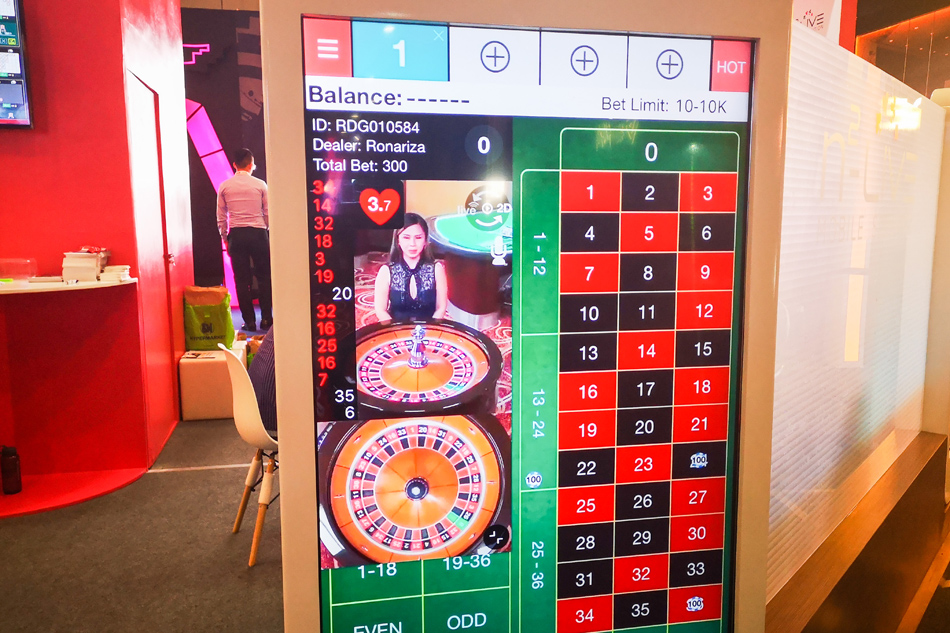
The gambling industry in the Philippines has been a cornerstone of economic activity, attracting domestic and international players. The country’s unique blend of liberal gambling laws, government support, and a thriving tourism industry has positioned it as a regional hub for gaming and entertainment. However, the industry is at a critical juncture, shaped by evolving technologies, shifting regulatory landscapes, and changing consumer behaviors. Here are the key trends shaping the future of gambling in the Philippines.
What the Future of Gambling in the Philippines Looks Like
The Rise of Online Gambling
The online gambling sector, led by Philippine Offshore Gaming Operators (POGOs), has experienced exponential growth over the past decade. With the widespread adoption of smartphones and high-speed internet, more Filipinos are engaging in online casino games, sports betting, and e-sabong (online cockfighting).
Post-pandemic consumer habits have further accelerated this trend, with many players preferring the convenience and accessibility of online platforms. In response, traditional brick-and-mortar operators are also venturing into the digital space, offering hybrid gaming experiences to capture a broader audience.
Integration of Emerging Technologies
Technology is increasingly critical in the evolution of gambling in the Philippines. Blockchain, for instance, is gaining traction for its ability to ensure transparent and secure transactions, while enabling the use of cryptocurrencies in betting.
Meanwhile, artificial intelligence (AI) is being deployed for enhanced customer experiences, such as personalized recommendations and fraud detection. Virtual reality (VR) and augmented reality (AR) are also set to revolutionize the industry by offering immersive gaming experiences replicating the thrill of a casino floor.
Regulatory Challenges and Opportunities
The gambling sector in the Philippines operates under the purview of the Philippine Amusement and Gaming Corporation (PAGCOR) and other regulatory bodies. While these agencies have historically provided a stable environment for operators, recent crackdowns on POGOs and concerns over money laundering have spotlighted the need for stricter compliance and oversight.
Looking ahead, regulatory reforms aimed at balancing economic growth with social responsibility will be critical. A focus on responsible gambling initiatives, stricter licensing requirements, and measures to prevent problem gambling could define the industry’s next phase.
The Growing Appeal of Integrated Resorts
Integrated resorts (IRs) remain a cornerstone of the Philippine gambling landscape. Destinations like Okada Manila, City of Dreams, and Solaire Resort & Casino continue to draw high-rollers and tourists. Adding new mega-projects, such as the Westside City Resorts World, underscores the ongoing demand for luxury gaming and entertainment.
Operators are diversifying their offerings to stay competitive, integrating family-friendly attractions, retail spaces, and live entertainment to appeal to a broader audience beyond gamblers.
Evolving Consumer Preferences
Younger generations are reshaping the gambling industry with their preferences for digital-first experiences, skill-based games, and social interaction. Esports betting, for example, has gained immense popularity, driven by the rise of competitive gaming and streaming platforms.
Additionally, players are increasingly seeking gamification elements in their gambling experiences. Features such as leaderboards, rewards, and challenges are becoming standard, catering to a new wave of tech-savvy and engagement-driven customers.
Economic and Tourism Recovery
The Philippine gambling industry is closely tied to the broader economy and tourism sector. The post-pandemic recovery has been strong, with international tourists returning to the country’s casinos and resorts. As travel restrictions ease further, the gambling industry is poised to capitalize on increased foot traffic and spending.
However, global economic uncertainties, including inflation and geopolitical tensions, may pose challenges. Strategic investments in marketing and partnerships with travel agencies will be crucial for sustaining growth.
Sustainability and Corporate Responsibility
As global awareness around sustainability grows, the gambling industry in the Philippines is beginning to adopt eco-friendly practices. Integrated resorts are focusing on green building initiatives, renewable energy use, and waste management programs.
Moreover, corporate social responsibility (CSR) initiatives are gaining prominence, with operators investing in community development, education, and healthcare to foster goodwill and enhance their public image.
Betting on the Future: A Thriving Industry in Transition

The future of gambling in the Philippines is both dynamic and promising. By embracing technology, adapting to regulatory changes, and catering to evolving consumer demands, the industry can sustain its growth and solidify its position as a global leader in gaming and entertainment. However, stakeholders must navigate challenges carefully, balancing profitability with social responsibility to ensure long-term success.
As the industry evolves, one thing is clear: the Philippine gambling sector is poised to remain a vital part of the country’s economy and a premier destination for gaming enthusiasts worldwide.