
Ever wondered about the history of music and how it influenced casino culture?
Music and gambling share a longstanding relationship, with melodies enhancing the casino experience since the first gambling houses emerged. The evolution of music within casinos reflects broader cultural trends, adapting to changes in popular taste and technology over the centuries. From classical compositions to modern pop anthems, music has played a crucial role in shaping the atmosphere and allure of casinos worldwide.
Casino Music and Its History
Early Beginnings: The Sound of the Salons
In the 17th and 18th centuries, gambling establishments in Europe were often luxurious salons frequented by the elite. These early casinos, such as the famous Ridotto in Venice, provided a refined atmosphere where patrons played games like faro and basset. Classical music, often performed live by small ensembles, created an ambiance of sophistication and exclusivity. Classical composers were sometimes commissioned to write pieces for these venues, blending the cultural pursuits of music and gambling.
The Rise of Jazz: Roaring Twenties and Beyond
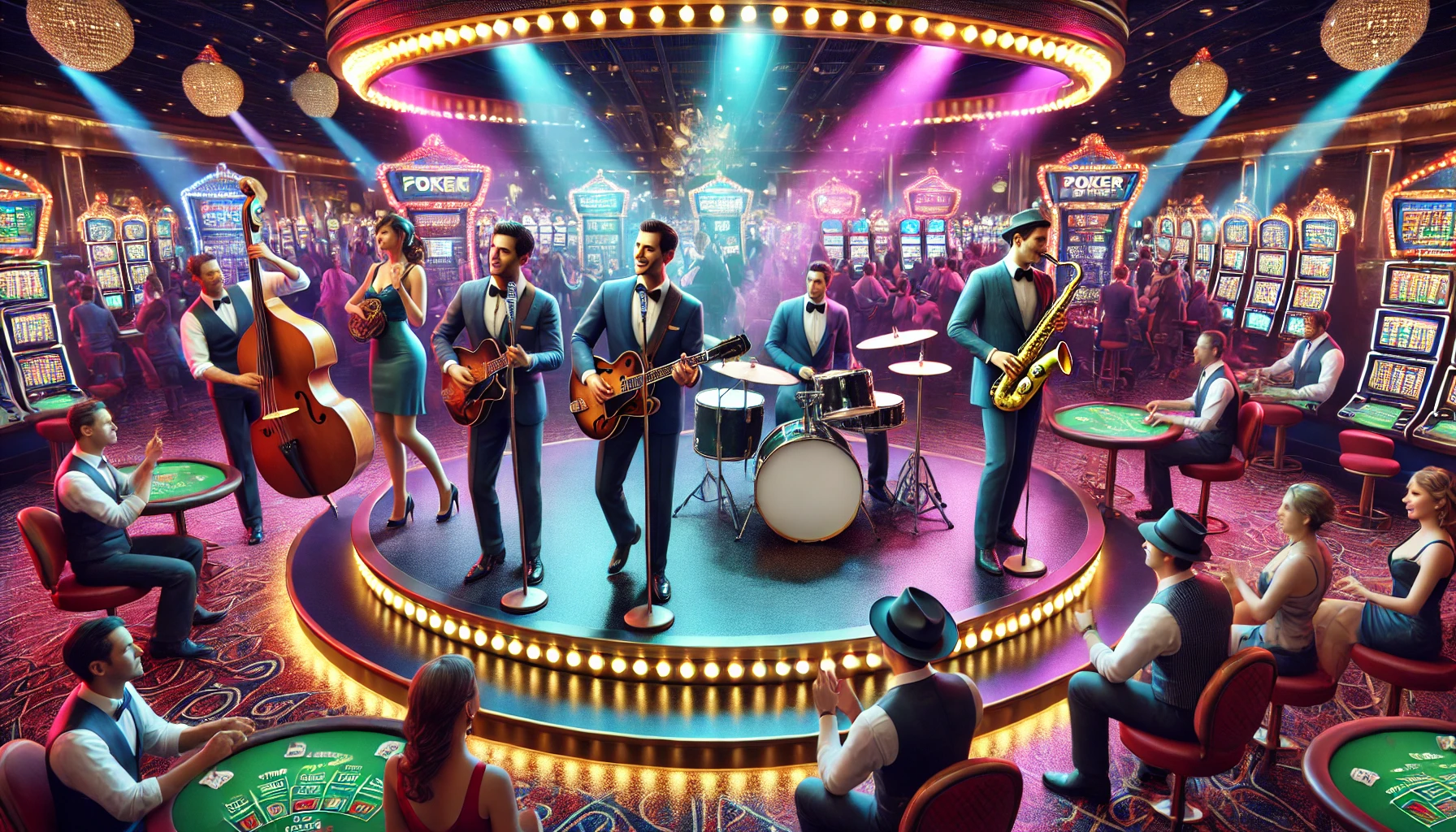
The early 20th century saw the rise of jazz, a genre that quickly found its place in casinos. The United States, particularly Las Vegas and Atlantic City, became epicenters of gambling and entertainment. Jazz, with its lively and improvisational nature, mirrored the excitement of the casino floor. Speakeasies and underground clubs often featured jazz bands, creating a vibrant atmosphere that drew in gamblers seeking both musical and financial thrills.
The Swing Era: Big Bands and Glamour
The 1930s and 1940s, known as the Swing Era, brought big band music into casinos. Orchestras led by legends like Benny Goodman and Duke Ellington performed in glamorous venues, such as the Sands Hotel and Casino in Las Vegas. This era marked the beginning of the casino as an entertainment hub, where patrons could enjoy world-class performances alongside their favorite games. The synergy between big-band music and the opulent casino environment contributed to the golden age of gambling entertainment.
The Rock and Roll Revolution
The 1950s and 1960s ushered in the rock and roll revolution, which significantly impacted casino culture. Elvis Presley, known as the “King of Rock and Roll,” became a fixture in Las Vegas, performing at the International Hotel (now the Westgate Las Vegas Resort and Casino). His residency attracted a new generation of gamblers and music lovers, solidifying the connection between contemporary music and casino entertainment. The high-energy performances and rebellious spirit of rock and roll resonated with the changing societal attitudes of the time.
Disco and Pop: The 1970s and 1980s
As music evolved, so did its presence in casinos. The 1970s and 1980s saw the rise of disco and pop music, with artists like Frank Sinatra, Dean Martin, and the Rat Pack defining the Las Vegas entertainment scene. Disco, with its infectious beats and danceable tunes, became a staple in casino nightclubs. Pop music, characterized by artists like Michael Jackson and Madonna, further diversified the musical landscape, ensuring that casinos appealed to a broad audience.
The Modern Era: Diverse Genres and Live DJ Sets
Today, casinos feature a diverse array of musical genres, reflecting the eclectic tastes of contemporary audiences. Live performances by international superstars, tribute acts, and resident DJs are common in major casino resorts. Electronic dance music (EDM) has become particularly popular, with top DJs like Calvin Harris and Tiësto holding residencies in Las Vegas. These high-energy performances create an immersive experience, combining cutting-edge technology with the timeless appeal of music and gambling.
The Psychological Impact of Music in Casinos
Beyond entertainment, music plays a strategic role in enhancing the gambling experience. Casino operators carefully select music to influence patrons’ behavior and emotions. Upbeat tempos can encourage longer play and increased betting, while soothing melodies create a relaxed atmosphere conducive to spending more time at the tables. This psychological interplay underscores the importance of music as both an art form and a business tool within the casino industry.
The Future of Music in Casino Culture
As technology continues to evolve, so will the integration of music in casinos. Virtual reality and augmented reality experiences may offer new ways for patrons to enjoy music while gambling. Additionally, personalized playlists and AI-driven music selections could tailor the auditory environment to individual preferences, creating a more customized and engaging experience.
Explore the Timeless Connection Through the History of Music in Casinos

The history of music in casino culture is a testament to the enduring connection between auditory art and gambling entertainment. From the classical compositions of the early salons to the pulsating beats of modern EDM, music has continuously shaped and enriched the casino experience.
As we look to the future, this symbiotic relationship will continue to evolve, offering new and exciting ways for music and gambling to intersect.