


The gambling industry in the Philippines has grown significantly over the past few decades, evolving into a vital contributor to the nation’s economy. This sector encompasses a wide range of activities, including casino gaming, online gambling, lottery operations, and cockfighting, among others. With this growth, gambling has brought opportunities and challenges to the country’s economic landscape.
Economic Contributions of Gambling
Employment Generation
One of the most significant benefits of the gambling industry in the Philippines is its ability to create jobs. Integrated resorts and casinos, particularly in areas like Manila’s Entertainment City, employ thousands of people in roles ranging from gaming operations and hospitality to security and maintenance. Additionally, the burgeoning online gambling sector, dominated by Philippine Offshore Gaming Operators (POGOs), has created demand for IT professionals, customer support representatives, and language specialists.
Revenue for Government Programs
The Philippine Amusement and Gaming Corporation (PAGCOR), a government-owned and controlled corporation, regulates gambling operations and channels a significant portion of its revenue to national development projects. For example, PAGCOR reported revenue of PHP 58.96 billion in 2022, much of which was allocated to healthcare, infrastructure, and disaster response programs. This revenue is crucial in funding essential services and addressing social issues.
Tourism Boost
Casinos and integrated resorts have positioned the Philippines as a destination for high-stakes gaming, attracting international tourists. These facilities not only offer gambling but also provide world-class amenities such as luxury hotels, fine dining, and entertainment shows. As a result, they contribute significantly to tourism receipts, especially from markets like China, South Korea, and Japan.
Ancillary Business Growth
The gambling industry stimulates growth in related sectors such as real estate, construction, and retail. The demand for infrastructure to support gaming establishments, including transport and accommodation, increases investments and job opportunities in these areas.
Challenges and Concerns
Social Costs
While the economic benefits are evident, gambling also poses social challenges. Problem gambling can lead to financial instability, mental health issues, and strained relationships. The government has attempted to address these concerns through responsible gaming campaigns and establishing rehabilitation centers, but these measures remain limited in scope.
Regulatory Risks and Corruption
The rapid growth of POGOs has raised concerns about regulatory oversight, tax compliance, and illegal activities. Reports of money laundering and crimes linked to offshore gambling operations have tarnished the industry’s image and led to calls for stricter regulation. Today, the Marcos administration has banned all activities of POGOs.
Economic Inequality
Critics argue that gambling disproportionately benefits large corporations and wealthy investors while exacerbating economic inequality. The industry’s profits often flow to a few, exposing vulnerable populations to negative impacts.
Balancing Growth and Responsibility
The Philippine government has taken steps to maximize the economic benefits of gambling while addressing its risks. Initiatives include stricter licensing regulations, enhanced tax collection from gambling operators, and increased investments in social programs funded by gambling revenues. However, more comprehensive measures are needed to ensure sustainable growth in the sector without compromising societal well-being.
Balancing the Impact of Gambling on the Philippine Economy
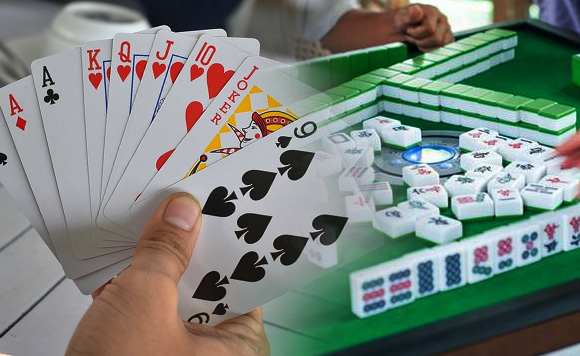
The gambling industry in the Philippines is a double-edged sword. On one hand, it provides substantial economic benefits through employment, revenue generation, and tourism. On the other hand, it poses significant social and regulatory challenges that require ongoing attention and intervention. Striking a balance between economic growth and social responsibility is crucial for the industry to continue contributing positively to the Philippine economy.
Through effective governance and responsible practices, the country can harness the potential of gambling while mitigating its risks, paving the way for a more sustainable and equitable future.