

The rise of esports in Japan has been nothing short of extraordinary. Once seen as a niche hobby, competitive gaming has transformed into a booming esports industry with significant cultural and economic impact. With esports tournaments gaining traction and teams competing for massive prize pools, Japan is solidifying its place on the global esports scene.
The Growing Appeal of Electronic Game Sports: A Closer Look
The evolution of esports has redefined the entertainment industry, making it an integral part of the global gaming landscape. Players compete in popular games like League of Legends, Dota 2, and Valorant, attracting tens of thousands of spectators to live-streaming platforms and physical venues. These fast-paced games not only entertain but also push the boundaries of what competitive video games can achieve.
The average age of esports players skews younger, with individual gamers often starting their professional careers in their teens. Unlike traditional sports, where physical endurance is paramount, esports requires mental agility, strategy, and quick reflexes. Esports teams, similar to their NBA counterparts, are structured with coaches, analysts, and even health specialists to optimize performance. This infrastructure has helped create a professional environment where gamers can thrive while enjoying the game.
In the past few years, the esports industry has witnessed a surge in revenue from various sources. Publisher fees, sponsorships, and merchandise sales all play a significant role in the sustainability of the industry. The growing prize pool in international tournaments, sometimes reaching millions of dollars, has added further credibility to esports as a legitimate sport or game.
Historical Foundations of Esports and Competitive Gaming in Japan
Japan’s legacy as a gaming powerhouse dates back to the golden era of arcade games like Space Invaders and Donkey Kong. These early video games laid the groundwork for the modern gaming industry, which today includes esports players, professional teams, and even international esports leagues. Unlike traditional sports fans, esports enthusiasts often gather on streaming platforms to watch their favorite game unfold in real-time.
The Impact of Popular Game Titles and Cultural Significance
Game titles in esports like League of Legends and Counter-Strike dominate the scene, with their global appeal uniting gamers and other gamers across borders. These games often serve as platforms for innovation, influencing both game development and the broader digital content landscape. Research institutions like Stanford University have even started studying the impact of video games and esports on cognitive and social skills, further emphasizing the cultural impact of this industry.
Esports Tournaments: A Global Phenomenon
Major esports tournaments such as the League of Legends World Championship and Valorant Champions have drawn fans worldwide with their high stakes and impressive prize money. In Japan, the rise of local esports events has introduced the concept of professional gaming as a viable career option, inspiring young esports gamers to aim for the global stage.
For instance, Japan’s performance in real-time strategy and fighting games has showcased its competitive prowess. While not as huge as the average concurrent viewership in South Korea, Japan is experiencing huge headwinds in various esports games like League of Legends.
Bridging Esports and Traditional Sports
More than the prize money, the esports ecosystem in Japan has attracted partnerships with traditional industries and professional sports organizations. Some esports initiatives mirror the National Basketball Association and its engagement with esports leagues, creating opportunities for crossovers that appeal to both sports fans and esports fans. This blending of digital and physical entertainment has elevated the cultural impact of electronic sports, drawing interest from mainstream media and younger generations alike.
Revenue Streams and Economic Growth from Esports
The Japanese esports market thrives on diverse revenue streams, including ticket sales for live events, sponsorships, media rights, and content creation. With large-scale prize pools and growing interest from streaming sites, Japan’s gaming industry is poised for sustained growth. Moreover, the incorporation of VR technologies and virtual reality gaming is expanding the horizons of electronic sports.
The Role of Esports Teams and Fans
Japanese esports teams, such as DetonatioN Gaming and Sengoku Gaming, have gained international recognition, contributing to the global esports phenomenon. These teams not only compete at high-profile tournaments but also connect deeply with esports fans, fostering a loyal following. The presence of passionate gamers and their support underscores the importance of building a robust esports ecosystem.
Popularity of Live Streaming Esports
The integration of streaming sites has revolutionized how audiences experience esports. This technology has not only increased accessibility for fans but has also enhanced the visibility of teams and their games. As esports continues to grow, it is clear that it will remain a dominant force in the global entertainment space, bridging gaps between traditional sport and gaming, and elevating the medium into a league of its own.
Future Prospects for Japan’s Esports Industry and Competitive Video Gaming
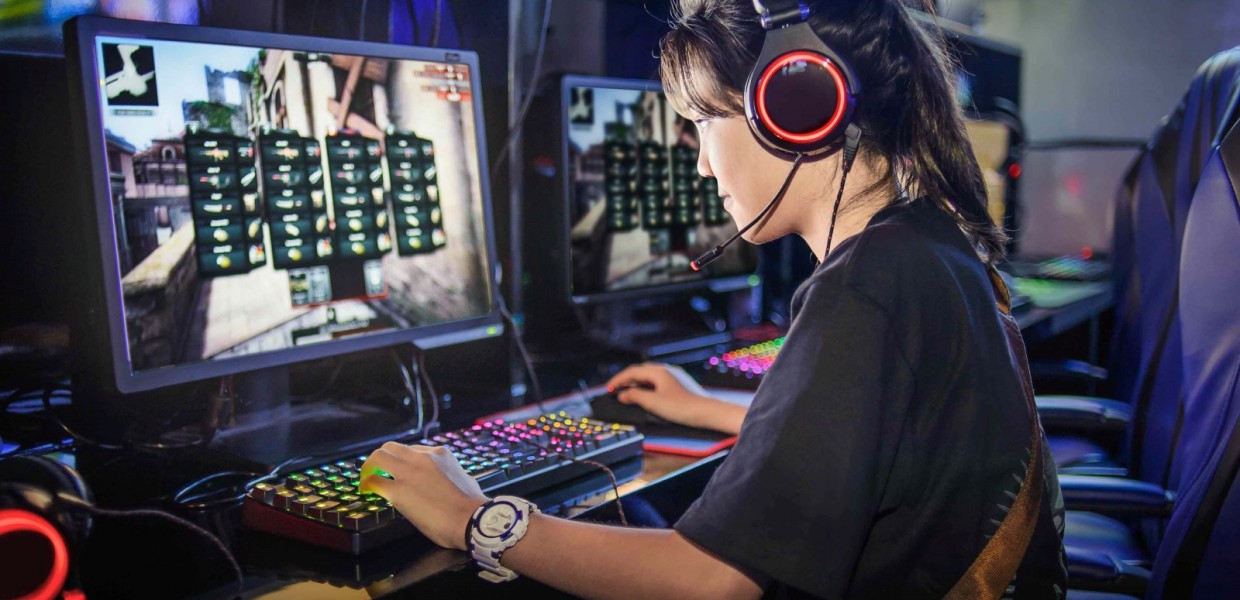
With the increasing popularity of competitive video gaming, Japan’s esports space continues to evolve. From hosting world-class tournaments to fostering professional players, the country’s gaming culture is now a dynamic force in the global gaming industry. The potential for more global events, like the League of Legends World Championship, and the rise of streaming platforms will further cement Japan’s role as a leader in esports.
As the lines between traditional sports and electronic sports blur, Japan’s esports industry is shaping a future where playing video games is more than just a pastime—it’s a global sport and an ever-growing source of entertainment.