
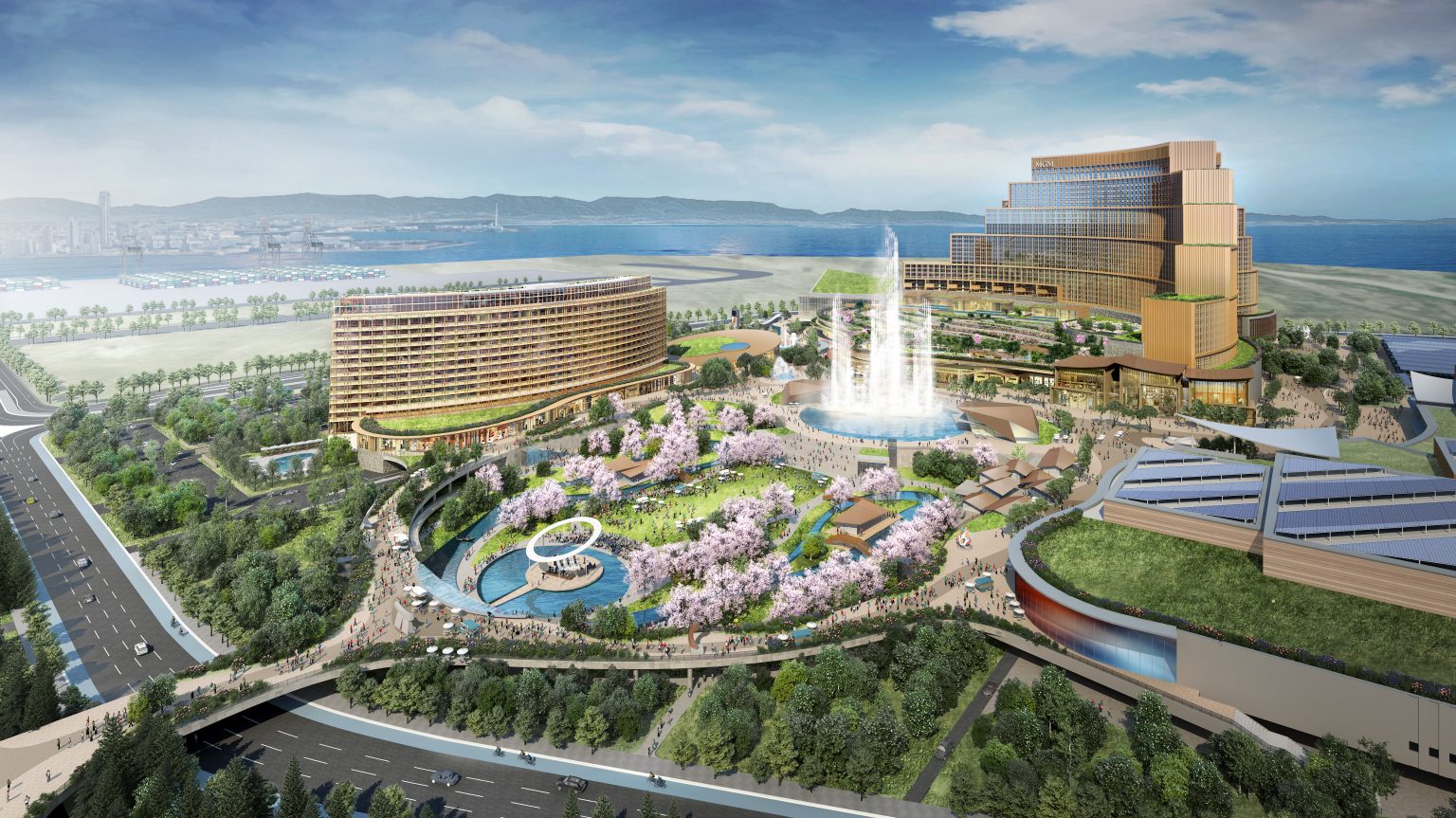
In recent years, Japan has made strides toward entering the global casino market with integrated resorts (IRs) and multi-faceted complexes that combine casinos, hotels, shopping, entertainment venues, and convention facilities. These integrated resorts in Japan are intended not only to capitalize on the country’s potential as a premier tourist destination but also to drive significant economic growth through job creation, foreign investments, and local revenue streams.
The strategic decision to allow IRs is a notable shift for a country where gambling restrictions have historically been stringent. By analyzing the economic potential, the anticipated tourism surge, and the societal impact of these integrated resorts, Japan aims to secure a competitive place in the global gambling sector.
Gambling Through Integrated Resorts in Japan
Economic Potential of Integrated Resorts
The Japanese government sees integrated resorts as a potential economic catalyst. Estimates suggest that IRs could generate billions in revenue annually, primarily through tourism but also through local spending on entertainment, dining, and retail. Furthermore, these resorts are expected to create thousands of jobs in hospitality, gaming, retail, and security, stimulating regional economies.
For instance, the Osaka IR project alone is projected to bring significant growth, provide employment for locals, and enhance infrastructure in the Kansai region.
Boost to Tourism
Japan has long been a sought-after destination for tourists, known for its rich cultural heritage, natural landscapes, and vibrant urban centers. The addition of IRs is expected to further position Japan as a global tourist hub by attracting international tourists who view these resorts as all-inclusive vacation spots.
The government aims to integrate integrated resorts in Japan with existing tourism initiatives, offering packages that link visitors to traditional cultural experiences and high-tech entertainment options. This approach is intended to broaden Japan’s appeal, especially among tourists from Asia and beyond.
Addressing Regulatory and Social Challenges
Implementing IRs in Japan also involves navigating various regulatory and social hurdles. Concerns about problem gambling and its social impact on communities have spurred strict regulations, such as entrance fees for Japanese residents and caps on monthly visits to casino facilities.
The government has emphasized responsible gambling measures, aiming to mitigate potential negative effects while reaping the economic rewards of IRs. Additionally, local opposition from communities wary of increased tourism and associated changes will require continuous engagement and clear communication about the benefits and protections IRs bring.
Infrastructure and Sustainability
For IRs to thrive, Japan must make significant investments in infrastructure, including transportation, accommodation, and digital connectivity. This emphasis on sustainable infrastructure has led some IR developers to consider environmentally friendly practices, ensuring long-term viability and public support for the projects.
Such sustainable infrastructure efforts could set a precedent, helping Japan showcase its IRs as not only economically beneficial but also as models of eco-friendly, integrated development.
Looking Ahead: A Balanced Approach for Growth
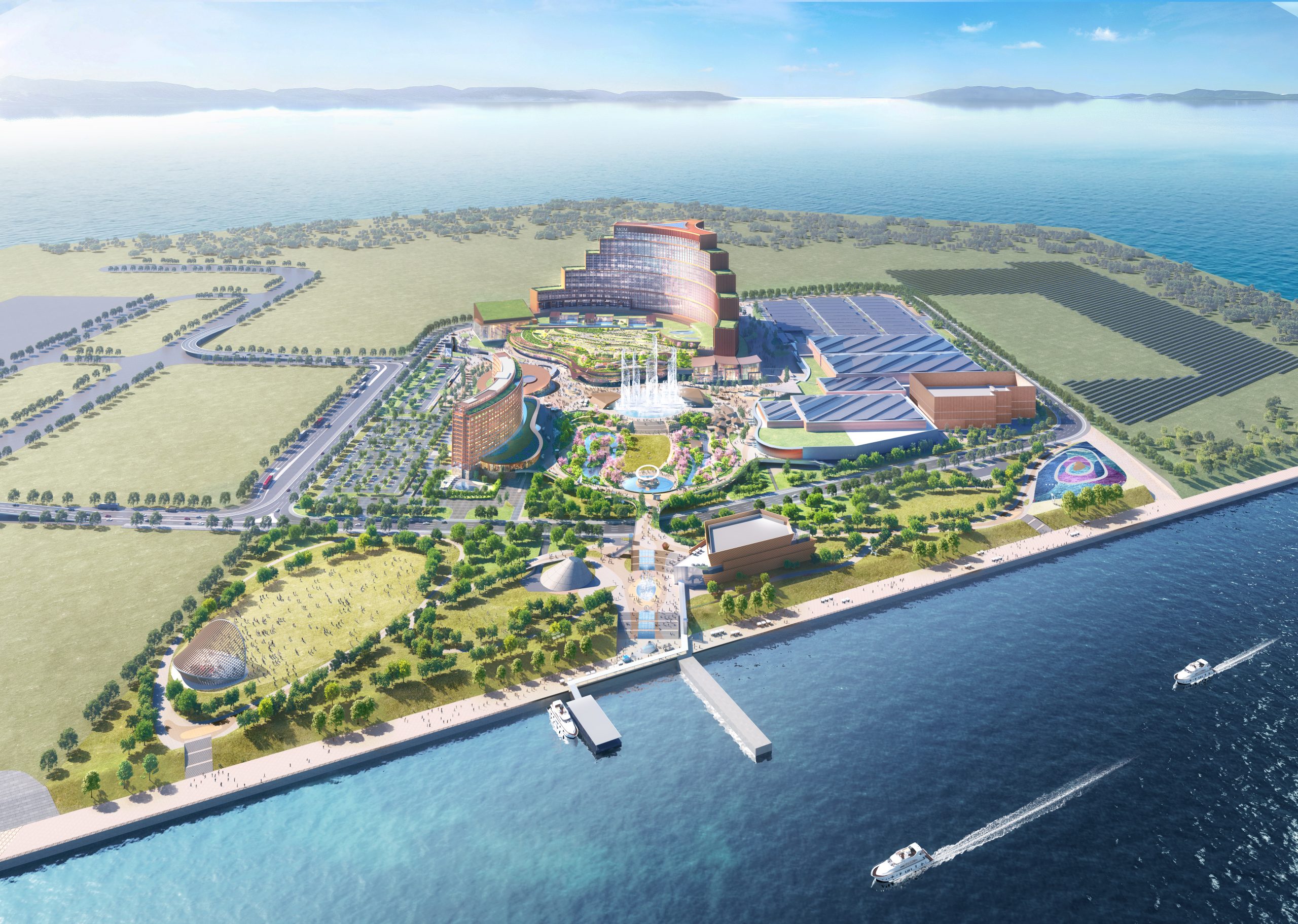
The government’s willingness to address concerns, promote responsible gambling, and invest in infrastructure underscores Japan’s commitment to making integrated resorts a strategic asset.
Integrated resorts in Japan represent a bold step toward economic modernization and tourism enhancement. By carefully navigating the regulatory landscape and maintaining a focus on sustainable development, integrated resorts in Japan could offer a model for future gambling industries worldwide.
As Japan moves forward, the success of integrated resorts will depend on maintaining a balance between economic gain and societal impact, ultimately shaping a dynamic and prosperous future for Japanese tourism and entertainment.