
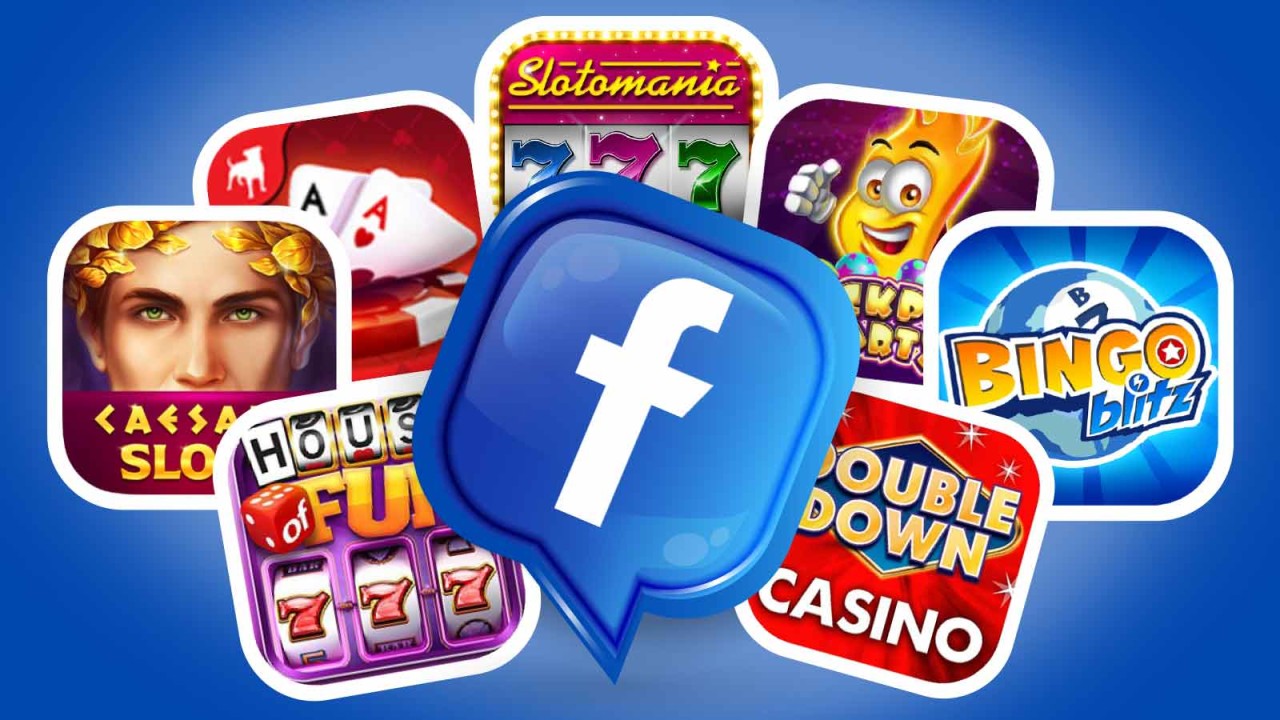

Online gambling has exploded in popularity over the past decade, driven in large part by the rise of internet platforms and mobile applications. Central to this growth is the increasingly significant role of social media in promoting online gambling. With billions of users worldwide, social media platforms such as Facebook, Instagram, Twitter, YouTube, and TikTok offer an unparalleled reach, connecting gambling operators directly with potential customers.
As the lines between entertainment, gaming, and gambling continue to blur, social media is becoming a powerful tool in the online gambling industry’s marketing arsenal. However, this development also raises concerns about regulation, responsible gambling, and the potential impact on vulnerable individuals.
Massive Global User Base: The Draw of Social Media in Promoting Online Gambling
Social media has fundamentally changed the way businesses reach and engage with consumers. With highly targeted advertising, direct user engagement, and viral content potential, platforms like Facebook, Instagram, and Twitter offer online gambling companies unique opportunities to attract new customers. This is especially effective because social media algorithms are designed to capture users’ interests and habits, allowing for highly personalized marketing strategies.
Social media platforms boast billions of active users globally. For example, Facebook has over 3 billion monthly active users as of 2024, and Instagram has over 2 billion. This vast user base allows gambling operators to reach people across different demographics, geographies, and interests.
Moreover, the engagement-driven nature of these platforms means that users are more likely to interact with gambling-related content, whether through likes, comments, or shares, making it easier for the content to spread and reach wider audiences.
Advanced Targeted Advertising Techniques
Another powerful aspect of social media is its capability for targeted advertising. Social media platforms collect vast amounts of data on their users, from their interests and online behaviors to geographic locations and demographics. Online gambling companies take advantage of this data to create highly targeted advertisements that are more likely to appeal to individual users.
Facebook Ads, for instance, can target users based on their browsing habits, age, gender, or even past engagement with gambling-related content. This level of targeting ensures that gambling operators can reach their desired audience more efficiently, maximizing their marketing return on investment (ROI).
Leveraging Influencers and Streamers
Influencer marketing and sponsorships have also become a major trend. In recent years, the rise of influencer culture has significantly impacted the promotion of online gambling. Many gambling companies collaborate with social media influencers, streamers, and even celebrities to promote their platforms. These influencers often have large, loyal followings, and their endorsements can lend credibility and attract new users to gambling websites.
For instance, popular YouTube channels or Twitch streamers may promote online casinos, sports betting platforms, or poker sites during live streams or through sponsored content, encouraging viewers to join and play.
Engaging Users with Interactive Content
In addition to influencers, the interactive features of social media platforms make them ideal for promoting online gambling. Social media platforms offer various interactive features, such as live streaming, giveaways, polls, and games, which gambling companies use to engage with users and create excitement around their platforms.
For example, Facebook Live or Instagram Live can be used to host gambling-related events, while Twitter polls might be employed to engage users with predictions on sports betting odds. These features not only keep the audience engaged but also foster a sense of community, encouraging users to participate in gambling-related activities.
The Power of Virality and User-Generated Content
User-generated content and virality are crucial aspects of social media’s effectiveness in promoting online gambling. Social media thrives on user-generated content, and gambling companies often encourage users to share their experiences, wins, or tips on their platforms. This can create a snowball effect as user-generated content appears in their friends’ or followers’ feeds, increasing exposure. In some cases, viral content can significantly boost the visibility of a gambling platform.
For instance, a high-stakes win posted on Twitter or Instagram may draw attention, leading more users to check out the gambling platform.
Social Media in Promoting Online Gambling: Challenges
Targeting Vulnerable Populations
While the promotion of online gambling on social media offers a lucrative opportunity for gambling operators, it also presents a host of ethical concerns. One of the most concerning aspects of social media marketing for online gambling is the potential to target vulnerable populations, such as underage individuals or people struggling with gambling addiction.
Although most platforms claim to have age-restriction policies in place, the reality is that minors can easily access gambling-related content. Furthermore, the highly personalized nature of social media advertising can expose individuals with gambling problems to a barrage of ads and promotions, potentially exacerbating their addiction.
The Normalization of Gambling
The pervasive presence of gambling content on social media can contribute to the normalization of gambling, particularly among younger audiences. Platforms like Instagram and TikTok are popular with teens and young adults, who may be exposed to gambling advertisements or influencer endorsements on a regular basis.
Over time, this exposure can desensitize users to the risks of gambling, making it seem like a harmless, everyday activity. This normalization can lead to a higher likelihood of engaging in gambling at an earlier age, which has been linked to a greater risk of developing gambling-related problems later in life.
Regulatory Challenges
The fast-evolving nature of social media and its global reach pose challenges for regulators. Many countries have strict rules regarding the advertising of gambling, particularly concerning the protection of vulnerable individuals. However, social media platforms operate across borders, and gambling companies often find ways to circumvent local regulations.
For instance, an ad prohibited in one country may still be visible to users in that region if the platform does not effectively enforce geographic restrictions. Moreover, using influencers or user-generated content to promote gambling can sometimes blur the lines between organic content and paid advertising, making regulation even more difficult.
Insufficient Emphasis on Responsible Gambling
Although some gambling companies include responsible gambling messages in their social media promotions, these messages are often overshadowed by the excitement and appeal of the games themselves. In many cases, the responsible gambling messaging is relegated to small print or mentioned fleetingly, if at all. This insufficient emphasis on the potential risks of gambling undermines efforts to promote safer gambling practices and can contribute to problem gambling behaviors among users.
The Rise in Gambling Addiction
The promotion of online gambling via social media has far-reaching implications for society. One of the most significant societal impacts of social media-fueled online gambling promotion is the potential rise in gambling addiction. As gambling becomes more accessible and normalized through social media, more individuals may develop problematic gambling behaviors. Gambling addiction is associated with various negative outcomes, including financial hardship, mental health problems, relationship issues, and even criminal behavior in some cases.
Influence on Younger Audiences
The exposure of young people to gambling advertisements on social media is particularly concerning. Studies have shown that young adults are more susceptible to the allure of gambling due to their risk-taking behaviors and lower awareness of gambling risks. Social media, with its influencer culture and entertainment-based content, can make gambling seem exciting and risk-free to younger audiences, increasing the likelihood of early engagement with gambling.
Economic Implications
On a broader level, the promotion of online gambling through social media can have economic consequences for society. While gambling may generate tax revenue for governments, the societal costs of gambling-related problems—such as addiction treatment, lost productivity, and crime—can outweigh these financial benefits. As more people are drawn into gambling through social media promotions, the potential for economic strain on healthcare systems and social services may increase.
Moving Forward: Balancing Promotion and Responsibility

Social media has undeniably become a powerful tool for promoting online gambling, offering gambling companies unprecedented access to vast and diverse audiences. The ability to target users based on their interests and habits, coupled with the engaging nature of social media platforms, has transformed the way online gambling is marketed.
However, this development comes with significant ethical and societal concerns. The potential to target vulnerable populations, the normalization of gambling, and the lack of effective regulation are all issues that need to be addressed to ensure that the promotion of online gambling is done responsibly.
As the intersection of social media and online gambling continues to evolve, it will be critical for regulators, social media platforms, and gambling operators to work together to promote responsible gambling practices and protect vulnerable individuals from harm. Without proper oversight, the role of social media in promoting online gambling could contribute to a rise in gambling-related problems, with far-reaching consequences for society.