

Betting Regulations in Cambodia
Cambodia has become a major talking point in Southeast Asia’s gambling sector, especially as nearby countries weigh stricter rules and shifting regional regulations.
While the country is famous for Angkor Wat and cultural attractions, it also draws foreigners who come for casino games and integrated resorts along Cambodia’s borders and coastal provinces.
Understanding betting regulations in Cambodia is important for foreign citizens, expats, and tourists because the country’s gambling activities are heavily shaped by Cambodian law and the rising crackdown on illegal and scam operations.
Historical Background of Betting Regulations: Cambodia
Cambodia’s gambling history has evolved through decades of political shifts, economic reform, and regional influence, making the country one of the most unique hubs in the Southeast Asian region.
Early Gambling Culture
Before modern laws, informal games involving money—such as dice games, village betting, and seasonal lotteries—were deeply embedded in rural daily life. These games were socially accepted but unregulated, often contributing to local disputes and debt issues.
Khmer Rouge Era
During the Khmer Rouge regime (1975–1979), all gambling activities were illegal. The regime prohibited anything considered a social vice, making them punishable by severe penalties. This period left lasting cultural discomfort around addiction and financial exploitation.
Early 1990s: Gradual Reopening
After years of conflict and reconstruction, Cambodia began reopening its economy. With the country experiencing rising unemployment and economic unrest, the government turned to tourism and foreign investment. Recognizing that nearby countries lacked legal gambling industries, Cambodia began exploring commercial gaming as a development tool.
1996 Law on Suppression of Gambling
In response to widespread local participation, the government passed the Law on the Suppression of Gambling in 1996, which fundamentally reshaped gambling in the country. Under this law, all forms of gambling were banned for Cambodian citizens, and all previously issued licenses were voided to eliminate unregulated operations.
The legislation also clarified that only the government held the authority to authorize and control any casino operations within the country. This act became the foundation for modern Cambodian legislation on gaming activities and continues to influence how they are regulated today.
2000s: Rise of Border Casinos & Foreign Investors
Seeking tax revenue and investments, Cambodia began issuing casino licenses for operations located near the border, allowing foreigners to legally gamble while preventing Cambodian locals from entering.
Border towns like Poipet, O’Smach, and Bavet became major hubs, offering commercial facilities designed for foreign gamblers—primarily Thai, Vietnamese, and Chinese citizens.
This era marked the beginning of the casino boom, heavily supported by Chinese capital and foreign investors.
2010s: Expansion of Online Gambling & Special Economic Zones
Sihanoukville and other coastal provinces experienced rapid growth in online casinos and integrated resorts. Looser controls and investment from China’s global infrastructure project — the Belt and Road Initiative — transformed the city into a regional online gaming hub.
However, the rapid expansion brought severe risks, including human trafficking, scams, transnational crime, and organized crime. These issues forced the government of Cambodia to reassess the entire casino sector.
2019: Ban on Online Gambling
Due to increasing international pressure, stricter regional regulations, and expanding cyber cooperation measures with China, Prime Minister Hun Sen announced a nationwide ban on online gambling.
The decision led to the shutdown of gaming compounds across the country, triggered a sharp decline of Chinese investors in the coastal city of Sihanoukville, and prompted widespread enforcement raids targeting scams linked to casino networks.
The ban also forced a major restructuring of the gaming sector, reshaping how foreign operators, investors, and local authorities manage gaming-related activities in Cambodia.
Present Day: New Regulatory Framework for Commercial Gaming
Under Prime Minister Hun Manet, Cambodia is constructing a comprehensive framework governing commercial gaming. The government formed the commercial gambling management commission to regulate:
- Casino licenses and operators
- Application procedures
- Investment compliance
- Gambling activities
- Management policies
The goal is to effectively crack down on illegal gambling, restore Cambodia’s image, protect Cambodian locals, and stabilize the industry while still benefiting from tourism-based tax revenue.
Cambodian Law on Gambling

Cambodia’s primary gaming law is the Law on the Suppression of Gambling (1996), which continues to serve as the country’s central regulatory framework. These rules form the backbone of Cambodia’s existing national framework for regulating gaming activities.
Under Cambodian legislation, all Cambodian citizens are prohibited from gambling; only the government has the authority to issue casino licenses, and gambling operators can face imprisonment for violating these rules.
Online gambling also falls under the category of activities considered “officially illegal,” reinforcing the country’s firm stance against unauthorized betting platforms.
Cambodian law creates a strict separation between Cambodian locals and foreigners. While casinos continue to operate legally for tourists, the government maintains cultural, political, and social reasons for restricting locals.
Investment from foreign nations continues to shape the gambling sector, but new regulations focus on strengthening oversight, reducing crime, and constructing policy frameworks that align with international standards.
Online Gaming Law and Regulations in Cambodia
Online casinos exist in a complicated legal space in the country. Cambodia’s online gambling environment was once loosely regulated, attracting foreigners and gaming operators backed by Chinese capital under China’s global infrastructure project, the Belt and Road Initiative. For years, Cambodia’s coastal city of Sihanoukville has been a hub for online casino operators.
In 2019, the Cambodian government imposed a nationwide ban on online gambling in response to rising concerns about human trafficking, cyber cooperation challenges, and crime linked to foreign gamblers using Cambodian gambling facilities as offshore bases.
As a result, online gambling is now illegal for Cambodian citizens, and many online casino platforms are blocked throughout the country. Although foreigners can still access offshore casino sites, authorities continue to crack down on scams and illegal online networks connected to gaming.
While some players attempt to use VPNs, doing so carries significant risks depending on the extent of local enforcement and ongoing cybersecurity efforts.
Legal Gambling in Cambodia: Commercial Gambling Legality
Commercial gaming in Cambodia is legal only for foreign passport holders. The sector is regulated through casino licenses issued by the Cambodian government, though enforcement varies by region.
Foreigners can legally gamble inside licensed casinos and integrated resorts, while Cambodian locals cannot. Commercial gaming operations are primarily found in:
- Poipet (Thai border)
- Bavet (Vietnam border)
- O’Smach
- Sihanoukville
- Phnom Penh (NagaWorld integrated resort)
The growing industry once attracted massive investment from Chinese capital, but recent crackdowns have pushed many operators to reassess business ventures in Cambodia.
Illegal Gambling in Cambodia
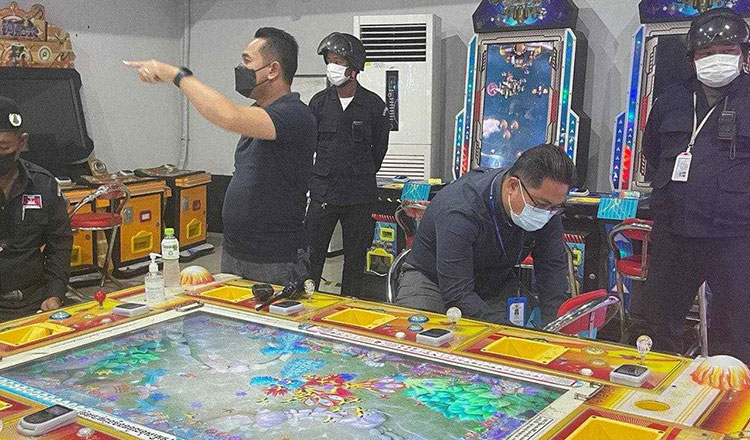
Cambodia’s gaming law strictly bans Cambodian citizens from engaging in any form of gambling, including offline and online casino games and sports wagering. Gambling operations remain widespread in rural areas, often involving dice games and small betting houses.
Because gambling addiction and debt disputes have been linked to social unrest, the Cambodian government continues to conduct raids and increase enforcement. Difficulties remain, however, due to organized crime networks, economic unrest, and corruption inside coastal provinces and special economic zones.
Visitors should avoid unlicensed casino facilities because they may be tied to transnational crime, scam operations, or unsafe environments.
The Casino Industry in Cambodia
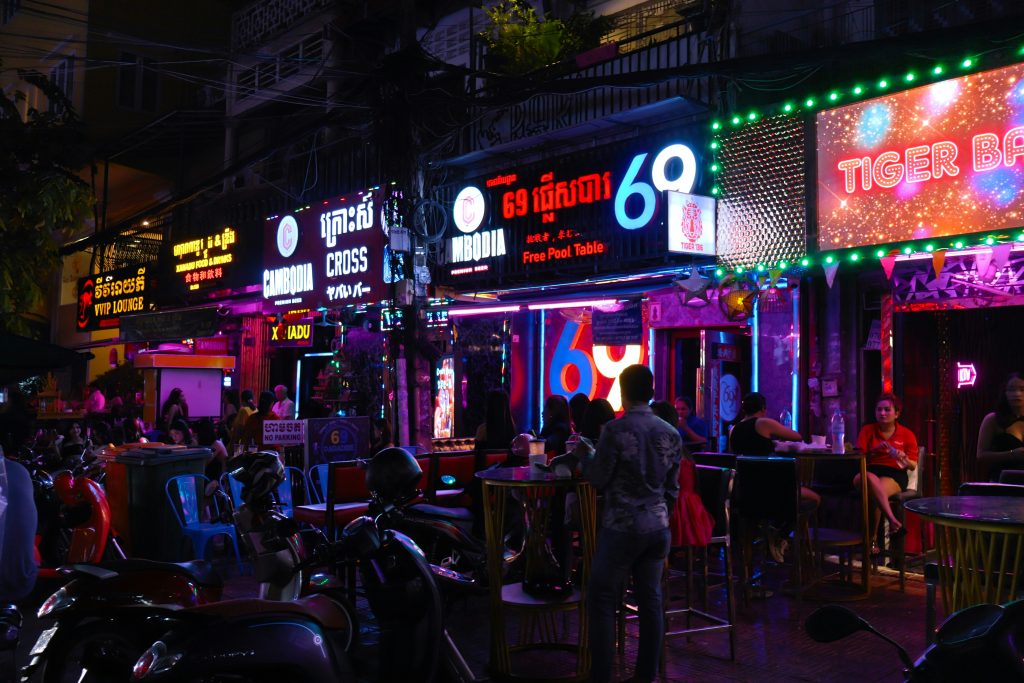
Cambodia’s casino industry is built almost entirely around foreigners, and at its peak, the country operated more than 50 licensed casinos in an effort to become one of Asia’s largest gambling destinations outside Macau.
To enter these establishments, foreign casino goers must present a foreign passport, while Cambodian citizens remain fully banned from participating in any casino activity under national law. The sector generates substantial tax revenue for the government, and many casinos are strategically located along border towns so tourists can gamble without formally entering Cambodia.
High-rollers often enjoy access to private rooms, further emphasizing the industry’s focus on foreign clientele. However, the industry has experienced a noticeable decline in recent years due to intensified government crackdowns, transnational crime investigations, and a drop in Chinese arrivals following China’s tightened restrictions on overseas gaming.
Cambodia and Southeast Asia Gambling Landscape
Across the region, rules vary significantly, and the bloc’s divisions often complicate efforts to create unified standards or shared enforcement against illegal gambling networks. Cambodia’s gambling sector sits at the center of the region’s evolving regulations.
Many nearby countries—such as Thailand, Vietnam, and Myanmar—have tighter controls, pushing foreign gamers into Cambodia’s commercial gaming environment. Countries like the Philippines also take a more structured regulatory approach, creating a clear contrast between Philippine and Cambodian legislation.
This regional imbalance once made Cambodia a business hub for casinos, gaming firms, and integrated resorts, though the country is now undergoing a careful reassessment of its policies under Prime Minister Hun Manet.
Social Cost of Gambling in Cambodia
The government of Cambodia has become increasingly concerned about the social costs of gambling, including:
- Addiction
- Rising debts
- Social unrest
- Corruption
- Vulnerability to scam operations
- Human trafficking networks linked to online gaming compounds
These issues have triggered major crackdowns and contributed to Cambodia’s reputation as a high-risk region in the global gambling industry.
Frequently Asked Questions on Cambodia’s Gaming Industry
Is betting legal in Cambodia?
Yes, but only for foreign passport holders inside licensed casinos.
Can a VPN be used for sports betting?
Many foreigners use VPNs to access offshore betting sites, but this can involve severe risks depending on ongoing crackdowns.
Is 1XBET legal in Cambodia?
No. Platforms like 1XBET fall under Cambodia’s online casino restrictions.