
Things to Do in Cambodia
Cambodia offers an incredible mix of ancient temples, river landscapes, island escapes, and deep cultural heritage. While most foreign visitors immediately think of Angkor Wat, the country offers far more than its world-famous temples.
This guide covers the best things to do when you visit Cambodia, including Angkor Wat temple complex highlights, Phnom Penh attractions, Siem Reap experiences, island paradises like Koh Rong, and lesser-known adventures across the countryside.
Best Things to Do in Cambodia
Explore the Legendary Temple Complex of Angkor Wat
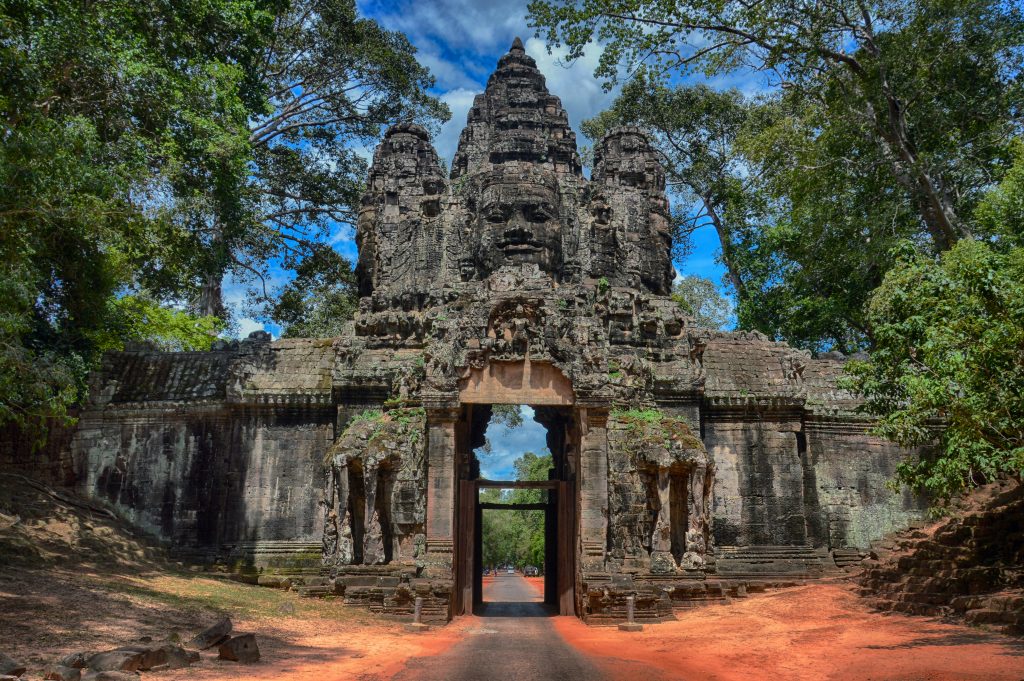
Location: Siem Reap Province, Northwestern Cambodia
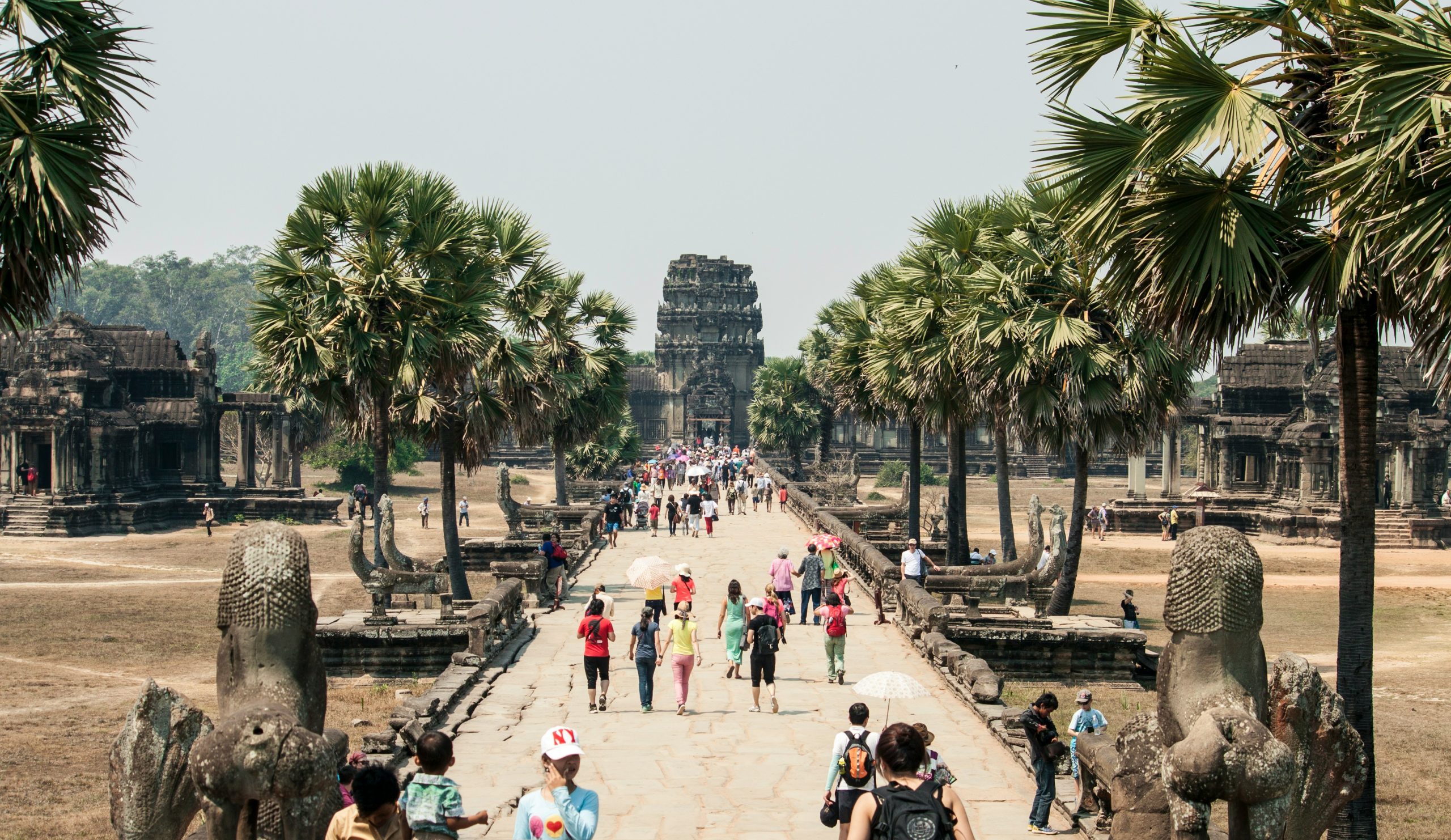
Angkor Wat is the crown jewel of things to do in Cambodia and one of the most iconic landmarks in the world. This UNESCO World Heritage Site is the largest religious monument ever built and stands as the ultimate symbol of the Khmer Empire’s architectural mastery.
Visitors can explore its vast temple complex, wander through intricate carvings depicting ancient myths, climb steep laterite stairways, and walk along its immense galleries surrounded by the jungle.
Early morning visits offer spectacular views as the sun rises behind the towers, while late afternoon brings golden light that enhances the temple’s stonework. Sunrise at Angkor Wat is especially beautiful during the dry season when skies are clearer and reflections in the moat are crisp and bright.
Nearby, travellers can extend their adventure by visiting Bayon, adding depth to the Angkor experience.
Discover the Walled City of Ancient Temples in Angkor Thom
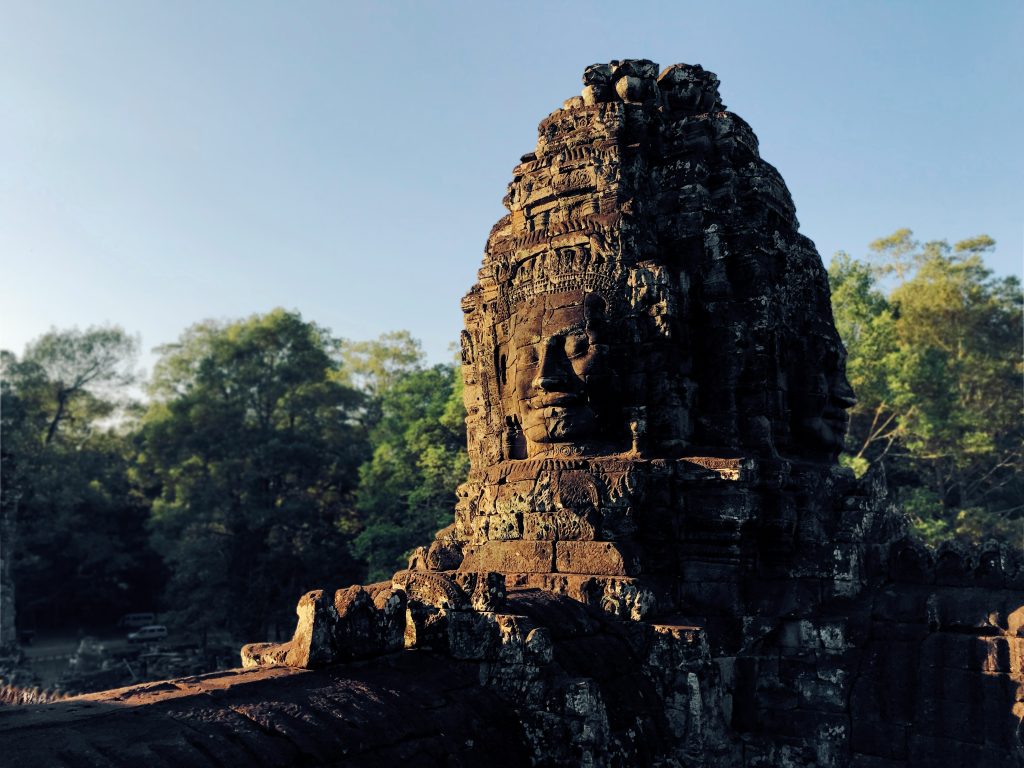
Location: Angkor Archaeological Park, Siem Reap Province
Angkor Thom was once the capital city of King Jayavarman VII and remains one of the most atmospheric places in Cambodia. Surrounded by a massive square wall and monumental gates decorated with stone faces, the site is home to some of the most unique Khmer structures.
Inside, visitors will find the hauntingly beautiful Bayon Temple with more than 200 carved faces, the Elephant Terrace used for royal ceremonies, and tranquil forested paths leading to smaller, lesser-known shrines. Exploring Angkor Thom gives a powerful sense of what life in the ancient empire may have been like.
Experience the Floating Villages on Tonle Sap Lake
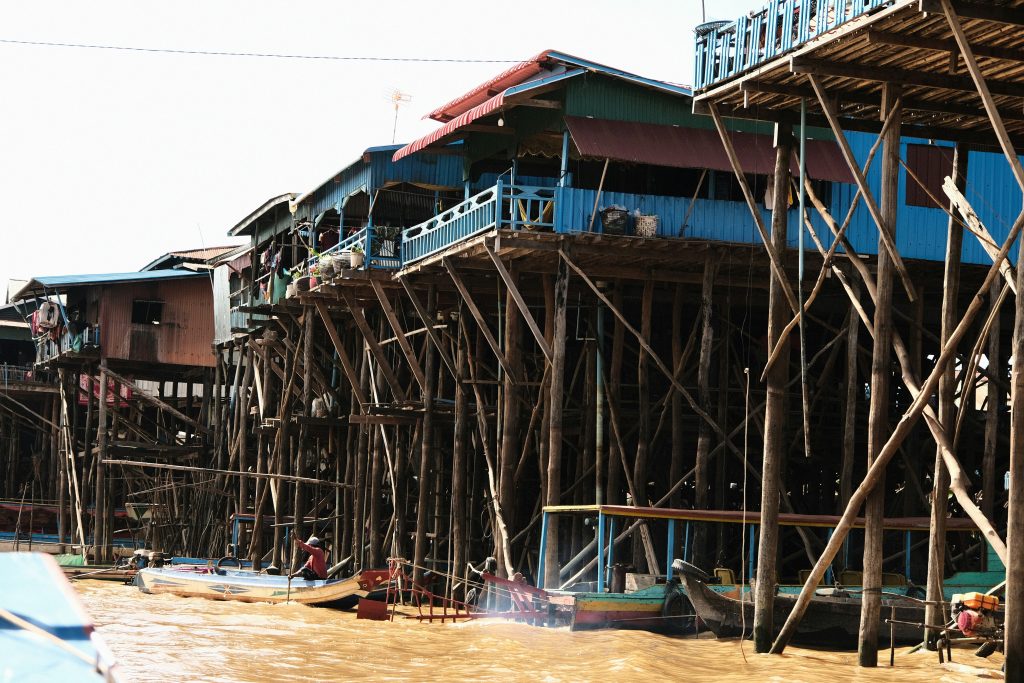
Location: Siem Reap Province, Central Cambodia
Tonle Sap Lake, the largest freshwater lake in Southeast Asia, is famous for its floating villages such as Kampong Khleang and Kampong Phluk. Here, daily life unfolds entirely on water — homes float, schools drift, and boats replace motorbikes.
Exploring these floating villages offers a rare window into Cambodian daily life, especially among fishing communities whose livelihoods shift dramatically between the rainy season and dry season. Boat rides through flooded forests and stilt houses make this one of the most meaningful cultural experiences near Siem Reap.
Find Ethical Encounters at the Elephant Valley Project
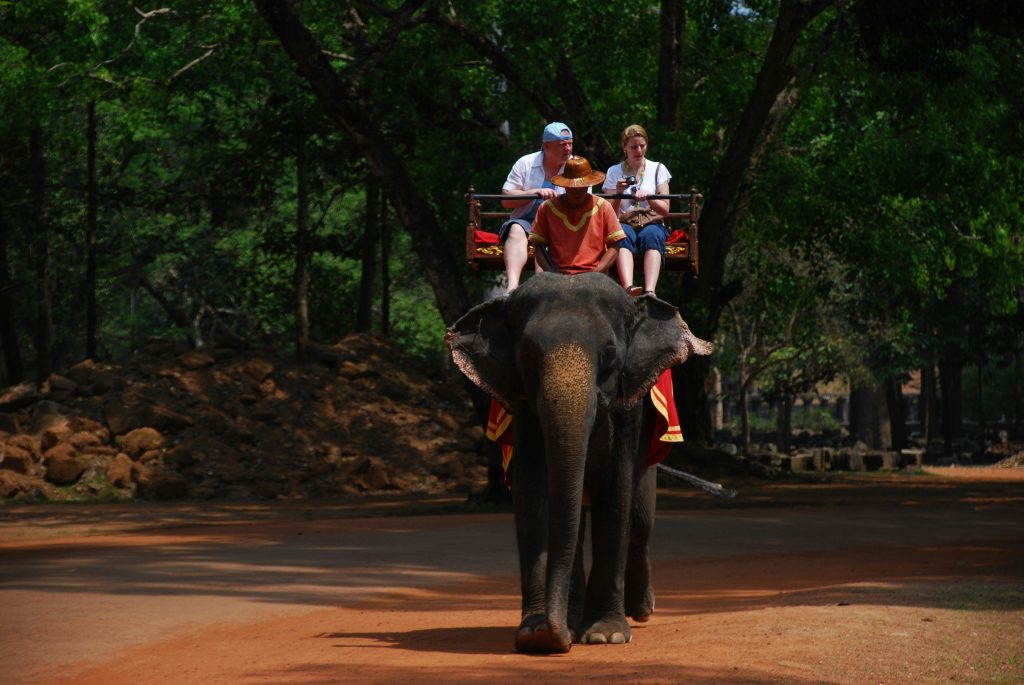
Location: Mondulkiri Province, Northeastern Cambodia
Located in the lush highlands of Mondulkiri, the Elephant Valley Project is Cambodia’s leading ethical elephant sanctuary. Instead of rides or performances, visitors walk alongside rescued elephants as they roam through wide forested areas.
Local guides teach guests about conservation and the traditions of the Indigenous Bunong people who have lived with elephants for generations. The experience offers a peaceful, respectful way to connect with wildlife without causing harm.
Visit Phnom Penh’s Colonial Architecture
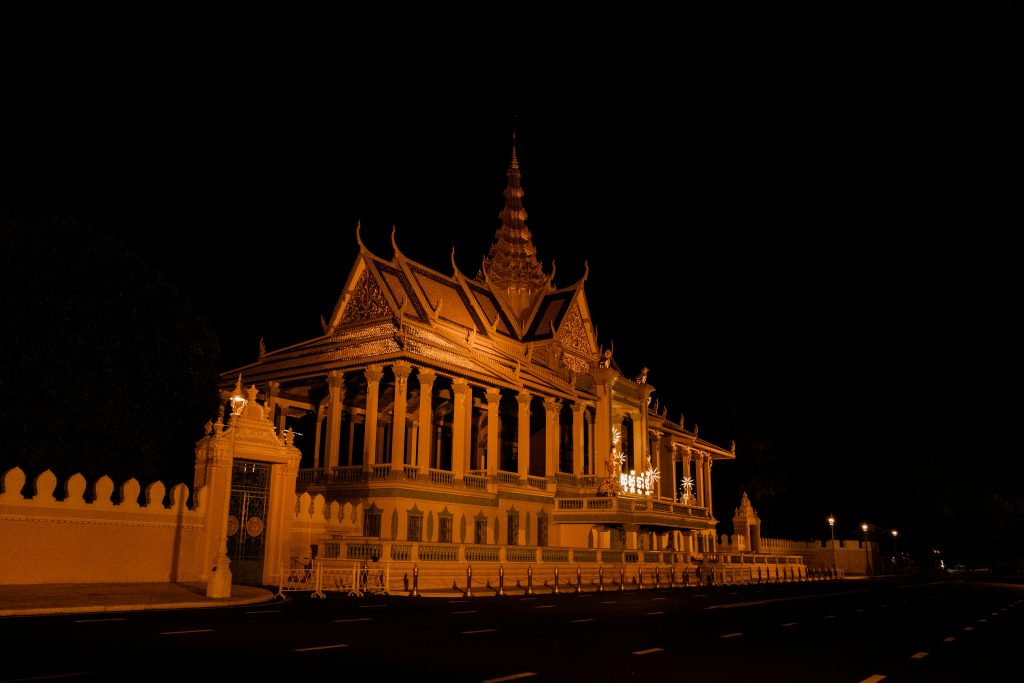
Location: Phnom Penh, Cambodia’s Capital
The capital offers a fascinating blend of historical eras, from ancient Khmer temples to French colonial architecture. Walking through the city reveals ornate balconies, pastel-colored shophouses, and wide boulevards shaped by European design.
Highlights include the Royal Palace, the National Museum, the riverside promenade, the iconic Foreign Correspondents Club, and the lively Russian Market. Many visitors enjoy strolling along the Mekong at sunset before discovering cafés and restaurants housed inside restored colonial buildings.
Learn About Cambodia’s History in the Tuol Sleng Genocide Museum
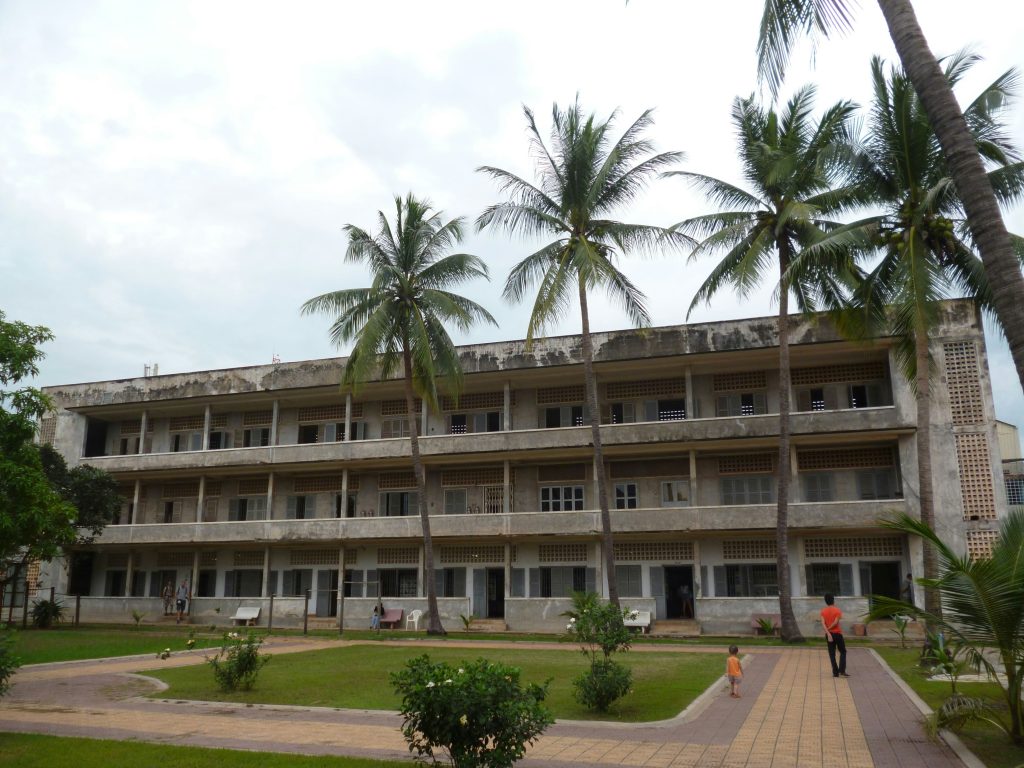
Location: Phnom Penh, Cambodia
To understand the country’s history and resilience, visiting the Tuol Sleng Genocide Museum (S-21) is essential. The site documents the tragedies of Pol Pot’s Khmer Rouge regime and honors the millions who suffered.
Walking through the memorials offers powerful insight into Cambodia’s past and its determination to rebuild. It is a difficult but deeply meaningful experience that shapes many travelers’ perspectives on the nation’s strength and spirit.
Ride the Bamboo Train in Battambang
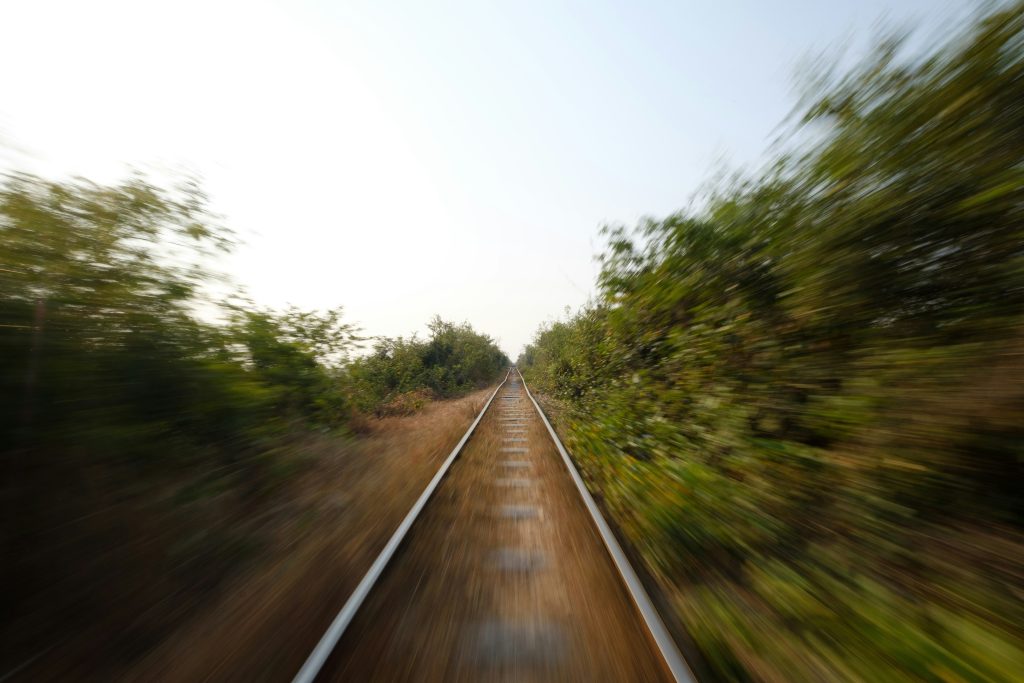
Location: Battambang Province, Western Cambodia
The bamboo train, or “norry,” is one of Cambodia’s most unusual attractions. This small bamboo platform powered by a simple motor glides along old railway tracks through rice fields, surrounding countryside, and quiet villages.
Riding the train provides a fun, breezy glimpse into rural life and offers beautiful scenery that feels worlds away from the busy cities. It’s a quirky cultural ride that you won’t find anywhere else.
Admire Intricate Pink Stone Carvings of Banteay Srei
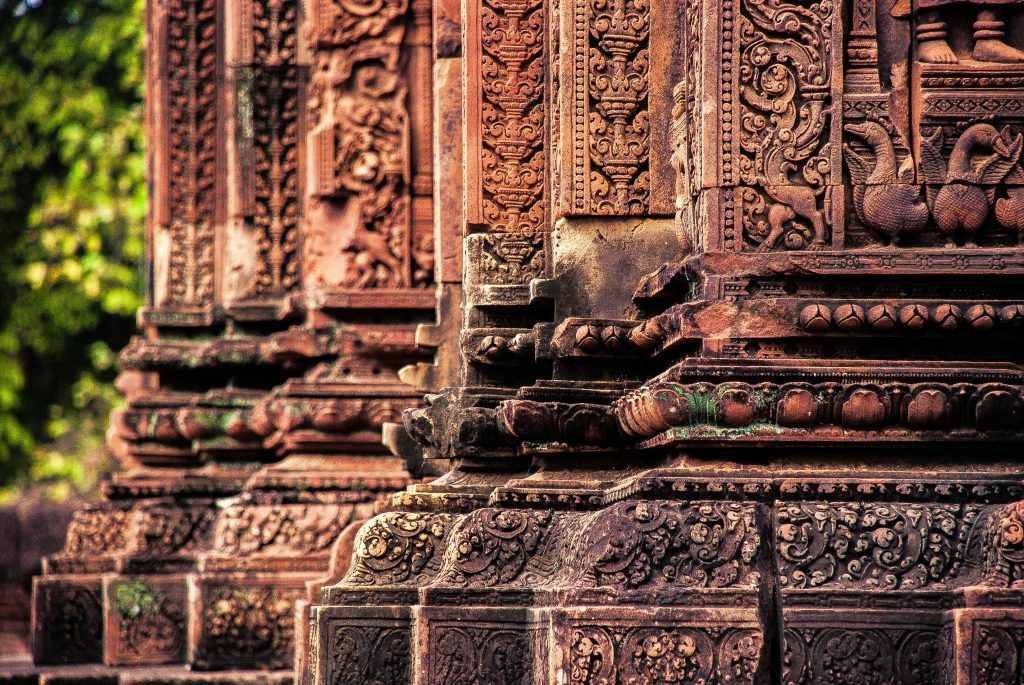
Location: Angkor Region, Siem Reap Province
Banteay Srei is renowned for its exquisite pink sandstone carvings — some of the most detailed in the entire Khmer Empire. Smaller and more intimate than Angkor Wat, the temple’s elaborate sculptures depict mythological scenes, floral patterns, and intricate guardians.
Visitors often describe Banteay Srei as the most beautiful temple in Cambodia. Its warm colors glow during sunrise and late afternoon, creating perfect photography conditions.
Go Jungle Trekking in the Cardamom Mountains
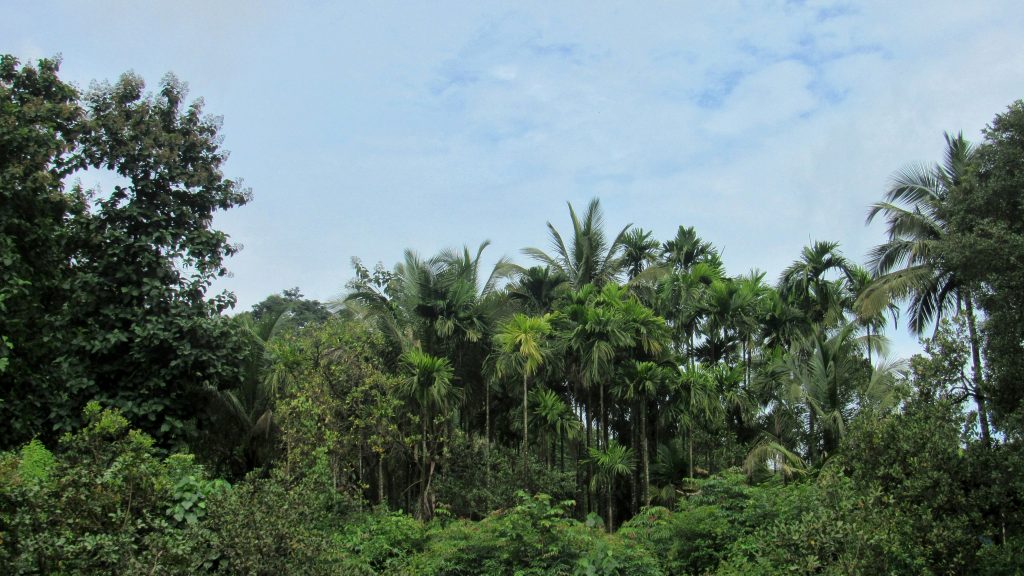
Location: Southwestern Cambodia
The Cardamom Mountains form one of Southeast Asia’s last great rainforests. This region offers endless adventure opportunities, including trekking, river kayaking, wildlife spotting, and exploring hidden waterfalls.
Visitors can hike through dense rainforest, stay in community-based eco-lodges, and experience untouched nature in a region home to elephants, clouded leopards, and rare birds. It’s ideal for travelers seeking a wild escape.
Visit the Killing Fields
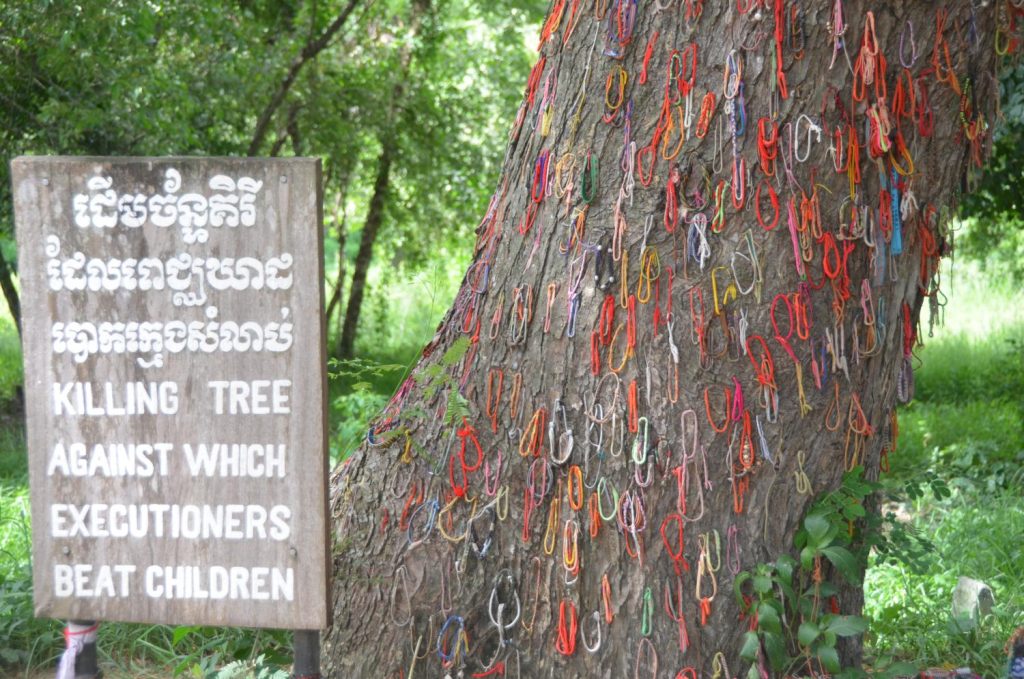
Location: Choeung Ek, Phnom Penh Area
The Killing Fields at Choeung Ek are among Cambodia’s most important historical landmarks. The site serves as a memorial to the victims of the Khmer Rouge and offers a moving place for reflection. Visitors can walk along marked paths, listen to audio guides, and understand the country’s struggle and resilience.
Discover the Flavors of Khmer Cuisine Through Food Trips or a Cooking Class
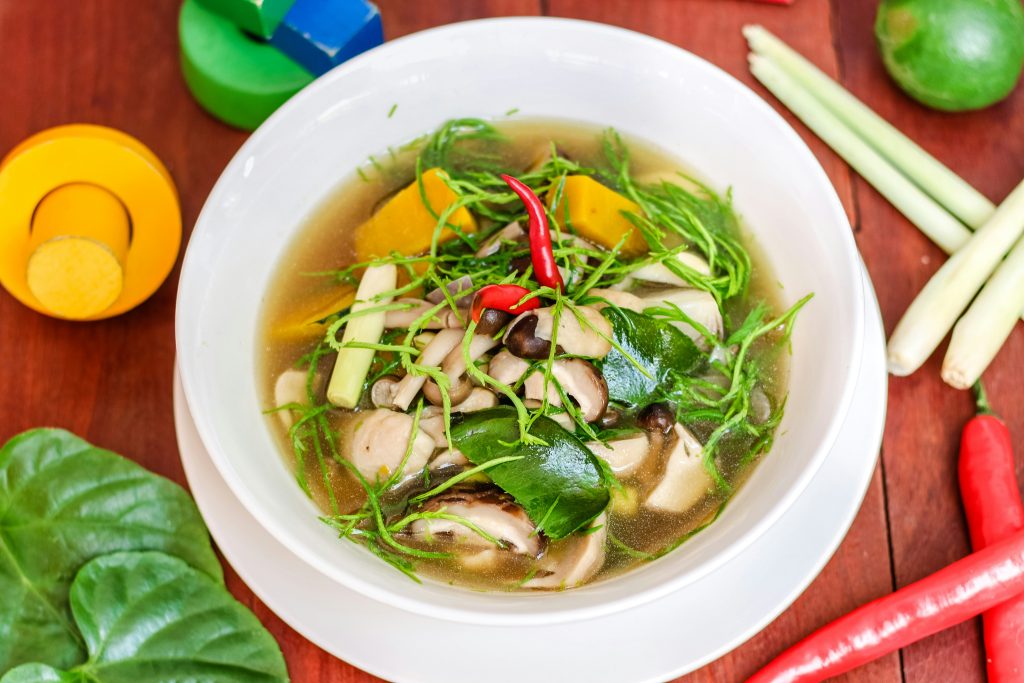
Cambodian cuisine is one of the country’s biggest surprises for foreign visitors. In the capital and Siem Reap, travelers can sample rich soups flavored with lemongrass, grilled meats marinated in local spices, freshwater fish dishes, and fragrant curries.
Visiting bustling markets, street food stalls, and family-run eateries helps travelers appreciate how the cuisine blends fresh herbs, bold flavors, and ancient techniques. Popular taste experiences include nom banh chok (Khmer noodles), amok fish steamed in banana leaves, and sweet treats made with palm sugar. It’s a wonderful way to experience daily culinary delights in the country.
More Things To Do in Cambodia
- Visit Koh Rong and Koh Rong Samloem for crystal clear waters and white sandy beaches
- Relax on Otres Beach or Rabbit Island for quiet coastal escapes
- Explore colonial Kampot and taste fresh seafood at the crab market
- Discover pepper plantations in Kampot and Kep
- Enjoy nightlife on Pub Street in Siem Reap
- Ride through Siem Reap by tuk tuk with a local guide
- Visit markets and villages across the south coast
- Explore the Khmer Empire ruins and all the temples across Angkor
- Visit Koh Ker’s pyramid temple, Prasat Thom
Frequently Asked Questions
What is Cambodia best known for?
Cambodia is best known for Angkor Wat, the biggest religious monument in the world and the centrepiece of the ancient Khmer Empire. As a UNESCO World Heritage Site, the Angkor Wat temple complex attracts millions every year.
The country is also known for its intricate carvings, surrounding jungle, river cruises on the Mekong River, and important historical sites tied to Pol Pot’s Khmer Rouge.
Cambodia’s beautiful beaches, local villages, floating markets, and warm hospitality add to its global reputation.
Is Cambodia worth visiting?
Yes. Cambodia is absolutely worth visiting for travelers seeking a mix of culture, delicious food, and off-the-beaten-path adventures.
Whether you want to explore all the temples around Angkor, relax on white sandy beaches along the southern coast, trek the Cardamom Mountains, visit cultural attractions like the Royal Palace, or learn more about history in Phnom Penh, you will find countless things to do in Cambodia that are meaningful, unique, and affordable.
Is Cambodia US-friendly?
Yes. Cambodia is very US-friendly. US dollars are widely accepted across the country, making transactions very easy for American travelers. Many signs, menus, and guides are available in English, and most major tourist areas like Siem Reap, Phnom Penh, and the southern coast cater well to US visitors.
How many days in Cambodia is enough?
Seven to ten days is ideal if you want to cover Phnom Penh, Siem Reap, Angkor Wat, floating villages, and one island destination. If you want to include trekking and other activities, plan at least 12–14 days.
Is Cambodia nicer than Thailand?
Cambodia is more peaceful, less commercial, and offers a more raw cultural experience. Thailand has more modern infrastructure and bigger cities, but Cambodia is often preferred by travelers seeking authenticity, ancient sites, and meaningful history.
Is it cheaper to go to Thailand or Cambodia?
Generally, Cambodia is cheaper than Thailand. Food, tuk tuk transport, accommodation, and entrance fees (aside from Angkor Park passes) tend to cost less.
This makes Cambodia a great option for budget travelers, backpackers, and long-term visitors. However, Thailand offers broader infrastructure and more established resort tourism, so preferences depend on the traveler’s style.
Is Cambodia or Vietnam better?
Both are fantastic. Cambodia offers more concentration of temples and quieter beaches, while Vietnam offers bigger cities like Ho Chi Minh City, dramatic landscapes, and a more developed tourism network. Many travellers combine both.