
Tips for Travelling to Cambodia
Cambodia is one of the most fascinating destinations in Southeast Asia, known for its ancient temples, white sand beaches, lively markets, and welcoming people. Whether you want to explore Phnom Penh, wander through Siem Reap, relax on Koh Rong, or take day trips to Koh Kong, Cambodia offers a mix of history, rural charm, and modern comfort.
Before you visit Cambodia, it helps to understand basic travel tips, local laws, country entry rules, cultural expectations, and personal safety practices. This guide covers what visitors need to know when travelling to Cambodia, including practical advice on transportation, money, health, and security.
Entering Cambodia: Visa, Documents, and Entry Requirements
Foreign travelers can enter Cambodia through airports in Phnom Penh and Siem Reap or at major land crossings along the Thailand border and other nearby countries. Before travelling to Cambodia, it’s important to understand the documents you need, the visa rules, and how to interact with Cambodian immigration officials to avoid issues during your trip.
Visa
Most travelers can obtain a tourist visa on arrival to Cambodia, but the safest option is to apply online through the official e-visa portal. Always check the most current visa information, as immigration rules in Cambodia can change.
Your passport must be valid for at least six months, and you should have one or two passport-sized photos, depending on the type of visa. Overstaying your visa—especially excessive overstays—can lead to fines, delays, or questions from local authorities.
These rules apply to all foreign visitors, and only a Cambodian citizen is exempt from standard visa requirements.
Checkpoints
When you arrive at Cambodia’s airport counters or land checkpoints at the Thai border, follow instructions carefully, avoid taking photos inside immigration zones, and keep your documents ready.
Immigration officers may ask about your accommodation in Cambodia, return flight, or trip length. Travelers entering from rural or remote land borders should be prepared for longer waits or limited facilities. This is especially true at crossings near the Thailand border, where facilities can vary and processing times may be slower during peak travel periods.
It is strongly advised to have medical insurance before arriving in Cambodia, as many immigration counters or airline desks may check for proof—especially during health alerts. Carry printed copies of your hotel booking, flight information, travel insurance, and enough USD or Cambodian riel for visas and transportation.
Travelers carrying medication should keep it in its original packaging and bring a doctor’s note when possible, as local authorities in Cambodia are strict about drugs. Also, avoid carrying fake bills or large amounts of cash across borders.
Can US Citizens Travel to Cambodia Now?
Yes. Americans and most other nationalities can visit Cambodia with the appropriate visa. You can obtain a tourist visa online or on arrival at Cambodia’s airports and major land crossings, including the Thailand border and Thai border checkpoints.
Be sure to follow all of Cambodia’s immigration laws. Overstaying your visa—especially excessive overstays—can result in fines or more serious consequences. Always cooperate with Cambodian immigration officials and ensure your passport has enough validity.
What to Know Before Travelling to Cambodia
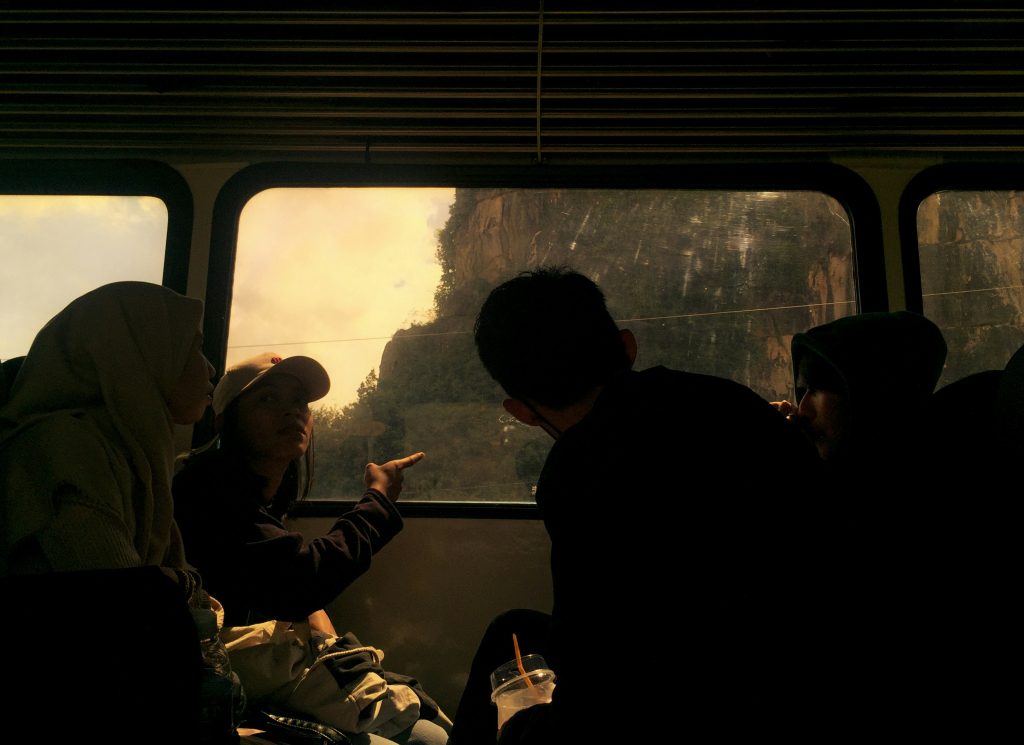
Here are the most important things every traveler should know before they visit Cambodia.
- Cambodia has two main seasons: the dry season and the wet season (or rainy season). Heavy rainfall may cause flooding in some areas.
- Avoid tap water and always drink bottled water, which is widely available in Cambodia.
- Medical facilities in Phnom Penh and Siem Reap reach near international standards, but clinics in rural or remote areas in Cambodia may be limited.
- Carry insurance that includes medical evacuation, especially if visiting islands or rural provinces in Cambodia.
- Cambodia has strict local laws regarding drugs—violating immigration laws or drug laws can lead to serious penalties.
- Cambodia uses tuk tuks, ride-hailing app services, buses, and ferries. Shared taxis are common in rural areas.
- Expect relaxed roads and little traffic in rural provinces, but busy conditions in Cambodia’s larger cities.
- Always respect Cambodia’s religious sites and cultural traditions.
Do and Don’ts When Travelling to Cambodia
Do Dress Respectfully When Visiting Temples
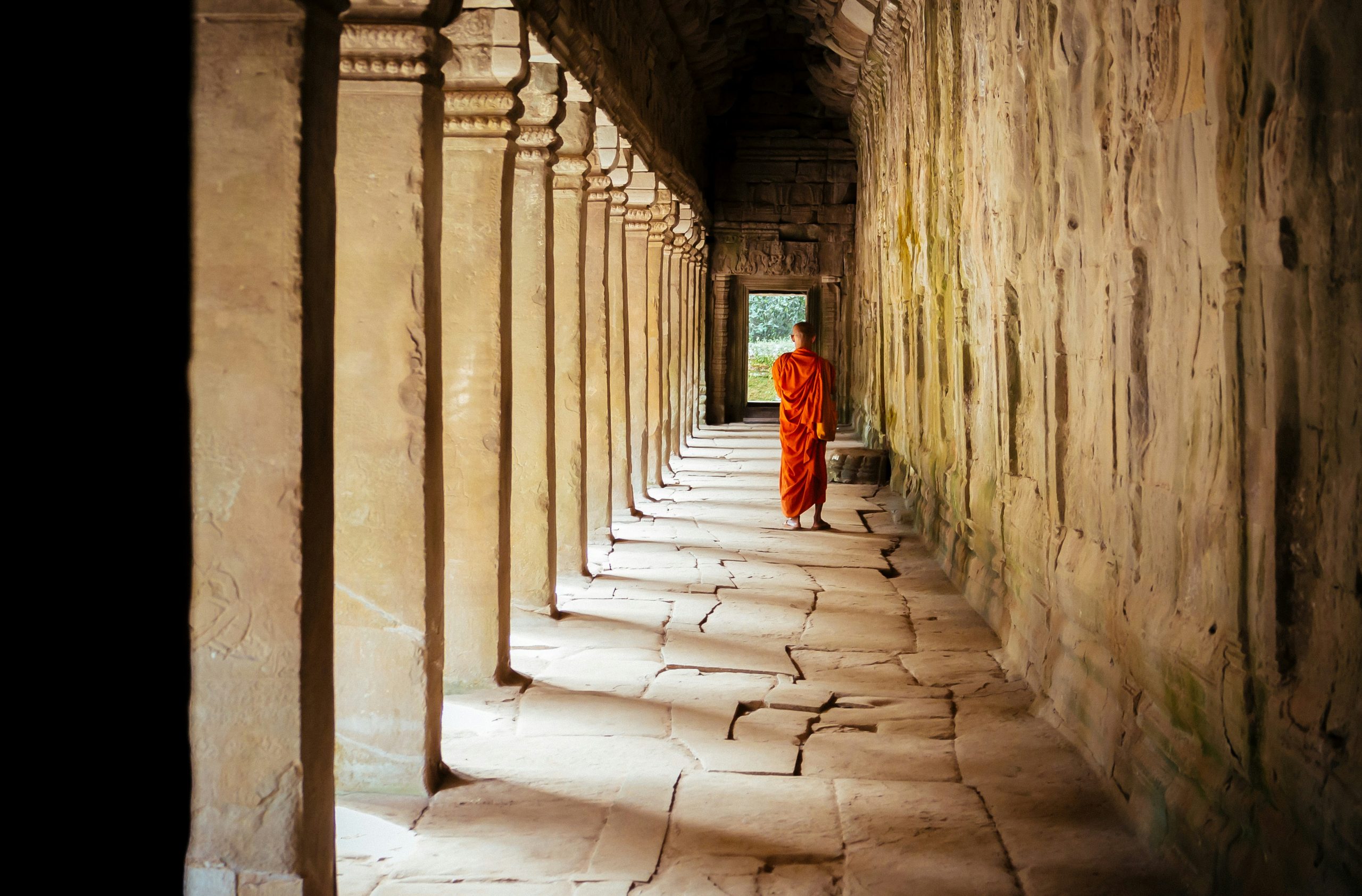
Wear clothing that covers your shoulders and knees. Temples in Cambodia are sacred spaces, and appropriate dress shows respect for monks and local customs.
Do Protect Yourself During the Wet Season
Use insect repellent to prevent mosquito bites, especially during the rain when insects are more active.
Do Carry Bottled Water
Avoid tap water at all times, as it is not safe for drinking in Cambodia. Always carry bottled water when exploring cities, rural areas, or remote regions.
Buying sealed bottled water is easy in markets, convenience stores, and even small village shops, and it helps prevent stomach issues that could disrupt your trip.
Do Respect Local Police, Monks, and Elders
Cambodian culture places strong emphasis on respect. Always be polite, avoid raising your voice, and follow instructions from authorities.
Do Carry Sunscreen, Cash, and a Photocopy of Your Passport
Sun exposure can be intense, and cash is widely used in Cambodia. Keeping a passport copy is helpful if you need identification during travel.
Do Take Licensed Tuk-Tuks, Especially at Night When Dangers like Theft or Sexual Assault are Common
Licensed tuk-tuks and ride-hailing services provide safer transportation in Cambodia, particularly after dark or in crowded tourist areas, helping reduce risks related to petty crime or sexual assault.
Don’t Touch Someone’s Head or Point Your Feet at People or Buddha Images
The head is considered sacred in Cambodia, and pointing feet is disrespectful. Mind your posture when sitting or taking photos in cultural spaces.
Don’t Use or Carry Illegal Drugs
Drug laws in Cambodia are strict, and penalties are severe. Avoid any involvement with illegal substances to prevent legal trouble.
Don’t Take Photos of Government Buildings or Sensitive Sites
Security zones often forbid photography. Always check for signs or ask permission before taking photos when touring Cambodia.
Don’t Disrespect Cultural Spaces Like Pagodas or Homes
Show mindfulness in religious and private areas. Remove your shoes, speak softly, and follow local etiquette.
Don’t Get Into Arguments With Locals
Cambodian culture favors harmony. Staying calm and polite goes a long way when resolving misunderstandings.
Cambodia Tour: Everything to Know
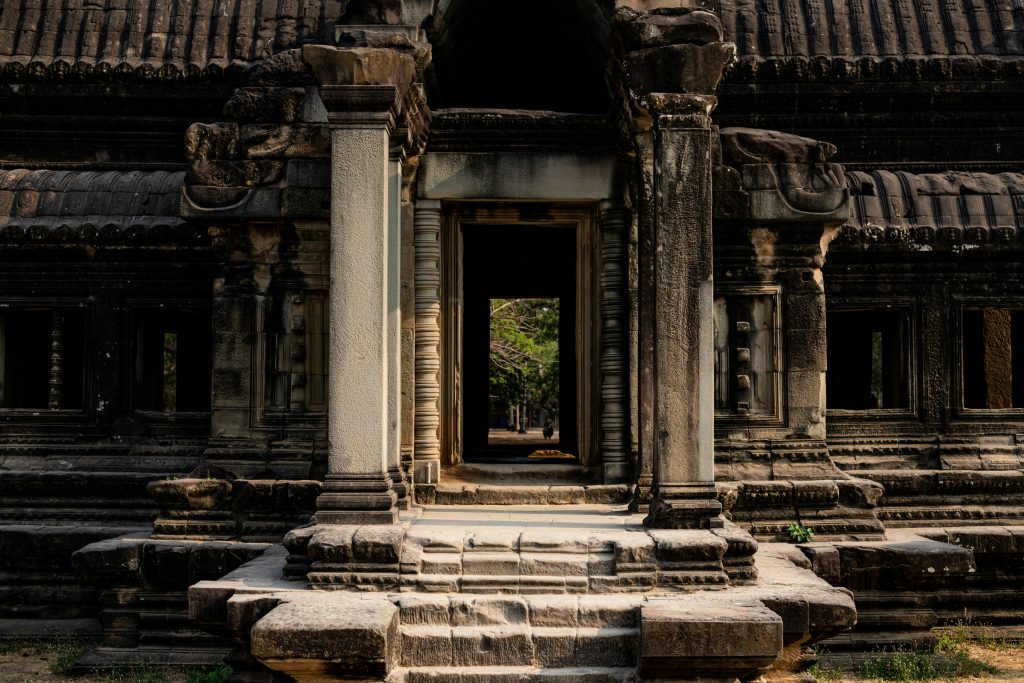
Siem Reap
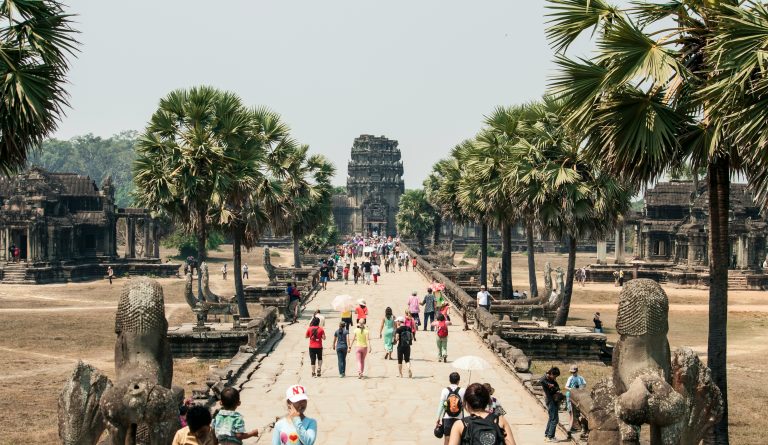
Siem Reap is Cambodia’s top tourism hub and home to Angkor Wat and hundreds of historical structures. Foreign tourists often base themselves here to admire the intricate carvings and explore the massive temple complex.
From tuk tuk rides to street markets and nightly food stalls, Siem Reap blends heritage with fun. You can also explore floating villages, day trips to Phnom Kulen Park, and vibrant nightlife.
Phnom Penh
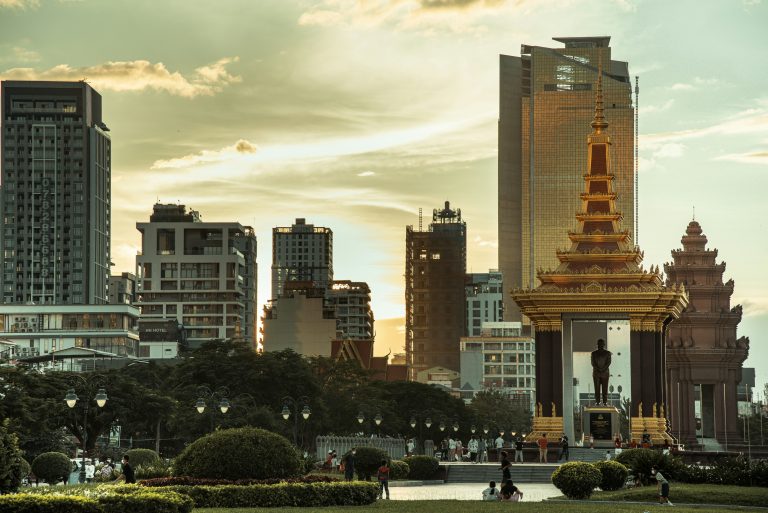
Phnom Penh, the capital of Cambodia and one of its busiest cities, mixes traditional culture with modern cafés, hotels, and shopping centers. Travelers can visit the National Museum, Royal Palace, and markets, or take tuk-tuks to riverside restaurants.
Phnom Penh also holds Cambodia’s deepest historical reminders, including the Tuol Sleng Genocide Museum, which is important for understanding the era of the Khmer Rouge.
Angkor Wat
While Siem Reap and Phnom Penh get all the attention, no trip to Cambodia is complete without visiting Angkor Wat. This UNESCO World Heritage Site is famous worldwide for its towers, carvings, and spiritual atmosphere.
Plan to spend a full day exploring the temples, including Bayon, Ta Prohm, and Preah Khan. Sunrise at Angkor Wat is a once-in-a-lifetime experience.
Phnom Kulen National Park
Located north of Siem Reap, Phnom Kulen offers lush waterfalls, forest hiking, sacred temples, and amazing viewpoints. It’s a refreshing escape from the heat of the city and makes a great nature day trip.
Floating Villages
Cambodia’s floating villages offer a unique look at daily life along the Tonle Sap Lake. Wooden homes, boat markets, and fishing traditions showcase an authentic lifestyle far removed from the main tourist trails. Many guided tours combine floating villages with other temples and wildlife experiences.
Koh Kong
The province of Koh Kong, located near the Thailand border, is one of Cambodia’s most underrated destinations. It’s home to dense forests, rivers, waterfalls, and eco-lodges.
Travelers enjoy kayaking, wildlife spotting, and relaxing away from the crowds. It’s a good spot to visit after exploring Phnom Penh.
Killing Fields
The Killing Fields refer to a network of mass execution and burial sites across Cambodia that were used during the Khmer Rouge regime from 1975 to 1979. Under the rule of Pol Pot, an estimated 1.7 to 2 million Cambodians died through forced labor, starvation, torture, and execution.
The fields are an important part of Cambodia’s modern history. Many travelers visit to understand the impact of the Khmer Rouge, pay their respects, and gain insight into the resilience of the Cambodian people.
How Many Days in Cambodia is Enough?
For first-time travelers, a few days in Cambodia are enough to see the highlights of Phnom Penh and Siem Reap. However, staying one to two weeks allows you to explore all the temples, rural provinces, local markets like the Russian Market, and islands like Koh Rong or Koh Rong Samloem. Many travelers say 7–10 days is ideal for a comfortable trip to Cambodia.
Travel Safety in Cambodia
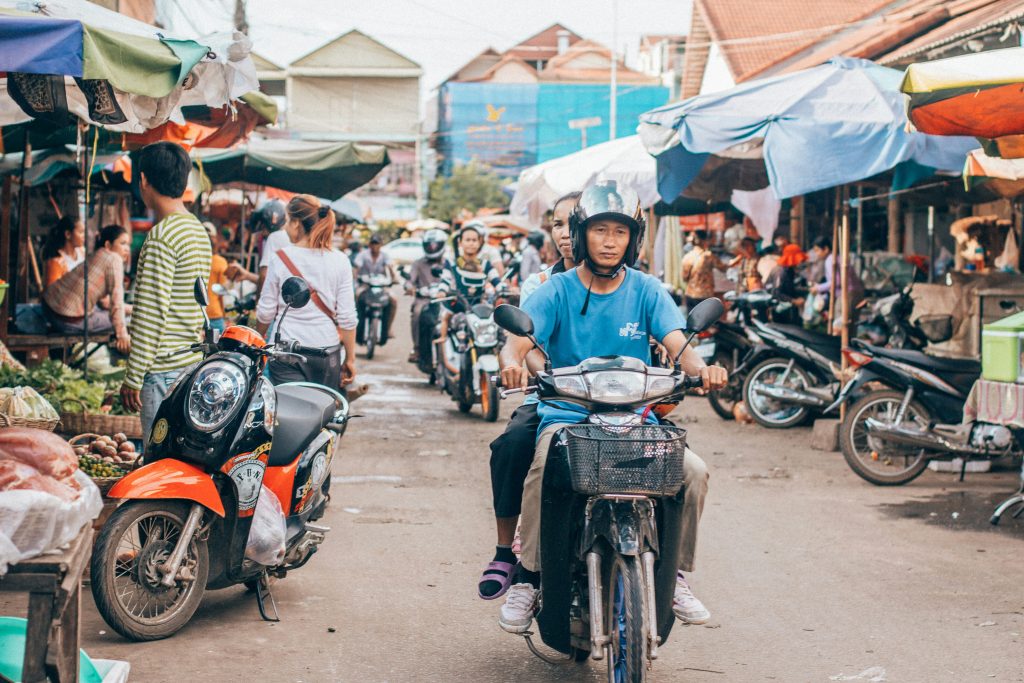
Cambodia is generally safe for tourists, especially in popular tourist destinations like Phnom Penh, Siem Reap, and the beach areas of Koh Rong and Koh Rong Samloem. Safety and infrastructure have improved significantly over the last decade, making travel more convenient and organized for visitors.
However, like any destination, staying aware of your surroundings is important. Petty theft can occur in crowded tourist areas, especially around markets, nightspots, public transportation, and bus stations in Phnom Penh. Travelers should always think about their personal security when going around Cambodia.=
The country continues to make progress with security and tourism standards, but you should take the same precautions you would anywhere else in the world: avoid displaying expensive mobile phones, take licensed tuk-tuk rides, and keep valuables secure.
Local authorities are generally helpful, and local police stations are available in large cities, like Phnom Penh, if you need assistance.
Medical Facilities and Medical Care in Cambodia
In major cities like Phnom Penh and Siem Reap, many clinics operate close to international standards. However, medical facilities in rural areas can be limited.
Always carry medical insurance, especially if planning to explore remote areas, islands, or national parks. Only use reputable clinics and avoid purchasing from local pharmacies that might sell fake medication.
Observing Local Laws
When you’re in Cambodia, respect all local laws. Using drugs, carrying weapons, photographing security areas, or violating immigration protocols can lead to severe penalties. Cooperate with local authorities, avoid arguments, and immediately request a police report in case of theft or lost documents.
Final Travel Tips for a Smooth Trip to Cambodia
- Use a ride-hailing app when possible
- Keep your passport secure
- Do not drink tap water
- Carry cash in small bills
- Be cautious with street vendors selling mobile phones or medicine
- Dress respectfully when visiting temples
- Confirm flights with reliable airlines like Singapore Airlines
Cambodia is an unforgettable destination filled with history, culture, and incredible landscapes. With the right preparation, respect for the culture, smart planning, and awareness of laws, your trip will be safe, memorable, and deeply rewarding.
Frequently Asked Questions
Is Cambodia worth visiting for tourists?
Absolutely. Many travelers consider Cambodia one of the most rewarding countries to visit. The nation blends ancient wonders with modern experiences: explore the detailed, intricate carvings of Angkor Wat, wander all the temples around Angkor Archaeological Park, relax on white sand beaches, discover floating villages, and enjoy some of the most delicious food in the region.
Cambodia is also rich in cultural depth, historical insight, and warm hospitality. From the vibrant nightlife of Phnom Penh to peaceful rural areas and remote areas, the country offers something for every traveler.
Is Cambodia cheap or expensive?
Cambodia is considered one of the most budget-friendly countries in Southeast Asia. You can find hostel dorms, shared taxis, and guesthouses at very low costs. Street food is affordable, and transportation like buses and tuk-tuks is inexpensive.
While major cities are more costly than rural areas, Cambodia remains cheaper than nearby destinations like Thailand or Vietnam. Be prepared to use both USD and Cambodian riel, and always watch out for counterfeit bills or fake money.