
Quick Facts
- Official Name: People’s Republic of China (Zhōnghuá Rénmín Gònghéguó)
- Capital: Beijing
- Land Area: Approximately 9.6 million km²
- Population: More than 1.4 billion people
- Currency: Renminbi (Yuan)
- Principal Language: Standard Chinese (Mandarin Chinese), Beijing dialect
- Government: One‐party communist government under the Chinese Communist Party
- Coastlines: Bordering the East China Sea, the South China Sea, the Yellow Sea, the Korea Bay, and the Pacific Ocean
- Major Rivers: Yangtze River, Yellow River
- Highest Geographic Point: Mountain ranges, including the Himalayas near Mount Everest
Overview of the People’s Republic of China
The People’s Republic of China is a populous country — diverse and dynamic — that has evolved from ancient China through dramatic political and social upheavals.
With China established in 1949 after the civil war that ended the leadership of the Republic of China on the mainland, the Chinese state has pursued rapid industrialization and global engagement under the leadership of the Chinese Communist Party.
The government of China now presides over one of the world’s second-largest economies and exerts significant influence in East Asia and beyond.
China Geography
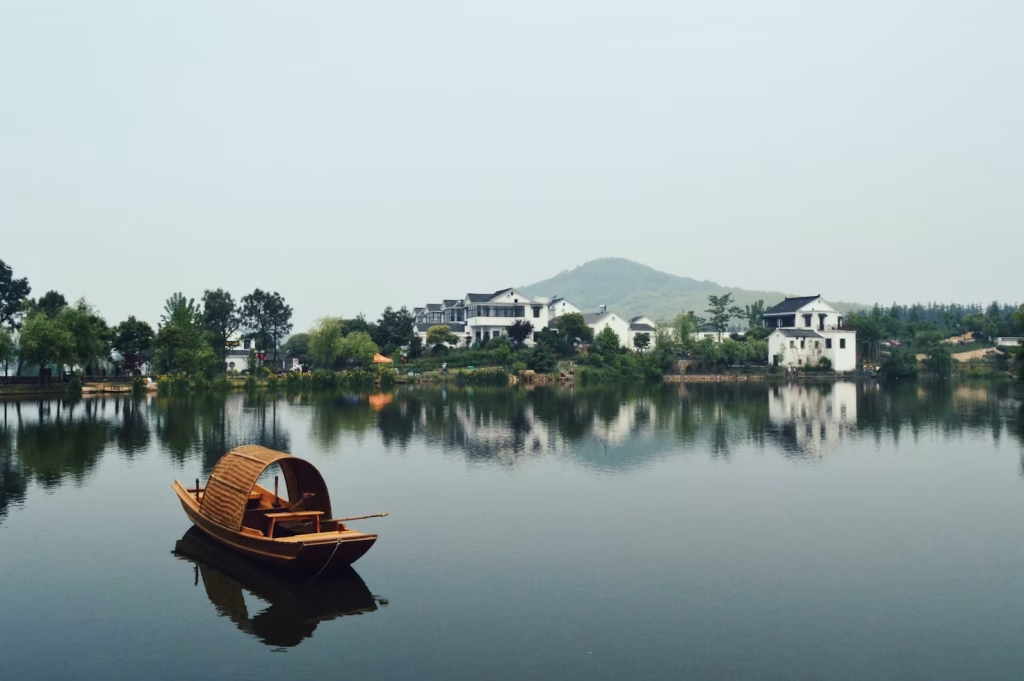
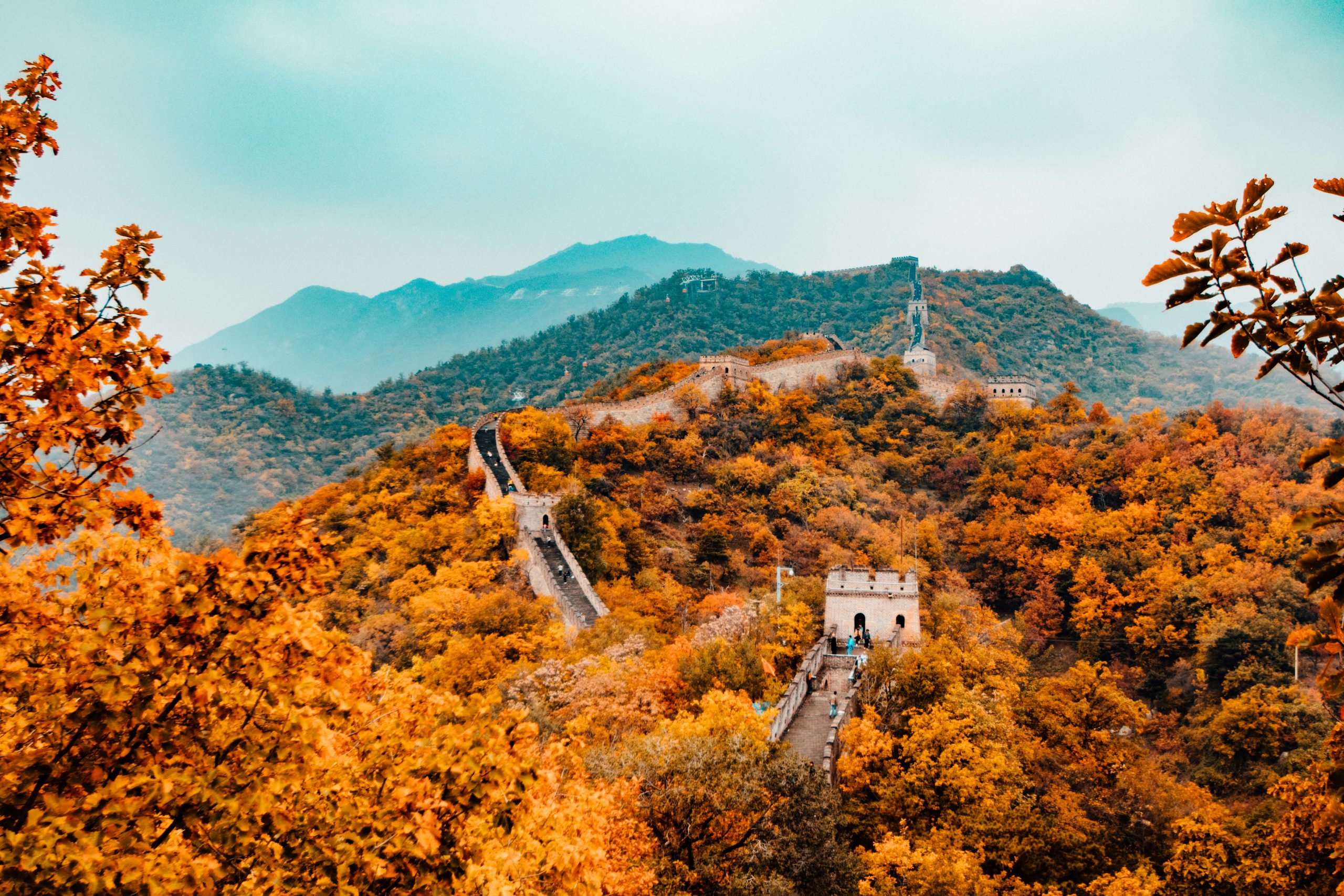
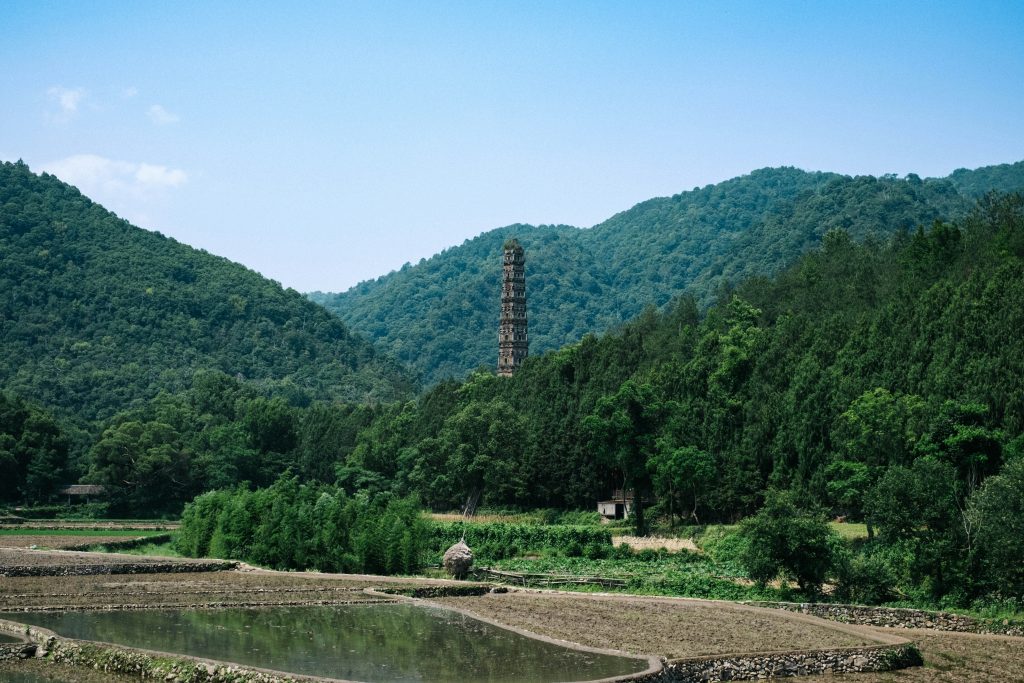
China consists mostly mountains, high plateaus, and vast river plains, making its terrain one of the most varied in the world. Covering large parts of eastern Asia, China stretches from the Pacific Ocean coastlines across the East China Sea and South China Sea to the rugged western regions.
The Yellow River and the Yangtze River cross great distances, supporting agriculture, civilization, and migration. China’s landscape also includes the Sichuan Basin, with western regions that are mostly mountains and sparsely populated. In the northeast, the terrain slopes toward the Korea Bay, providing a natural maritime outlet to neighboring North Korea.
China is rich in natural resources, but it also faces challenges such as soil erosion, water pollution, and air pollution in some regions. Its vast ecosystems sustain thousands of plant and animal species, including several endangered species unique to its mountainous and coastal environments.
These varied landscapes have influenced the settlement patterns and cultural diversity of China’s ethnic groups, with Han Chinese communities historically concentrated in fertile river valleys and plains. In addition to its vast rural areas, major cities like Beijing, Shanghai, Guangzhou, and Shenzhen drive economic growth and cultural exchange.
History of China: Ancient China and Modern China
With one of the world’s oldest recorded histories, China’s civilization dates back thousands of years. Ancient China began with dynasties like the Qin Dynasty, which in 221 BCE first unified the country under imperial rule. In 1911, the Qing Dynasty replaced centuries of imperial tradition with the emergence of the Republic of China, marking a major shift in the nation’s governance.
A civil war between the Communist Party and the Nationalists ended with the founding of the People’s Republic of China on 1 October 1949. That marked the start of China’s centrally planned system, which later shifted to a socialist market economy.
Major episodes in Chinese history, such as the Cultural Revolution and the Great Leap Forward, deeply shaped society, politics, and development. Today, China’s development reflects both its ancient civilization roots and its current ambitions in the modern world.
People, Ethnic Groups, and Culture

The Han Chinese group constitutes the vast majority of the population in China, representing more than one-fifth of the world’s people.
But China is home to many ethnic minorities, such as the Zhuang, Hui, and Tibetan peoples, who contribute significantly to its cultural richness. With over 1.4 billion people recorded in its census, China recognizes 56 nationalities under its ethnic groups entry, reflecting the nation’s cultural and demographic variety.
Languages such as Standard Chinese and various regional and minority languages reflect China’s cultural diversity. Minority languages are spoken by many groups across China’s western and southern provinces, but Standard Chinese, based on the Beijing dialect, is the official language and serves as a unifying means of communication among diverse regions.
In policy discussions, the ethnic groups entry framework guides how local governments implement cultural preservation programs and regional autonomy measures for minority populations in China.
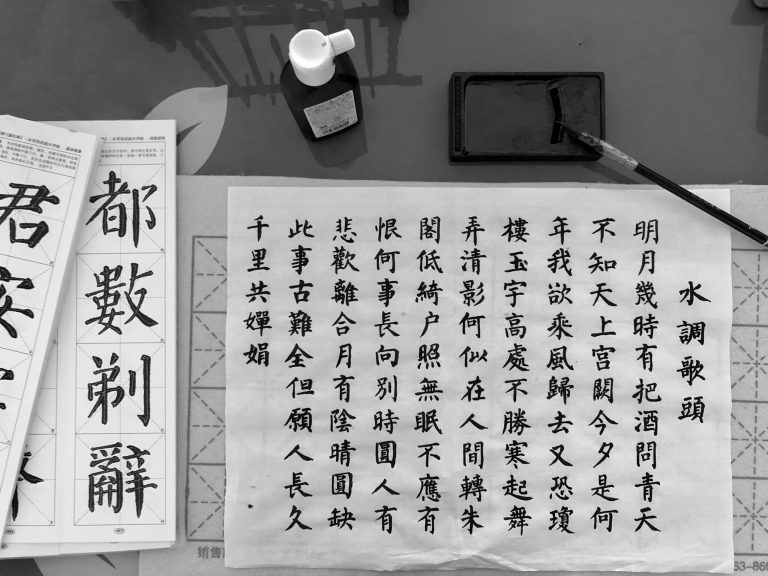
Chinese culture is deeply rooted in traditions such as folk religion, Confucianism, and Taoism, and remains influential. As China transitioned into modernity, the interplay of ancient culture and contemporary society has given rise to dynamic change in cities and rural areas alike.
Government, Political Structure, and National People’s Congress
China is governed by the Chinese Communist Party, where ultimate authority rests with the central leadership via bodies such as the Central Military Commission and the State Council. The top decision-making body, the seven-member Standing Committee, directs national policy and leadership priorities in China.
The National People’s Congress membership is large, and votes—typically by a two-thirds majority vote in major matters—are often directed in line with party policy. The National People’s Congress vote process follows party direction, ensuring consistency in major national decisions.
The Chinese government includes local governments, ministries, and the central government hierarchy. The Premier leads the State Council under the Party’s general secretary. The vice-president, indirectly elected through the National People’s Congress, assists the president in carrying out state functions and may represent China in diplomatic and ceremonial affairs when authorized by the central leadership.
China’s political structure also includes special administrative regions, such as Hong Kong and Macau, which operate under China’s ‘one country, two systems’ framework. The political model of modern China emphasizes centralized leadership and coordinated planning.
Economy, Natural Resources, and Natural Gas
China’s economy has seen a rapid transformation since reforms began in 1978. With mining and ore processing, machine building, gas development, and high-tech manufacturing, China is one of the world’s second-largest economies by nominal GDP.
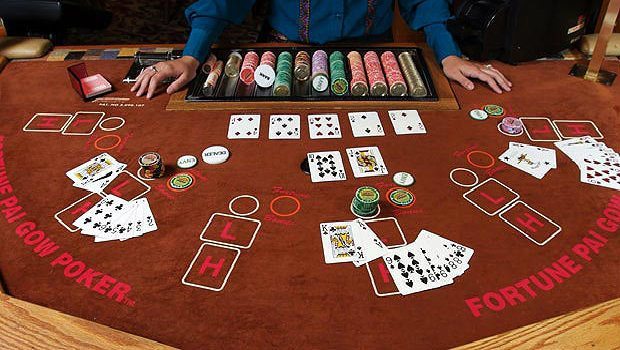
In addition to manufacturing and technology, China’s entertainment and gaming industries have also expanded. While offline casinos are restricted to China’s special administrative region of Macau, the sector remains a major contributor to tourism and foreign exchange. Meanwhile, interest in online casinos and digital gaming platforms continues to grow globally, influencing how China approaches technology regulation and cross-border digital entertainment.
China’s natural resources remain substantial, but the government is working to transition toward sustainable growth. Natural gas and other energy sources are becoming more prominent as China addresses climate change and ship pollution, even while carbon emissions remain high and environmental degradation, such as water pollution and soil erosion, is being tackled.
Foreign Trade, Environment, Carbon Dioxide Emissions, and Challenges
China is deeply integrated into global markets through trade and investment, and it also plays a major role in world civilization and global commerce. China’s activities in the South China Sea and East China Sea reflect maritime strategic interests in addition to economic ones.
China faces serious environmental challenges: air pollution, water pollution, erosion, and rising carbon emissions linked to industrial growth. China’s commitments to climate change agreements and ozone layer protection are increasingly part of its development strategy.
China has also participated in international agreements for environmental conservation, including the climate change Kyoto Protocol, as part of its efforts to reduce carbon emissions and address environmental degradation.
Country Profile Summary
This country profile of the People’s Republic of China highlights its geography, history, society, government, economy, and environmental challenges. China’s evolution from ancient dynasties to its modern state includes many notable earlier dates, such as the unification under the Qin Dynasty in 221 BCE and the fall of the Qing Dynasty in 1911.
Across China’s vast territory, a variety of languages, Standard Chinese being the most prominent, are spoken alongside numerous regional and minority dialects. With one of the world’s largest populations, a mix of ethnic minorities, and a government that directs national strategy, China remains central to global affairs.
China’s abundant natural resources, emerging technologies, and global trade links underscore its role as one of the most important countries in the world today. As one of the major powers in East Asia, China’s influence extends across politics, trade, and culture.