

Tips for Travelling to China
China is one of the world’s most fascinating destinations. When you visit China, you’ll discover cities filled with modern skylines, ancient cultural sites, and vibrant markets.
China travel takes you through an entire country that ranges from big cities like Beijing and Shanghai to rural areas in Inner Mongolia and the Tibetan Autonomous Prefectures. The culinary delights alone—from spicy food in Sichuan to the street food found in most cities—can make your China tour an unforgettable experience.
Whether it’s your first trip or you’ve been to other countries in Asia, China offers popular attractions such as the Forbidden City, the Great Wall, and Nanjing Road. Before you begin your journey, here are the essential tips that will help you exercise caution, follow local laws, understand travel restrictions, and navigate mainland China, Hong Kong SAR, and other regions smoothly.
Enter China: Travel Documents and Visa Requirements
Tourist Visa
Most visitors from Western countries need a tourist visa. Apply at a Chinese Embassy or Consulate General.
Travel Documents
Ensure your passport has six months of validity. Depending on your nationality, some regions require additional permits.
Exit Ban
China can impose curfews or an exit ban on individuals involved in legal cases. Always comply with local Chinese laws and foreign affairs regulations.
Etiquettes to Observe in China
Being a traveller in a foreign country means understanding the values that locals follow. China has its own unique customs, especially around food, communication, and personal behavior. Here are the dos and don’ts to know before entering city centers, rural areas, and major cultural destinations.
Do Learn Basic Phrases
Chinese people appreciate visitors who practice English or try learning some Chinese. You don’t need to be fluent—simple phrases like hello, thank you, or asking for directions are enough to show respect.
Do Be Aware of Personal Space
Chinese personal space norms vary depending on location. In big cities, crowds are normal, especially in public transport or public restrooms. In rural areas, interactions may feel more relaxed.
Do Prepare for Squat Toilets
Most places have modern facilities, especially in hotels, but squat toilets are still common in public restrooms, train stations, and older areas. Bring hand sanitizer and tissues.
Do Expect Security Checks
Airports, train stations, and even some public transport hubs have routine security checks. These vary but are standard across the country.
Do Respect Cultural Areas
Chinese places like the Tibetan Autonomous Prefectures and the Tibet Autonomous Region require visitors to follow strict rules. Exercise caution and follow instructions from your tour guide or local authorities.
Don’t Rely Fully on International Credit Cards
While major Chinese cities accept credit cards, many small shops and markets prefer mobile payments. Carry cash when possible.
Don’t Expect Everyone to Speak English
Although English is spoken in some major cities, most Chinese residents may not speak English. Translation apps like Google Translate are your best bet.
Don’t Ignore Local Laws
China has strict rules on photography, drone use, and discussions about national security. Avoid photographing government buildings or police presence, and never discuss Chinese state secrets or share private electronic messages with strangers.
Visitors should be aware that some regulations may involve arbitrary enforcement depending on the region.
What to Know When Drinking and Eating in China
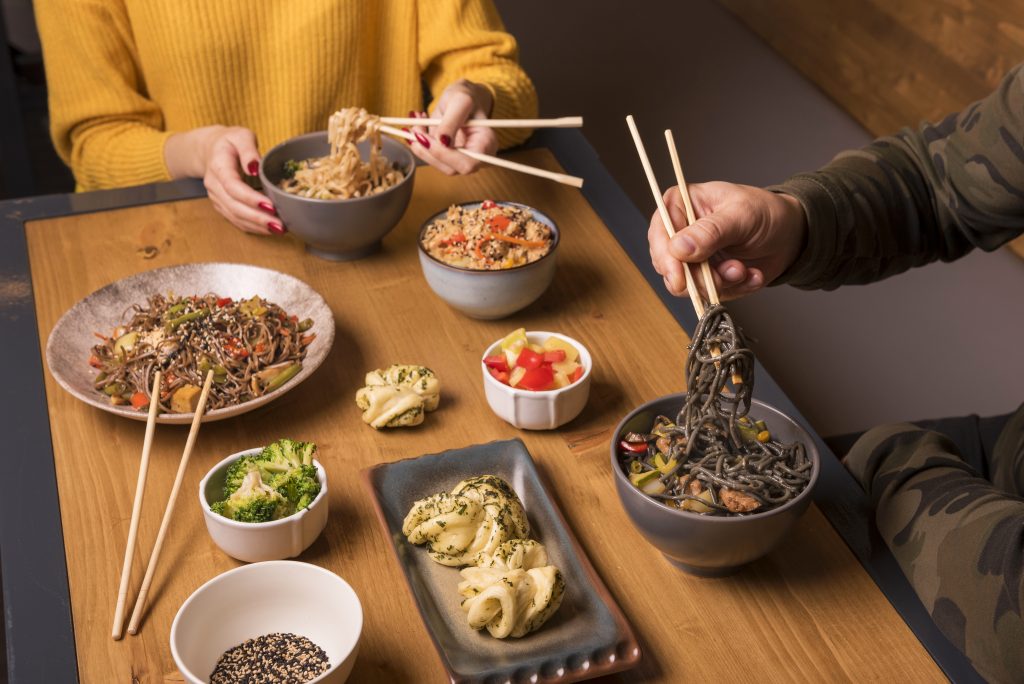
Chinese culinary delights are a major highlight of visiting China. However, food culture also comes with certain customs.
Do Enjoy Regional Dishes
China’s food culture varies greatly. Sichuan offers spicy food, northern provinces offer wheat-based dishes, and coastal regions focus on seafood. Explore local markets for fresh street food at affordable prices.
Do Share Dishes
Most meals are served in a communal style. Sharing is normal, and dishes rotate on a lazy Susan.
Do Use Both Hands When Passing Items
When handing food, drinks, or gifts, use both hands to show respect.
Don’t Stick Chopsticks Upright
Just like in other countries in Asia, sticking chopsticks upright symbolizes offerings for the dead.
Don’t Waste Food
Locals value finishing what’s on their plate. Eat only what you can finish.
Travelling Around China: High Speed Trains and Transport
Travelling across China is convenient and efficient thanks to its extensive network of high-speed trains, overnight routes, and well-developed public transportation systems.
Do Try High Speed Trains
These trains connect major cities like Beijing, Shanghai, Guangzhou, and Xi’an. For short distances, they’re often faster than flying.
Do Book Overnight Trains Early
These trains are popular among travellers and locals. They offer soft-sleeper and hard-sleeper options.
Do Prepare Your Google Maps and Other Navigation Options
Google Maps has limited accuracy in China. Apple Maps is generally better, and some local apps require a Chinese phone number. Always download offline maps before travelling.
Don’t Expect Ride-Sharing Everywhere
Most cities have options like taxis or subways, but remote regions might not.
Practices to Observe When Visiting a Chinese Home
If you are invited to a home when you visit China, these traditions will help you respect local culture.
Do Remove Shoes Before Entering
Most homes expect guests to remove their footwear before stepping inside.
Do Bring a Small Gift
Fruits, pastries, or small souvenirs are appreciated.
Do Follow Seating Arrangements
Elders usually sit first. Younger guests wait to be invited to sit.
Don’t Touch Someone’s Head
This is considered impolite in many parts of China.
Don’t Place Feet on Furniture
Feet should never rest on chairs, tables, or pillows.
Don’t Walk Over Someone Resting
If someone is seated or lying down, always walk around them, not over them.
China Tour: Safety, Tips, and Regional Awareness

When planning a China tour, exercise caution and be aware of regional rules.
Mainland China
Expect cultural differences between city centers and rural regions. Most hotels accept passports for check-in, but some smaller inns may refuse foreigners or require additional verification for other services such as luggage storage or Wi-Fi access.
Payment apps dominate daily life. Credit cards work only in big cities, and it’s best to carry cash for small shops and markets.
Tibet Autonomous Region
Requires special permits, and tours here must be booked through a licensed tour operator.
Xinjiang Uyghur Autonomous Region
Expect more security and a higher police presence.
Hong Kong SAR
Hong Kong SAR has different local laws, currency, and travel restrictions compared to mainland China, which means your experience in Hong Kong can feel very different from travelling on the mainland.
English is more commonly spoken in Hong Kong, making it easier for first-time travelers to ask for directions, navigate public transportation, or communicate with service staff.
Because Hong Kong operates under its own administrative system, visitors should also stay aware of regional regulations and any updates to Hong Kong travel requirements before crossing the border.
Forbidden City
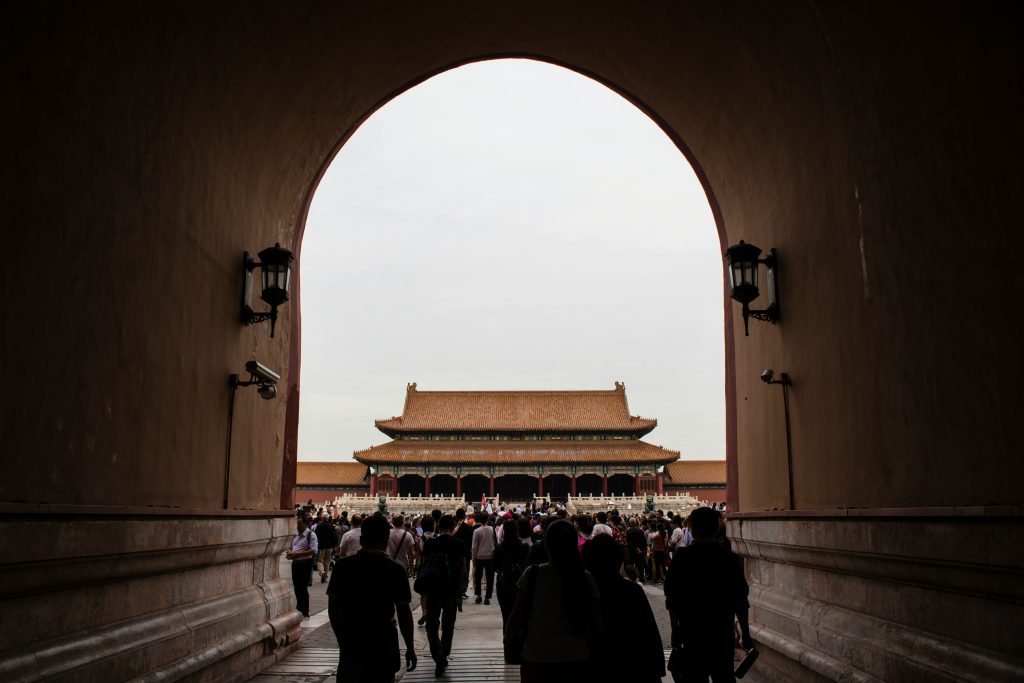
This is one of China’s most iconic cultural sites. Book tickets early, as daily limits apply and schedules can change at short notice.
Great Wall
Visit early morning to avoid crowds. Wear comfortable shoes, and bring water. Sections near Beijing are busiest, while rural stretches offer quieter experiences.
Travel Safety in China
Staying safe while travelling in China is generally straightforward, but you should still take practical precautions—especially when moving between major cities, rural provinces, and autonomous regions. Here are the key safety guidelines to keep in mind throughout your trip.
Stay Aware of Your Surroundings
China’s major cities, train stations, and tourist sites can get extremely crowded. Keep valuables close to your body, avoid leaving bags unattended, and be cautious of pickpockets in busy areas like markets, subway lines, and popular attractions.
Use Only Registered Transport
Whether you’re using a taxi, local ride-hailing apps, or private transfers arranged through a tour, choose registered vehicles. Avoid unmarked taxis, especially at airports or major train stations. Drivers in unlicensed cars may charge higher fees or take unsafe routes.
Protect Your Personal Information
Internet access in China works differently due to national regulations. Avoid logging in to sensitive accounts on public Wi-Fi, and never share personal information—especially passport details or private messages—with strangers. Use secure networks when possible.
Follow Local Weather and Environmental Alerts
China’s climate varies greatly by region. Some areas experience sudden rainfall, sandstorms, or extreme cold. Check local weather reports and pack according to the season. High-altitude destinations such as Tibet or Yunnan Province may cause altitude sickness; take it slow and stay hydrated.
Keep Medicines and Essentials Accessible
Carry essential medications, first-aid supplies, and any prescriptions in their original packaging. Some foreign medicines may not be widely available in local pharmacies. Keep your hotel address written in Chinese to show taxi drivers or local staff.
Avoid Political Discussions and Restricted Areas
China enforces strict laws on national security, photography, and political discussion. Avoid restricted zones, military facilities, protest areas, or any situation involving police activity. When uncertain, follow posted signs or ask your tour guide.
Stay Connected and Communicate Plans
Share your itinerary with family or friends, especially if travelling to rural regions, national parks, or mountainous areas. Mobile signal is strong in major cities, but can be weaker in remote villages or nature reserves. Consider purchasing a local SIM card for more reliable coverage.
Know Emergency Contacts
Keep a list of important numbers, including your hotel, travel agency, and embassy or consulate general. In emergencies, the national police hotline is 110, medical emergencies are 120, and firefighters can be reached at 119.
Consular Assistance: What to Do in Emergencies
Contact your embassy or consulate general if you lose your passport, face travel restrictions, or encounter legal trouble. Prison officials must allow communication with diplomatic representatives.
National Security: Digital and Communication Guidelines
Be aware that China has strict national security laws. Avoid discussing politics, military sites, or state secrets. Authorities may review private electronic messages if required. Should you lose your passport or require help, consular assistance from your embassy is essential.
Essential Tips for a Smooth Trip
- Carry hand sanitizer
- Download offline translation tools
- Bring printed copies of reservations
- Monitor local media for sudden travel changes
- Buy travel insurance covering extended periods
- Learn basic phrases for taxis and restaurants
Common Myths About Travelling to China
Communicating With Chinese Locals Is Difficult
The Truth: Many people in major cities know English or understand simple phrases. In smaller cities, translation apps like Google Translate work best. Locals often communicate indirectly and may nod or smile even if they don’t fully understand.
China Still Has Limited Internet
The Truth: The People’s Republic of China does restrict certain websites. Google Maps may not work accurately in all regions, but Apple Maps works better. Some tour operators provide local SIM cards. Translation apps still function, but download offline packages before travelling.
All of China Has Bad Air Quality
The Truth: Air quality varies greatly. Big cities may have smog on certain days, while rural highlands often have clean air. Monitor local media reports for updates.
Frequently Asked Questions
Is it safe to travel to China right now?
China is generally safe for travelers, especially in big cities. Exercise caution in remote areas, monitor local media, and follow local laws.
Can US citizens still travel to China?
Yes. US citizens can enter China with a valid visa.
Is China friendly to American tourists?
Yes. Most locals are welcoming, curious, and may even speak in English with you.
What is the 3-hour rule in China?
It refers to scheduling transfers: allow at least three hours between international and domestic flights due to security and immigration queues.
What should I know before going to China?
Expect cultural differences, limited use of international credit cards, strict local laws, squat toilets in some areas, and varying air quality across regions.
What can $1 get you in China?
In many places, $1 can buy bottled water, street snacks, or subway rides in certain cities.
Should I wipe my phone before going to China?
Some travelers from Western countries prefer to minimize sensitive data due to national security regulations. Use a clean device if concerned.