
Where to Live in China
China is a large country with a rich history, deeply rooted culture, modern landscapes, and several vibrant metropolis hubs that attract expats, foreign students, and digital nomad professionals.
Whether you want to live in China for job opportunities, to learn Chinese, or to experience life in one of the world’s most diverse regions, the country offers a wide range of choices. From cities in the east to quiet towns in Sichuan Province, China offers a dynamic mix of ancient charm and rapid economic development.
If you are considering a move, this guide helps you understand the best cities to live in, which offer the best experience, and how to navigate day-to-day life in a new country.
What are the Best Places to Live in China?
Best Big Cities and Provincial Areas for Expats and Foreigners
China’s best cities offer different lifestyles depending on your preferences. Below are the most expat-friendly cities with strong job markets, established communities, and well-developed public transportation.
Shanghai
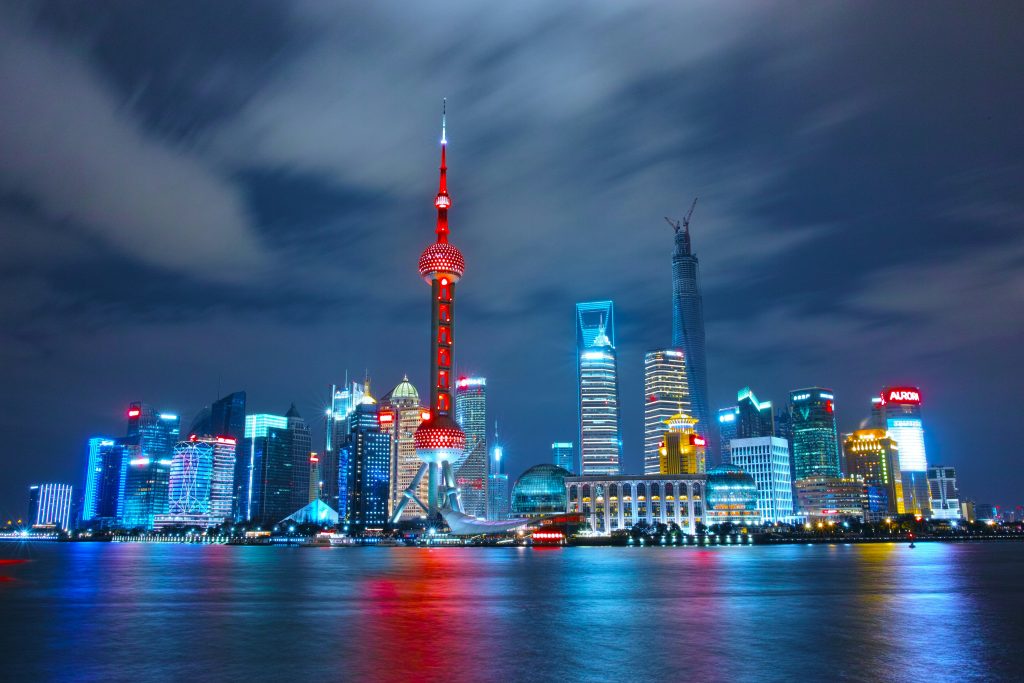
Shanghai is often considered the best city for expats who want a fast-paced lifestyle in a sprawling metropolis. Known for its iconic landmarks, futuristic skyline, and bustling energy, Shanghai blends Western and Chinese culture, making it easy for newcomers to adjust.
Shanghai is home to financial districts, multinational companies, international schools, and a highly active job market. Many foreign students choose Shanghai to learn Mandarin Chinese because many locals also speak English.
With rich culture, historical landmarks like the Yu Garden, and a strong business environment, Shanghai is the best city for expats seeking business opportunities, comfort, and convenience.
Beijing
Beijing is deeply tied to China’s history. It’s the home of the Forbidden City, the Summer Palace, and easy access points to the Great Wall.
Beijing is a melting pot of landmarks and cutting-edge business districts. Beijing is also China’s political hub, a place where culture, governance, and education meet.
East Beijing is popular among expats because it has international restaurants, foreign embassies, and job opportunities in tech, media, and government-linked industries. Northern Beijing is home to several universities, including some of Asia’s biggest reputable institutions.
This area also attracts history buffs and nature lovers who enjoy ancient neighbourhoods, temples, and old hutong areas.
Shenzhen
Located near Hong Kong, Shenzhen is known as one of China’s best cities — the youngest and most technologically advanced. This vibrant metropolis has become a global tech powerhouse, home to Huawei, Tencent, and many other innovation-driven companies.
Shenzhen attracts young people, digital nomad workers, and expats who want to live in China without focusing heavily on traditional culture. Most buildings are modern, and English is widely used in business.
It’s one of the most comfortable places for foreigners living in China because of its clean design, coastal city atmosphere, and international job opportunities.
Hangzhou
Hangzhou is a scenic area surrounded by nature. It is known for West Lake, green tea plantations, and the traditional charm once described by Marco Polo. Hangzhou blends modern comfort with culture, making it the best city for nature lovers and expats who want a slower pace of life.
There are several universities here, including Zhejiang University, one of China’s top institutions, which attracts many international students. Business opportunities continue to grow, especially in technology and tea culture, making Hangzhou attractive for both career and lifestyle.
Guangzhou
Guangzhou is one of the Chinese cities with a long history linked to the Silk Road. It is located in southern China and is popular among expats because of its international trade, import-export businesses, and large city conveniences.
Guangzhou offers a relatively relaxed lifestyle compared to Shanghai and Beijing. It has a strong community, thriving markets, and major industries that hire foreigners, including those who teach English or work in logistics.
Where Do Most Americans and Foreigners Live in China?
Most Americans and foreigners tend to live in major cities like Shanghai, Beijing, Guangzhou, and Shenzhen. These cities offer better air quality management, bilingual services, and established communities of expats.
Many foreigners also choose Hangzhou and Chengdu in Sichuan Province for their more relaxed lifestyle and lower costs.
What is the Best Part of China to Live in?
Eastern China and east central China are the best cities preferred by expats because of their access to infrastructure, China’s healthcare system, and international airports. These regions include Shanghai, Hangzhou, Suzhou, and Nanjing—cities known for clean streets, modern transportation, and stable jobs.
Where is the Safest Place to Live in China?
China is generally safe, even in large cities. Violent crime is rare, and most expats report feeling comfortable in their neighborhoods. Cities like Hangzhou, Qingdao, and Suzhou often rank highest in safety and air quality.
Can a US Citizen Live Comfortably in China?
Yes. A US citizen can live comfortably in China with proper documentation, a work visa, and insurance. Most foreigners live in China comfortably due to affordable transportation, good salaries, and access to modern amenities. They find that daily life in China can be just as comfortable as in their home country once they adapt to the culture, transportation systems, and local services.
However, air pollution in a few places and language barriers can pose challenges, especially if you do not speak Mandarin.
Can Digital Nomads Live and Work Comfortably in China?
Yes. China is equipped with fast internet, reliable public transport, and modern co-working spaces, especially in its best cities like Shanghai, Shenzhen, and Hangzhou. These cities offer everything remote workers need for day-to-day living.
Cost of Living in China
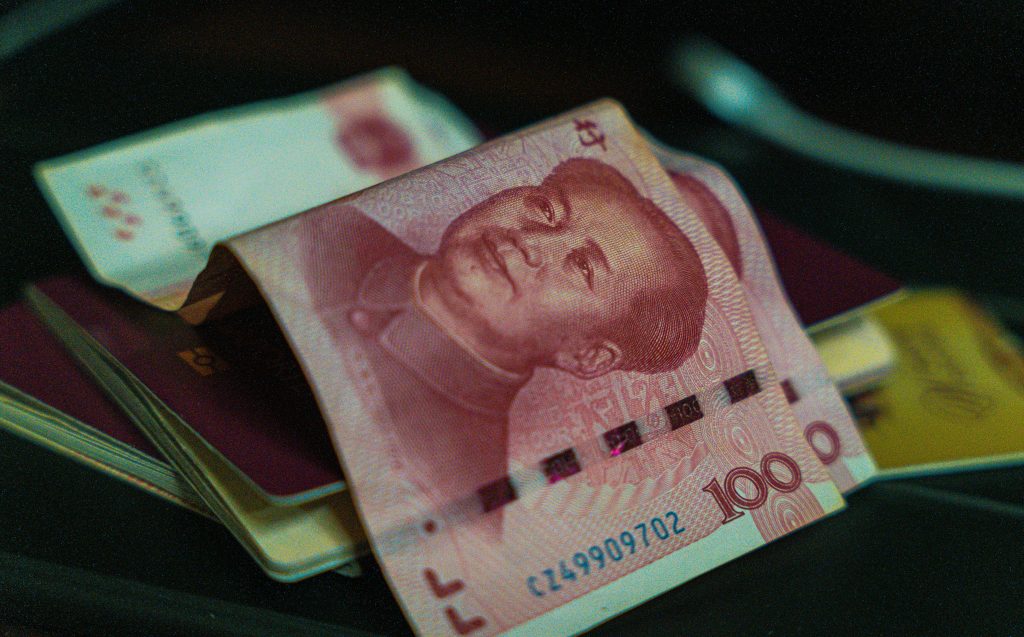
China has a wide range of living costs depending on the region. First-tier cities such as Shanghai, Beijing, Guangzhou, and Shenzhen are more expensive, while second and third-tier cities in Sichuan Province, Shandong Province, and eastern China offer significantly lower expenses.
Housing
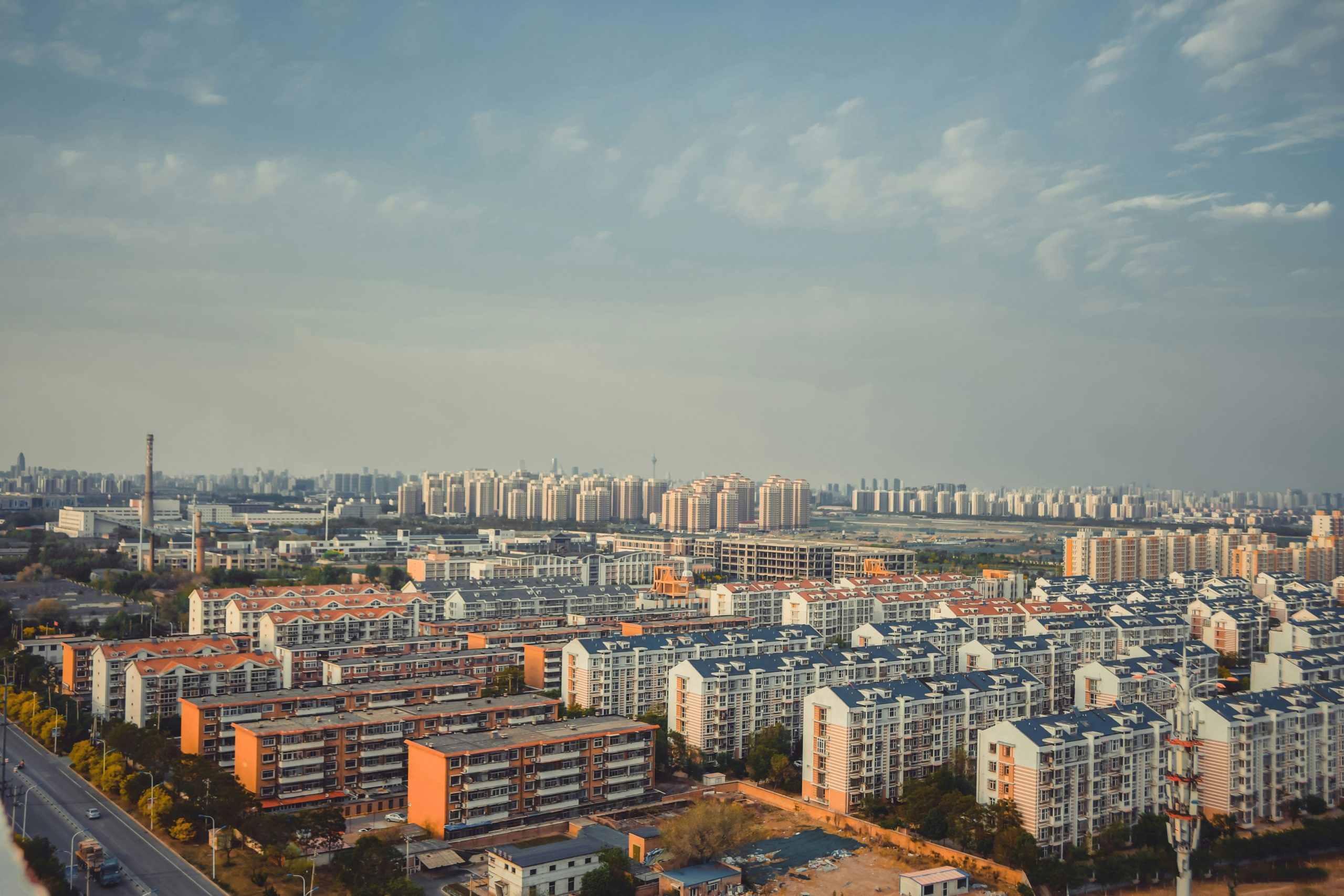
Housing costs vary significantly across China, with the biggest differences seen between major urban hubs and smaller provincial cities. In first-tier cities such as Shanghai, Beijing, Shenzhen, and Guangzhou, expect higher prices, especially if you want to live close to the city centre.
Second-tier cities like Hangzhou, Chengdu, Suzhou, and Nanjing offer more affordable housing without sacrificing comfort. Apartments here often feature modern amenities, new developments, and larger floor areas at significantly lower prices compared to the bigger cities.
Third-tier cities and provincial areas provide the most budget-friendly housing options in China. While these locations may have fewer luxury amenities and older buildings, they offer a more authentic local environment and a slower pace of life.
Utilities
Utilities in China are generally affordable compared to Western countries, though the exact cost varies by region and season. Electricity bills tend to rise during the summer months because air-conditioning is used heavily, especially in large cities where temperatures can be high and humidity is intense.
Water remains inexpensive nationwide, and gas costs stay moderate. Internet services are both reliable and low-cost, making it easy for expats to stay connected, although some international websites may require VPN alternatives.
Mobile phone plans are extremely affordable and widely used not only for communication but also for day-to-day payments, navigation, and essential apps needed for life in China.
Daily Necessities and Groceries
Daily necessities in China depend greatly on your lifestyle and whether you live in a major region or a smaller provincial area.
Local groceries such as vegetables, rice, noodles, and tofu are very cheap and allow for a low-cost daily food budget. In contrast, imported goods like cheese, wine, coffee, and foreign snacks can be significantly more expensive, especially in Shanghai, Beijing, and other first-tier cities.
Eating out also varies: meals at local restaurants are very affordable, mid-range dining comes at moderate prices, and Western cafés or international food chains tend to cost considerably more, particularly in popular expat neighborhoods.
In some of China’s major cities, daily routines may also be influenced by air pollution levels, which can affect outdoor dining, open-air markets, and how often expats who live in China choose to spend time outside during certain seasons.
Public Transport
Public transport in China is efficient, affordable, and highly developed, especially in the best cities where mobility is essential. Major urban centers such as Beijing, Shanghai, Shenzhen, Guangzhou, and Chengdu all have extensive metro systems that allow residents to travel quickly and conveniently across sprawling districts.
Buses remain the cheapest transport option and cover both urban and suburban routes, making them ideal for budget-conscious travelers. For longer journeys, China’s high-speed trains are more expensive than local transport but offer unparalleled convenience and speed, connecting major cities across the country.
Taxis and ride-hailing apps are also widely available and reasonably priced. With such strong transportation networks, many foreigners living in China find that owning a car is unnecessary, as public transit provides reliable and comprehensive coverage for day-to-day travel.
Many expats also consider air quality when deciding where to live, as cleaner-air cities make outdoor commuting and daily travel more comfortable year-round.
Healthcare and Expat Health Insurance
China’s healthcare offers both public and private hospitals. For expats who live in China, having international health insurance is strongly recommended to cover routine check-ups, emergencies, prescriptions, and specialist services—especially important in a country where you may not speak Mandarin Chinese.
Lifestyle and Entertainment
Lifestyle spending in China varies depending on the area and your personal habits, but it generally remains more affordable than in many Western countries.
Gym memberships fall within a moderate price range, with higher fees in city center locations where premium facilities and international chains are more common. Entertainment options such as cinemas, parks, and local events are typically low to moderately priced, making it easy to enjoy regular recreational activities without overspending.
Domestic travel is also budget-friendly, with efficient train networks and low-cost airlines offering inexpensive ways to explore different regions of the country. Festivals, sightseeing, and visits to landmarks are especially cost-effective, as many iconic attractions—including the Great Wall, Forbidden City, and Summer Palace—offer low entrance fees for residents.
What is the 6-Year Rule in China?
The 6-year rule refers to China’s tax regulation that requires foreigners who live in China for more than six consecutive years to pay taxes on their worldwide income. Leaving the country for 30 days resets the count. Many expats manage their travel to stay within favorable tax limits.
Best City Housing Options for Expats
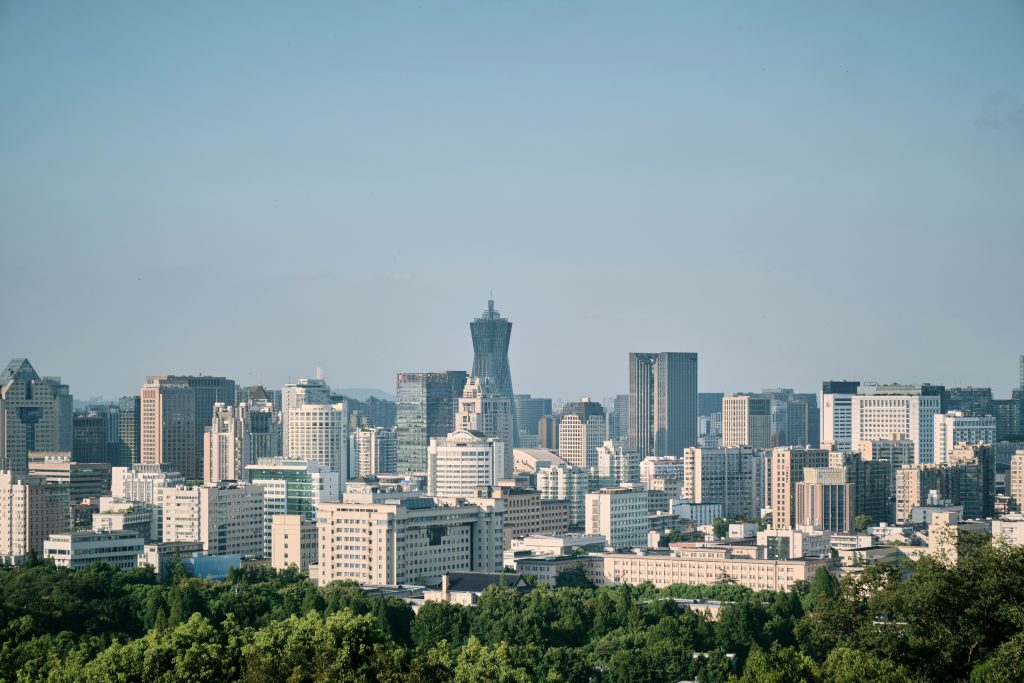
Most expats choose to live near their workplace or in neighborhoods with larger expat communities. Modern apartments dominate large cities, while provincial areas offer more traditional housing. Expats usually consider:
- Access to public transport
- Proximity to international schools
- Air quality levels
- Safety
- Modern amenities
The bustling metropolis of Shanghai’s Pudong New Area, as well as Beijing’s Shunyi District, and Guangzhou’s Tianhe area, are particularly popular among foreigners. These areas often carry the biggest reputation for offering expat-friendly services, modern facilities, and a comfortable living environment.
Is China Safe for Expats?
China is safe, and crime rates are low. The biggest concerns include air pollution in some cities and road safety due to heavy traffic. Natural disasters are rare, and most day-to-day life situations are manageable with awareness and basic precautions.
Challenges for Expats Living in China
Moving to a new country always brings adjustments. Expats who live in China may face:
- Language barriers, especially in cities where fewer locals speak English
- Adjusting to Chinese mobile phone apps, as most daily transactions use digital payments
- Adapting to internet restrictions and using alternatives instead of Western apps
- Understanding China’s healthcare system and ensuring you have health insurance
- Cultural differences in communication, work culture, and public behavior
Despite the challenges, China boasts a strong job landscape, modern infrastructure, a growing international community, and the opportunity to experience a country with a rich history and deep-rooted traditions.