Quick Facts
- Official Name: Republic of India
- Capital: New Delhi
- Largest Cities: Mumbai, New Delhi, Kolkata, Chennai, Hyderabad, Ahmedabad, Pune
- Geographic Region: South Asia
- Population: One of the largest total population figures globally
- Currency: Indian Rupees (INR)
- Government: Democratic republic with a parliament consisting of the Lok Sabha and Rajya Sabha
- Main Religions: Hinduism, Islam, Christianity, Sikhism, Buddhism
- Official Language: Hindi (English widely used for administration)
- Climate: Tropical monsoon climate with regional variations
- National Anthem: Jana Gana Mana
- Independence: 1947
- National Holiday: Republic Day (January 26)
Overview of the Republic of India
India is one of the world’s most diverse and influential nations, situated in the Indian subcontinent and firmly positioned in the northern hemisphere. As the world’s largest democracy, the country operates as a federal parliamentary republic governed by the Prime Minister, currently Prime Minister Narendra Modi.
The country’s identity is shaped by thousands of years of civilization, including the ancient cultures of the Indus River, the intellectual and cultural developments of its Golden Age, and the transformative era of British rule. These historical layers have influenced India’s modern achievements in technology, science, and culture.
Today, the country plays a central role, driving economic growth, innovation, and regional cooperation. Its political institutions, including a multi-party system and democratic governance, position it as a major global force with rising influence on the world stage.
Geography of India
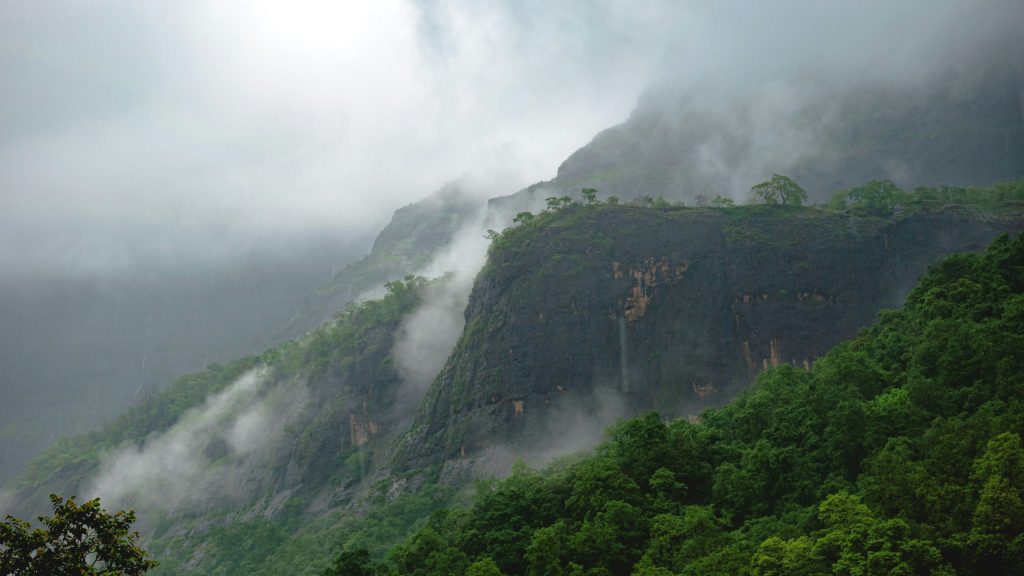
India occupies a uniquely strategic location on the South Asian subcontinent, surrounded by dramatic and varied landscapes. The country is framed by the towering Himalayas in northern India, including some of the world’s highest peaks, arid landscapes in the north west, and stretches southward into the Indian Ocean via its long southern peninsula.
Its coastlines span the Arabian Sea to the west and the Bay of Bengal to the east, providing vital maritime routes and a diverse coastal environment. The country shares land borders with Pakistan, Nepal, Bhutan, China, Myanmar, and Bangladesh, and maritime boundaries with Sri Lanka, the Maldives, Thailand, and Indonesia.
From arid expanses of the Thar Desert to the lush forests of the northeast, India’s geography remains one of the most varied and ecologically rich in the world. This vast geography encompasses fertile plains, deserts, tropical forests, river systems, and high mountain ranges.
It is home to the tropical monsoon climate system, which shapes much of the country’s seasonal rainfall, with a notable exception in the Himalayan regions, which have alpine and temperate weather patterns.
The varied geography makes the country especially vulnerable to environmental pressures such as rising temperatures, erratic monsoon patterns, and the broader impacts of climate change, and presents challenges such as seasonal flooding and air pollution in major urban centers.
History of India
India’s history stretches back thousands of years and is considered one of the world’s oldest and most influential cultural timelines.
Classical India
The earliest known civilization on the Indian subcontinent emerged along the Indus River, where advanced urban settlements like Harappa and Mohenjo-Daro flourished. This era laid the foundation for later developments in philosophy, science, mathematics, and governance.
Classical India saw the rise of powerful empires, including the Maurya and Gupta dynasties—periods often referred to as the Golden Age of Indian culture due to advancements in literature, astronomy, medicine, and art.
Over centuries, the subcontinent became a crossroads of trade and ideas, interacting with Central Asia, the Middle East, and Southeast Asia.
British Rule
From the 18th to the mid-20th century, the country came under British rule, which reshaped its political and economic structures while also sparking widespread resistance movements. Key figures like Jawaharlal Nehru, Mahatma Gandhi, and the leaders of the Indian National Congress played central roles in the push for independence.
Independence
The country finally achieved sovereignty in 1947, though it was accompanied by the traumatic partition that created Pakistan and later East Pakistan (now Bangladesh). Post-independence, India adopted a democratic constitution and became a republic, establishing a parliamentary framework that aligned with its vision of freedom, equality, and unity.
Modern India
Modern India has evolved rapidly. Over the past few decades, government reforms, economic liberalisation, and significant infrastructure development have transformed the nation into a global center for technology, science, and industry.
Today, it stands as a rising power in the global community, balancing its ancient heritage with its ambitions as one of the fastest-growing economies in the world.
People, Society, Language, and Culture
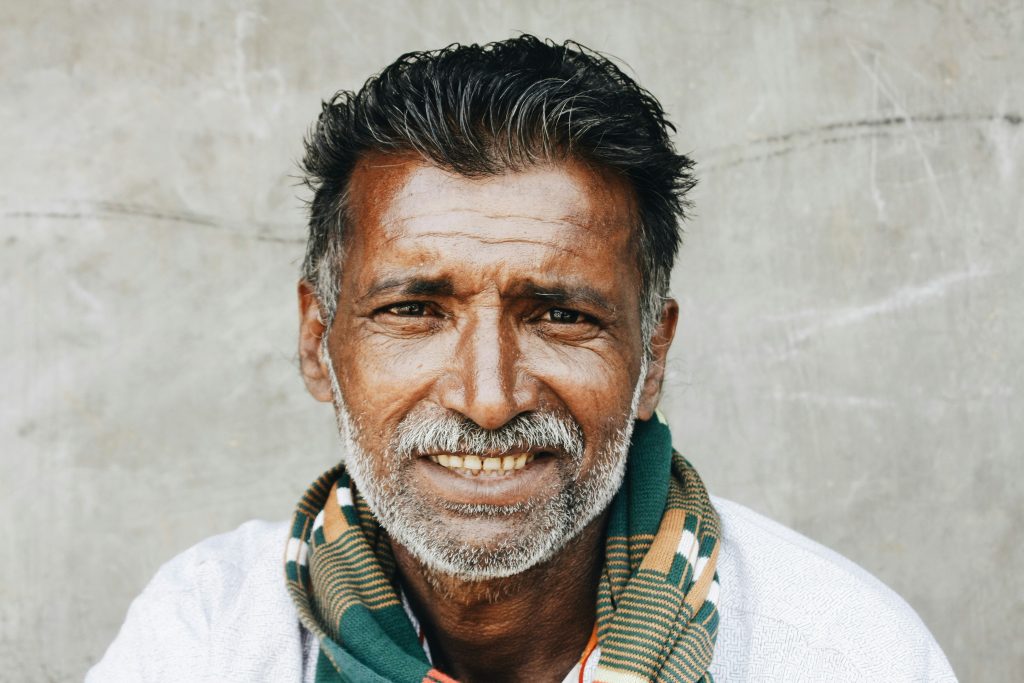
India’s culture is one of the world’s oldest and most diverse. Its traditions have been shaped by thousands of years of migration, trade, intermarriage, religion, and shared heritage.
States such as West Bengal, Andhra Pradesh, Uttar Pradesh, Arunachal Pradesh, Himachal Pradesh, and Madhya Pradesh each offer their own distinct traditions, festivals, and histories.
At a glance, India is where ancient civilizations, diverse languages, and modern innovation coexist, creating one of the most culturally dynamic societies in the world.
Union Territories
India also includes several Union Territories, such as Delhi, Puducherry, Chandigarh, Lakshadweep, and Nagar Haveli, each contributing uniquely to the nation’s cultural landscape.
Despite rapid modernization, the country remains deeply connected to its cultural roots, classical arts, cuisine, literature, and spiritual traditions.
Language
Hindi and English are widely spoken, although there are dozens of regional languages, including Tamil, Bengali, Telugu, Punjabi, Kannada, and more.
The National Anthem, Jana Gana Mana, contains poetic phrasing such as ‘thou art’ in its English translation, reflecting the lyrical and reverential tone of the composition.
Population Growth Rate
India has one of the highest populations on the planet, with its population growth rate gradually stabilizing as literacy, healthcare, and urbanization improve. The nation has one of the world’s youngest populations—an economic advantage for future development.
Median Age
The majority of India’s population sits at around the late 20s, which remains low compared to Western nations. One-third of India’s population is under the age of 25, giving the country a powerful demographic advantage. A young workforce fuels economic expansion, entrepreneurship, and technological development.
Sexual Orientation
The country has made significant social progress concerning sexual orientation. The landmark 2018 ruling decriminalized same-sex relationships, marking a major step forward for LGBTQ+ rights.
While acceptance varies across regions—especially in traditional rural areas—urban centers continue to promote inclusivity and awareness.
Government and Politics of India
India functions as a federal parliamentary democratic republic, combining ancient political traditions with modern constitutional governance. As the largest democracy in the world, the nation operates through a multi-tier system of national, state, and local governments, with power shared between the central leadership and 28 states plus multiple territories.
The Indian government follows a parliamentary structure inspired by the Westminster model. Legislative authority lies with the bicameral Parliament—comprising the Lok Sabha (House of the People) and the Rajya Sabha (Council of States). Executive power is held by the Prime Minister, currently Prime Minister Narendra Modi, while the President serves as the ceremonial head of state.
The country’s political landscape is shaped by a long history of activism, reform, and democratic participation. The National Congress, regional parties, and emerging political movements continue to influence governance. India’s political system also plays a central role in shaping economic policy, national security, foreign relations, and key areas such as climate response, infrastructure, and social welfare.
Supreme Court
The Supreme Court serves as the nation’s highest judicial body and the guardian of the Constitution. It adjudicates a wide range of cases, including constitutional disputes, civil and criminal appeals, and matters involving fundamental rights.
As the final appellate court, it oversees decisions from state high courts and ensures uniformity in the interpretation of national laws. Through landmark judgments, the court has played a crucial role in defining personal freedoms, sexual orientation rights, environmental protections, and the balance of power between the central and state governments.
New Delhi
New Delhi, the capital city, is the political and administrative center of India. Home to Parliament, the Ministry of Home Affairs, the offices of India’s Prime Minister, and major national institutions, the city forms the nerve center of governance.
The city also hosts foreign embassies, international organizations, and cultural institutions, making it one of the most influential capitals. Beyond politics, the city is a hub for education, media, diplomacy, and historical heritage, reflecting India’s evolving identity as a modern democratic state.
Security Forces
India maintains one of the largest and most diverse security forces, composed of the military, paramilitary organizations, intelligence agencies, and state police units.
These forces are responsible for defending national borders, managing internal security, and responding to emergencies such as flash floods, natural disasters, and civil disturbances.
In sensitive or conflict-prone regions, Indian authorities may deploy additional personnel to ensure stability and protect civilians. While the legal system provides safeguards for political prisoners, human rights groups sometimes express concerns about enforcement practices and accountability.
Economy, Natural Gas, and Minerals
While agriculture remains vital, contributing significant production from arable land, the country now has strong footholds in IT, manufacturing, pharmaceuticals, and the industrial sector.
It is also rich in minerals such as iron ore and has growing reserves of natural gas, especially in offshore regions near the southern peninsula and the Nicobar Islands.
The economy has expanded significantly over the past two decades, with rising capita income, expanding exports, and stronger global partnerships. The reforms since the 1991 economic liberalization have helped employment and global trade participation grow rapidly.
Tourism, Heritage, and Recreation
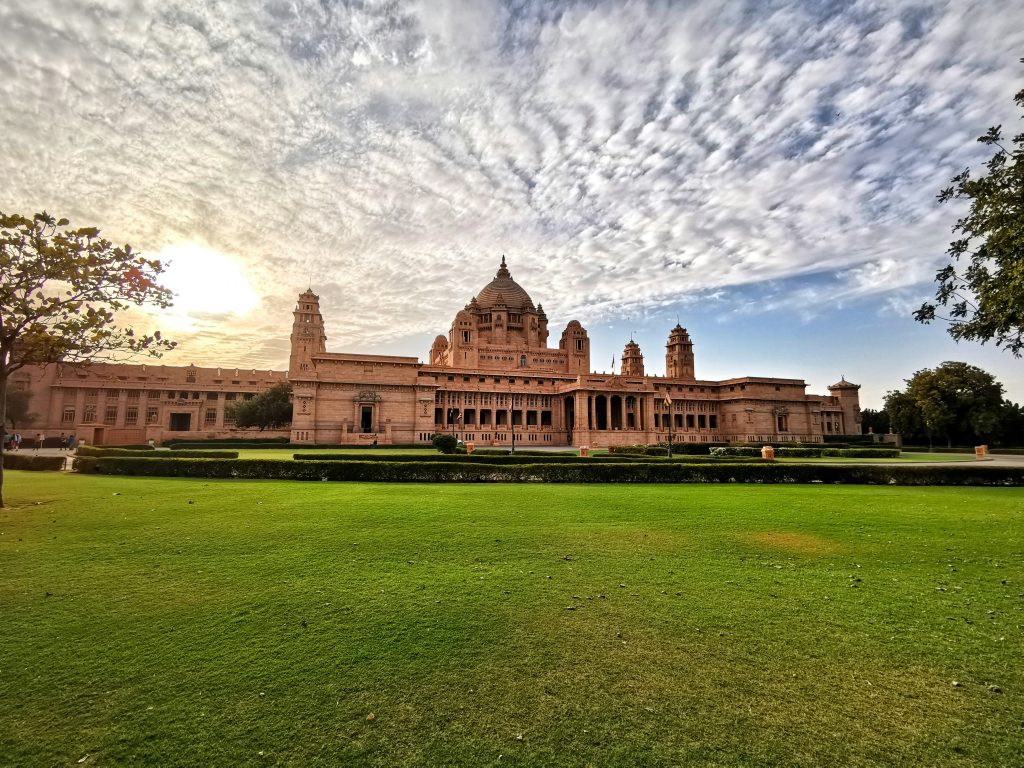
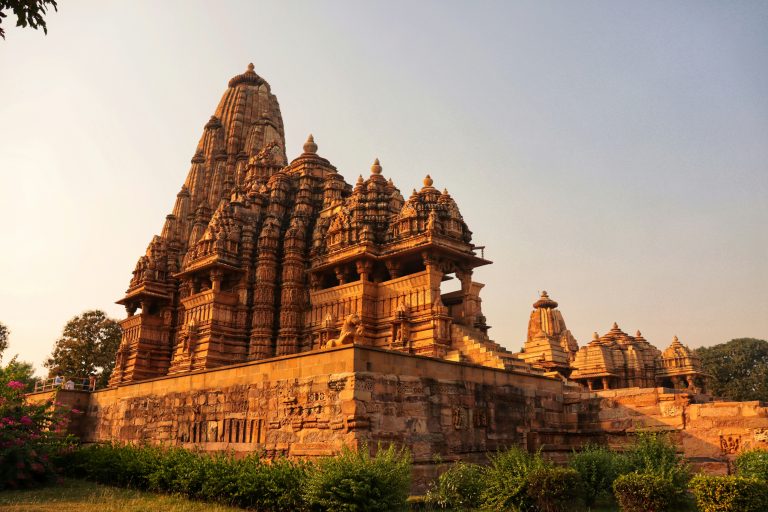
India is globally famous for its architectural wonders, including the Taj Mahal, Agra Fort, Jaipur’s Amber Palace, Konark Sun Temple, and ancient cave temples at Ajanta and Ellora. Pilgrims visit the sacred Ganges River, Bodh Gaya (where Buddha attained enlightenment), and golden Sikh temples.
Natural attractions include the Thar Desert, the snow-capped Karakoram mountains, national parks in Rajasthan and Uttarakhand, the Himalayas in the northern region, and lush forests of Kerala and Tamil Nadu.
Tourism also promotes local festivals, dance, theatre, music, and India’s distinctive cuisine, considered one of the richest in the world.
Mass Transportation
India possesses one of the most extensive railway systems in the world, dating back to colonial times. Mountain railways in regions like Darjeeling and Nilgiri are recognized as UNESCO Heritage Sites.
The nation also operates major ports in Chennai, Mumbai, and Kolkata, with modern airports connecting India to global hubs such as London, Dubai, Singapore, and San Francisco.
Radio remains popular—India Radio (All India Radio) continues to broadcast across the country, especially in provincial areas where it remains an important source of news and culture.
Casino Industry
The country’s casino industry operates under a mixed regulatory framework, with only a few regions legally permitting casino gambling.
Offline, licensed land-based casinos exist primarily in Goa, Sikkim, and Daman and Diu, where tourism-driven gaming contributes to local economies. These venues offer slot machines, poker rooms, and table games similar to international casino hubs.
Online gambling, meanwhile, has grown across the country, although regulations vary by state. Many players access offshore platforms that provide online casinos, sports betting, live dealer games, and mobile gaming apps. As digital payments expand and internet access improves, online casino participation continues to rise despite ongoing regulatory debates within the Indian government.
Country Profile Summary
India is a vast, vibrant nation, recognized globally for its ancient civilizations, linguistic diversity, and cultural richness.
As the world’s largest democracy, it operates with a federal parliamentary system, where governance is shared across national, state, and local levels. Its capital serves as the political and administrative heart of the country, while major cities such as Mumbai, Bengaluru, Chennai, Kolkata, and Hyderabad anchor India’s economic and cultural identity.
Historically shaped by the Indus Valley Civilization, classical empires, spiritual traditions, and centuries of British rule, India today stands as a dynamic fusion of ancient heritage and modern innovation.
Its geography spans towering Himalayan peaks and the Karakoram mountain range, sweeping plains, fertile river valleys, and extensive coastlines along the Indian Ocean, Arabian Sea, and Bay of Bengal. This environmental diversity creates climates ranging from alpine cold to monsoons, supporting one of the richest biodiversity zones in the world.
Economically, India remains one of the fastest-growing countries in the region. Its growth rate consistently outperforms many other nations, driven by rapid urbanization, technological advancement, and an expanding manufacturing base.
Foreign investment, improved market reforms, and the rise of global service industries—especially IT, engineering, and finance—continue to strengthen India’s position as a major global economy. Abundant natural resources further support industrial development.
India’s population exceeds one billion people and includes an extraordinary mix of languages, religions, and cultural traditions. Hindi and English function as the most widely used administrative languages, but the country officially recognizes hundreds of languages and dialects.
Its cultural influence is felt worldwide through cuisine, classical and contemporary arts, festivals, spirituality, literature, and contributions to global innovation. India’s identity is often described as a place “where ancient traditions blend seamlessly with modern dynamism,” reflecting its unique ability to balance heritage with progress.
Tourism thrives due to iconic landmarks such as the Taj Mahal, UNESCO heritage sites, sacred spiritual destinations, and natural wonders. India is equally famous for yoga, Bollywood, diverse festivals, vibrant marketplaces, and a long-standing legacy of literature and science.
With diverse landscapes, resilient institutions, and one of the youngest populations in the world, India continues to shape regional and global developments. It stands as a country defined by history, strengthened by democracy, and propelled forward by innovation and aspiration.