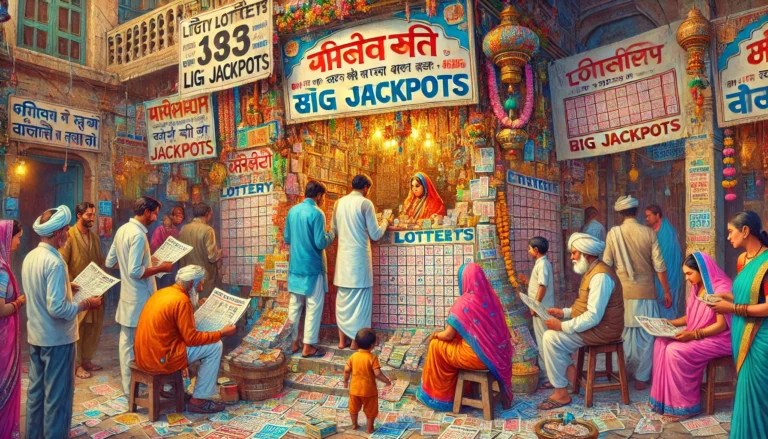


Betting Regulations in India
India’s gambling laws landscape is a complex patchwork of state gaming laws, colonial-era statutes, emerging online gambling regulations, and sector-specific rules covering lotteries, horse racing, and fantasy sports.
While millions of Indians participate in online gaming and betting, fantasy leagues, poker rooms, and casino-style online games, the legal framework for gambling laws remains deeply fragmented.
This comprehensive guide explains the full spectrum of gambling laws covering betting and gambling activities in India—offline, land-based, and on every online platform.
The History of Gambling in India
Gambling has existed in India for thousands of years, woven into mythology, royal traditions, social customs, and—eventually—modern entertainment.
From ancient dice games and royal courts to today’s online gambling platforms and offshore online gaming casinos, India’s gambling history reflects the country’s shifting cultural values, economic changes, and legal transformations.
Ancient India: Dice, Wagers, and Cultural Significance
Gambling appears prominently in some of India’s oldest texts:
- Rig Veda: Contains verses describing the attraction and dangers of dice games.
- Mahabharata: The epic tells the famous story of Yudhishthira losing his kingdom in a high-stakes dice match, illustrating both the thrill and social consequences of gambling.
- Manusmriti (Manu’s Code): Mentions gambling within its rules of conduct, acknowledging that wagering was widespread even in early society.
During this period, gambling was largely social and recreational, practiced in homes, marketplaces, and among nobility. Games like dice, cowrie shell gambling, and board-style games were common across regions.
Medieval to Pre-Colonial India: Royal Courts and Public Games

By the medieval era, gambling had become more organized across many regions of India. Kings often sponsored gambling events during major festivals, turning wagering into a form of public entertainment.
Card games and local dice games such as pachisi grew in popularity, attracting players from all social classes. Marketplaces in large cities frequently featured gambling stalls where people gathered to play, watch, and wager.
Although religious authorities sometimes debated the morality of these practices, gambling remained broadly accepted and actively enjoyed by both elites and everyday citizens.
Colonial India: The Turning Point
When the British East India Company and later the British Crown took control, gambling habits among the public grew rapidly—particularly lotteries, card games, wagering on local sports, and public gaming houses.
British administrators believed gambling was disruptive to social order, a source of criminal activity, and a moral threat to disciplined colonial governance. This concern led to the first major legal intervention and gambling laws in India’s gambling history.
Indian Law in 1867: The Public Gambling Act and the Official Ban
The defining moment in Indian gambling law came with the central government’s introduction of the Public Gambling Act of 1867. This gambling law effectively banned most gambling activities across British-controlled territories.
The gambling law:
- Prohibited keeping a common gaming house
- Criminalized visiting a gaming house
- Punished anyone aiding gambling
- Banned running any form of wagering establishment
The purpose of the gambling law was to suppress public gambling and maintain social discipline in the colonies. Even though the gambling law was written more than 150 years ago, it remains the foundation of Indian gambling enforcement in many states.
Early 20th Century: Regional Variations Emerge
After 1867, gambling continued underground or in controlled environments. Different provinces adopted their own versions of the Public Gambling Act.
Some states set up gambling laws that banned almost every form of wagering, while others created gaming acts that permitted certain activities, including horse racing, lottery games, and prize competitions. By the 1920s and 1930s, horse racing and rummy were recognized as games of skill, not gambling—setting an important legal distinction still used today.
Post-Independence India: A Patchwork System of Indian Law on Gambling Begins
After 1947, gambling became a State Subject under the Indian Constitution, meaning each state could create its own gambling laws. As a result, there was no unified national gambling policy, and rules varied widely across the country. Still, most state governments based their own rules on the initial gaming act.
Significant developments in gambling laws during this period included the 1955 Prize Competitions Act, which regulated puzzle-based contests; the 1998 Lotteries Regulation Act, which legalized state-run lotteries; and a series of judicial rulings between 1999 and 2000 that recognized horse racing and rummy as skill-based activities.
Over time, India’s gambling laws framework evolved into a complex blend of state autonomy, colonial-era statutes, and case-by-case judicial interpretation.
Late 20th Century to Early 2000s: Casinos and Skill-Based Games
Goa, Daman, and Sikkim began implementing gambling laws that authorized limited casinos in the 1990s and early 2000s, marking a significant shift in India’s gambling law landscape.
Goa’s state government gambling laws permitted casinos to operate inside five-star hotels and on offshore vessels, creating a mixed land-and-water gaming scene that still exists today.
The Sikkim state government followed with state gaming laws that introduced land-based casinos and established one of India’s first controlled licensing systems for Sikkim online gaming, a framework that became a model for early digital regulation. This Sikkim online gaming initiative helped formalize licensing processes and created clearer rules for skill-based operators.
Around the same time, the Nagaland state government created a dedicated regulatory gambling law framework for online “games of skill.” It’s among the state gaming laws that give legal clarity to platforms offering rummy, poker, and other skill-based formats. As a result of this gaming act, poker, rummy, and fantasy sports gradually gained mainstream legitimacy, attracting large audiences and paving the way for India’s modern skill-gaming industry.
The Digital Era: Online Betting and New Gray Areas in Gambling Law
The rise of internet access in India created a massive shift in gambling behavior. Offshore gambling sites began accepting Indian players, while online rummy and poker platforms surged in popularity.
The growth of the IPL transformed cricket betting into a major online gaming market, and mobile-first gaming significantly changed how users engaged with wagering platforms. Yet no central gambling law explicitly banned or regulated online gambling, resulting in a broad legal gray zone.
Because of this ambiguity, several states attempted to draft their own state gaming laws and online gaming rules to address licensing, consumer protection, and operator compliance.
States responded to online gaming in different ways: The state governments of Telangana and Tamil Nadu attempted to enact gambling laws that imposed full bans on online real-money gaming, while Meghalaya and Nagaland state governments developed state gaming laws that introduced licensing systems to regulate online gambling operators.
Courts repeatedly upheld fantasy sports as skill-based activities, and the central government introduced updated IT Rules to regulate online gambling content, payments, and online gaming site responsibilities.
Despite the uncertainty in terms of gambling laws, online gaming has become one of India’s fastest-growing sectors, driven by technology, mobile penetration, and user demand.
Modern India: Today’s Gambling Landscape
India’s gambling environment today is shaped by several overlapping forces that make the offline and online gaming landscape highly fragmented and difficult to regulate.
First, outdated central gambling laws continue to create uncertainty. The Public Gambling Act remains the primary legal framework, yet it does not address online gambling casinos, mobile gaming apps, fantasy sports, e-sports betting, digital payments, or offshore online gaming operators—leaving major gaps in how modern wagering should be governed.
Second, state governments enforce their own contradictory gambling laws and rules. Some state gaming laws allow casinos and online gaming, others regulate specific skill-based games, and many impose blanket bans. Many of these state-level differences in gambling law exist because there are no unified online gaming rules established at the national level.
In many regions, state gaming laws prohibit most forms of betting and online gaming entirely, creating sharp differences in legality across the country. This patchwork approach means that gambling law and legality vary sharply depending on where a player lives.
At the same time, online gambling has exploded in popularity. Millions of Indians now use offshore online gaming websites for cricket betting, casino real-money games, online poker, slot games, and international sportsbooks, largely because these online gambling platforms operate outside India’s direct jurisdiction.
Finally, ongoing legal debates add another layer of complexity. Courts and policymakers continue to dispute what qualifies as a game of skill, whether online gaming and betting should be legalized, how offshore access to online gaming sites should be controlled, and how financial compliance and taxation should work in a rapidly evolving online gambling market.
Gambling Laws: Core Legislation Governing Betting and Gaming in India

India’s gambling laws form a complex and often contradictory framework built on a mix of colonial-era legislation, state government-level statutes, and modern digital regulations.
Taken together, these gambling laws reflect a fragmented regulatory environment where central statutes are outdated, states interpret gambling independently, and modern gaming formats—such as online gambling platforms, esports tournaments, app-based online gaming, offshore casinos, and digital sportsbooks—fall into gray areas in gambling law.
This patchwork structure leaves both players and operators navigating a gambling law landscape where definitions vary, state gaming laws and enforcement differ by region, and judicial rulings frequently reshape the boundaries between real-money games of chance and games of skill.
As a result, policymakers, state governments, and industry stakeholders continue to push for standardized online gaming rules that can be applied consistently across states.
Public Gambling Act of 1867
At the center of the gambling law structure in India is the Public Gambling Act of 1867, the country’s oldest and most influential gambling statute. Introduced during British rule, this gambling law criminalizes the operation and management of public gaming houses and penalizes anyone who visits or assists such establishments.
Although originally intended to prevent physical gambling dens, it remains the foundational gambling law still applied—directly or through state adaptations—even though it predates computers, online casinos, mobile apps, esports, and digital payments by more than a century.
Prize Competitions Act of 1955
The Prize Competitions Act of 1955 regulates contests involving skill-based puzzles with monetary rewards, setting strict limits on prize amounts and competition formats. While narrow in focus, it has influenced how courts distinguish between games of skill and games of chance.
Payment and Settlement Systems Act
The Payment and Settlement Systems Act empowers the Reserve Bank of India to oversee electronic payment flows, indirectly affecting online gambling transactions by determining which payment routes are permissible.
Electronics and Information Technology Act (IT Act)
The Information Technology Act (IT Act) serves as the backbone of India’s digital governance, giving authorities the power to restrict access to unlawful online gambling websites, regulate intermediaries, and intervene in cyber activities related to online gaming and wagering.
However, the IT Act does not define gambling or betting, leaving interpretation largely to the courts, which must determine on a case-by-case basis whether certain online gaming offerings qualify as games of skill or games of chance.
As a result, the IT Act functions more as a digital enforcement tool for cyber activities than a dedicated gambling regulation statute, contributing to the fragmented and uncertain regulatory environment surrounding online gaming in the Indian market.
Moreover, the IT Act’s limitations have prompted ongoing debate about whether India requires a dedicated regulatory framework specifically tailored to online gaming and digital wagering. As technology evolves and real-money platforms expand, policymakers have repeatedly acknowledged that relying on a general cyber law like the IT Act to govern a complex and rapidly growing industry is no longer sufficient.
Several government committees and think tanks have proposed amendments or entirely new legislation—often referred to in policy discussions as unified online gaming rules—to provide clearer definitions, licensing standards, and compliance requirements not covered by the IT Act.
Until such specialized legislation is enacted, enforcement will remain dependent on the IT Act’s broad provisions on cyber activities, state laws, and judicial interpretation, leaving both operators and players navigating significant legal ambiguity.
State-Specific Gaming Laws
Layered on top of these national gambling laws are dozens of state gaming laws, each shaping the offline and online gaming landscape within its borders.
Some examples of state gaming laws include the Telangana Gaming Act, which imposes one of the strictest anti-gambling laws in the country; the Karnataka Police Act, historically used to curb gaming activities until partially struck down by courts; and the Tamil Nadu Gaming Act, which has undergone several amendments to address online real-money games.
Tamil Nadu’s recent proposals also referenced the need for a clearer skill act framework to distinguish between permitted skill-based games and banned chance-based formats for more clarity for the Indian market.
Other state governments, such as Goa, Daman, and Sikkim, operate under the Goa, Daman, and Diu Gambling Act, a gaming law that creates exceptions for licensed casinos, both land-based and offshore. Sikkim also stands out for its pioneering Sikkim online gaming regulations, which introduced structured licensing for online games and betting terminals—something no other state gaming law had attempted at the time.
In contrast, Bengal gaming laws follow the West Bengal Gambling and Prize Competitions rules, which diverge from the main gambling law and permit certain forms of rummy and horse racing. This framework is one of the more flexible regional models, and discussions around West Bengal gambling often highlight how the state balances traditional restrictions with selective allowances for skill-based play.
Online Gambling and Offshore Casinos: Understanding India’s Regulatory Landscape for Platforms That Offer Online Betting and Gaming
India has no single nationwide law governing online gambling or online skill games. Instead, the country relies on a combination of outdated central statutes, state gaming laws, and new digital-era regulations enforced by the Ministry of Electronics and Information Technology.
The Public Gambling Act of 1867 (and its regional variants) criminalizes operating or visiting common gaming houses, but it does not include any provisions for online gambling activities or online skill games, because the internet did not exist at the time.
This legal vacuum allows offshore online gaming casinos, foreign sportsbooks, and international online gambling operators to offer online gaming to Indian users, especially in sports, cricket, horse racing, poker, and casino-style online games.
Since many online gaming operators function outside India’s jurisdiction, users can access them under the premise that the Indian government cannot regulate what does not fall under its territorial control.
Meanwhile, states like Telangana, Tamil Nadu, and Karnataka have introduced strict state gaming laws for online gaming and online betting—including the Telangana Gaming Act—that explicitly expand prohibitions to include online gambling activities and online gaming sites. This gaming law serves as one of India’s earliest attempts to create enforceable online gaming rules for local operators.
Land-Based Gambling in India: Casinos and Licensed Venues with Gaming Authority

India has only three regions where casino gambling activities are legally permitted under state law, each offering a distinct casino gaming experience shaped by local laws, tourism appeal, and the types of land-based form casino venues allowed.
While most state gaming laws prohibit casino operations entirely, Goa, Sikkim, and Daman stand out as the country’s only true casino destinations held in five-star hotels, and that host games for different types of players in the Indian market.
Goa
Goa offers a selection of land-based casinos located inside five-star hotels. While the state is known for its offshore vessels, its land-based venues cater to travelers who prefer a quieter, more refined gaming atmosphere.
These casinos operate under the Goa, Daman, and Diu Public Gambling Act, a gaming law that allows gambling activities only in luxury hotels.
Casino Palms (La Calypso Hotel, Baga Beach)
Casino Palms blends resort comfort with a mid-sized gaming floor. Located near Baga Beach, it’s popular among tourists who want a casual gaming experience without leaving the hotel premises. The casino features electronic games, roulette stations, and table games, though the selection of betting and gambling activities is more limited compared to larger venues.
Chances Casino (Vainguinim Valley Resort)
Chances Casino offers an elegant, understated gaming environment with professional service and premium interiors. Its gaming floor focuses on table games and skill-based formats, making it ideal for experienced players seeking a quieter, more exclusive setting. The resort’s hospitality and dining are consistently praised.
Casino Strike (Grand Hyatt Goa)
Casino Strike is one of Goa’s most modern land-based casinos, located inside the Grand Hyatt. Known for its stylish design and upscale atmosphere, Strike features a variety of betting and gambling activities, including gaming tables and electronic machines. The casino is well-regarded for its spacious layout, comfortable ambiance, and resort-level amenities.
Sikkim
Sikkim was one of the first Indian states to adopt gaming laws that legalized land-based casino gambling. Its casinos are known for their scenic mountain surroundings, boutique scale, and well-regulated environment. The state’s gaming culture emphasizes hospitality and charm over high-volume gaming.
Casino Mahjong (Mayfair Resort, Gangtok)
Casino Mahjong is Sikkim’s most upscale land-based casino, offering a refined environment within the Mayfair Resort. Its gaming floor includes a curated mix of table games and electronic machines. Guests often highlight the excellent service, luxurious interiors, and peaceful setting, which make it a standout destination.
Casino Sikkim (Royal Plaza Hotel, Gangtok)
Casino Sikkim delivers a welcoming and comfortable gaming experience inside the Royal Plaza Hotel. It is smaller than Casino Mahjong but offers a good variety for casual players, including roulette, blackjack, and electronic tables. Visitors appreciate its relaxed atmosphere and friendly staff.
Deltin Denzong (Denzong Regency Hotel)
Deltin Denzong adds a premium touch to Sikkim’s casino scene with polished interiors and professional gaming service. It offers a more upscale feel compared to many regional casinos and attracts both domestic tourists and seasoned players.
Daman
Daman is an emerging land-based casino destination with large-scale resort ambitions. Though casino operations have faced regulatory delays due to state laws, the flagship resort remains at the center of India’s legal casino landscape.
Deltin Daman (Integrated Resort, Daman)
Deltin Daman is one of India’s largest integrated resorts designed for luxury gaming, hospitality, and entertainment. Although its full casino operations have awaited final licensing, the massive property includes world-class hotel accommodations, restaurants, entertainment venues, and a casino floor built to international standards.
Once fully operational, it is expected to become a major casino hub catering to western India and nearby metros.
Legality of Gambling Activities in India
Understanding the legality of betting and gambling activities in India requires navigating a maze of overlapping gaming laws, state-level restrictions, and judicial interpretations.
Each state government has the authority to regulate or prohibit betting, online wagering, and real-money sports games, creating a legal environment where some regions permit limited gaming while others ban such games entirely.
Much of this framework is still guided by older statutes like the Gaming Act, alongside newer digital regulations that attempt to address modern wagering formats. As a result, determining what is legal or illegal depends heavily on the type of activity, the state in question, and whether the game is classified as a game of skill or a game of chance.
Online Gaming: Skill-Based, Real Money Games, and New Regulatory Models
India’s approach to regulating online gaming and wagering relies heavily on the distinction between online skill games and games of chance, a separation repeatedly upheld by Indian courts, including the Supreme Court.
Games of skill—such as rummy, poker, fantasy sports, and certain sports-related contests and sports betting—are generally treated as legal activities because success depends on judgment, strategy, and knowledge.
In contrast, games of chance, including casino games, slots, and roulette, are typically considered illegal unless a specific state has created a regulatory framework allowing them.
This legal foundation for online gaming is layered onto a broader system of state autonomy. Under State List Entry 34 of the Indian Constitution, gambling is a state matter, giving each state the authority to craft its own laws.
As a result, many state gaming statutes explicitly prohibit online gaming, wagering, betting, or operating a gaming house, while others introduce exceptions or licensing systems. States that support regulated online skill gaming have pushed for a unified skill act to establish consistent definitions and compliance standards across the country.
Horse Racing: The Only Widely Legal Betting Exception

Horse racing occupies a unique position in India’s gambling landscape because it is legally recognized as a game of skill, a status reaffirmed through multiple Supreme Court judgments. As a result, horse race betting is legal in nearly all states, setting it apart from most other forms of wagering.
Bettors can place horse racing wagers directly at racecourses, through licensed on-course bookmakers, or via approved online betting or online gaming channels that operate under regulatory oversight.
The administration of horse racing activities is typically managed by turf clubs, which function under state authorization and are often supervised by dedicated gaming authorities or horse racing boards responsible for maintaining standards, ensuring fairness, and overseeing betting operations.
Horse racing has benefited from clearer regulatory structures compared to other forms of betting and casino games. Many states have enacted specific rules governing racecourses, tote systems, and betting kiosks, providing a transparent framework that other gambling sectors lack.
In contrast to the uncertainty surrounding online gambling, horse race betting follows established processes for licensing, taxation, and auditing, making it one of the few wagering activities in India where players can participate without ambiguity.
This structured approach explains why horse racing continues to flourish even as debates persist over the legality of sports betting and other online gaming formats.
Online Poker: Legality, Skill Recognition, and State-Level Restrictions
The legal status of poker depends on whether courts classify it as a game of skill. Several Supreme Court decisions have affirmed poker’s skill-based nature, but states retain the authority to prohibit or permit it.
States where poker clubs and casino games flourish include:
- Sikkim
- Nagaland
- Meghalaya
Meanwhile, states such as Telangana and Tamil Nadu have attempted to restrict such online gaming activities entirely, including real money formats.
Betting Regulations: India’s Stance on Sports Betting Legality, Exceptions, and Offshore Workarounds
Sports betting in India exists in a largely restricted environment, with only a few notable exceptions permitted under current law. Unlike many other forms of online gaming and wagering, most types of sports betting remain prohibited under state gaming statutes, and there is no national framework that authorizes regulated sports betting across the country.
The primary exception is fantasy sporting events, which courts in several states have recognized as a game of skill rather than a game of chance. This classification allows fantasy online gaming sites to operate legally in many jurisdictions, provided they meet regulatory and consumer-protection requirements.
In addition, certain skill-based sports contests approved by courts may also fall outside traditional gambling prohibitions, though these permissions vary widely by state.
Despite domestic restrictions, millions of Indians still participate in sports betting and online gambling activities through offshore online gambling platforms, which accept Indian users and operate beyond the jurisdiction of Indian law.
These online gambling sites have become especially popular for cricket wagering, including betting on IPL matches, even though cricket betting remains technically illegal under most state laws.
Gambling Indirect Taxes: GST, Income Tax Act, and Financial Compliance
Players and operators involved in India’s gambling and online gaming ecosystem must comply with various indirect taxes and financial regulations. This includes the Goods and Services Tax (GST), which applies to certain gaming services and increasingly affects the online gaming industry as digital online gambling platforms become more prominent.
Under the Income Tax Act, winnings from gambling or online gaming activities are subject to a 30% TDS, placing significant responsibility on both players and online gaming operators to ensure accurate tax deduction and reporting.
In addition, the Prevention of Money Laundering Act (PMLA) imposes strict reporting requirements to prevent money laundering, a standard that applies equally to land-based wagering and online gaming transactions processed through digital wallets, payment gateways, and offshore servers.
Even online gaming authorities that operate outside India’s borders may still incur goods and services tax liabilities when they provide services to Indian users, especially when they market, advertise, or facilitate online gaming within India. Offshore online gaming authorities often rely on intermediary payment systems, which fall under RBI oversight, the Money Laundering Act, and tax scrutiny, further linking them to India’s indirect tax framework.
As the popularity of real-money online gaming grows across the country, regulators continue to evaluate how goods and services tax, TDS, and anti-money laundering rules should apply uniformly across domestic and offshore online gaming authorities to ensure compliant, transparent financial online gaming operations.
Social Effects of Gambling and Online Gaming in India
The social impact of online gaming in India is deeply intertwined with the modern boom in online gaming, which has significantly changed how people engage with betting and skill-based games.
Traditional gambling used to be limited to festivals, card circles, and licensed venues; today, online gaming allows millions of players to participate from home, often in complete privacy. This shift has created new social dynamics—both beneficial and concerning.
On the positive side, online gaming has contributed to the growth of India’s digital economy, generated employment in tech and compliance sectors, and expanded entertainment options for adults.
Many Indians view online gaming as a convenient, skill-based recreational activity—particularly in poker and fantasy sports, as well as rummy. The industry’s rise has also encouraged conversations about digital literacy, financial responsibility, and consumer protection.
However, the social downsides are equally significant. Excessive involvement in online gaming can strain family relationships, increase debt risks, and foster addictive behaviors among vulnerable groups.
Communities with limited digital literacy may also be disproportionately affected by misleading advertisements or unregulated online gaming sites. In regions where gambling stigma is strong, players may hide their participation, preventing them from seeking help when problems arise.
As India continues to debate national regulations, policymakers must balance the economic opportunities of online gaming with the need to protect communities from its potential harms.
Gambling Addiction and the Rise of Online Gaming in India
Gambling addiction has become a growing concern in India, especially with the rapid expansion of online gaming authorities and real-money digital platforms.
Unlike traditional gambling venues, online gaming is accessible 24/7, available on mobile phones, and designed with fast gameplay cycles that can increase the risk of compulsive behavior. Many users start with casual online gaming apps but gradually transition into high-frequency play, particularly on platforms that combine entertainment with real-money rewards.
The anonymity and convenience of online gaming also make it harder for families to recognize early signs of gambling addiction. Young adults are especially vulnerable, as aggressive marketing, influencer tie-ins, and sports-based online gaming promotions can normalize wagering behaviors.
Without clear national regulations for responsible play, the responsibility often falls on online gaming platforms themselves to implement deposit limits, self-exclusion options, KYC verification, and player protection tools.
Mental health professionals have noted a rise in cases linked to excessive online gaming, including financial stress, borrowing, family conflict, and decreased academic or work performance.
As the Indian market continues to grow, experts stress the need for government-led awareness campaigns, standardized responsible-gaming protocols, and stronger digital safeguards across all online gaming operators.
FAQs About Gambling, Betting, and Online Gaming in India
What is the difference between online gaming and online gambling in India?
In India, online gaming typically refers to skill-based digital games, while online gambling involves real-money games of chance or payout-dependent wagering. The Supreme Court classifies these categories differently, affecting their legal status.
Can Indians play on offshore online gaming platforms?
Yes. Many offshore casinos offer online gaming and sports betting to Indian users. While these operators fall outside Indian jurisdiction, users must still comply with Indian tax laws on winnings.
Is there an age limit for online gaming in India?
Most regulated and responsible online gaming platforms require users to be at least 18 years old. Platforms that involve real-money play enforce this through KYC verification.
Is fantasy sports considered online gaming in India?
Yes. Fantasy sports are classified as a form of skill-based online gaming, and multiple high courts have upheld their legal status.
Will India introduce national laws to set online gaming rules in India?
There have been discussions about centralized regulations for online gaming, but current rules remain state-driven. The central government is still evaluating proposals for clearer frameworks for an online games act. Until they are finalized, states continue creating their own frameworks for licensing, monitoring, and age verification in the online gaming rules ecosystem.