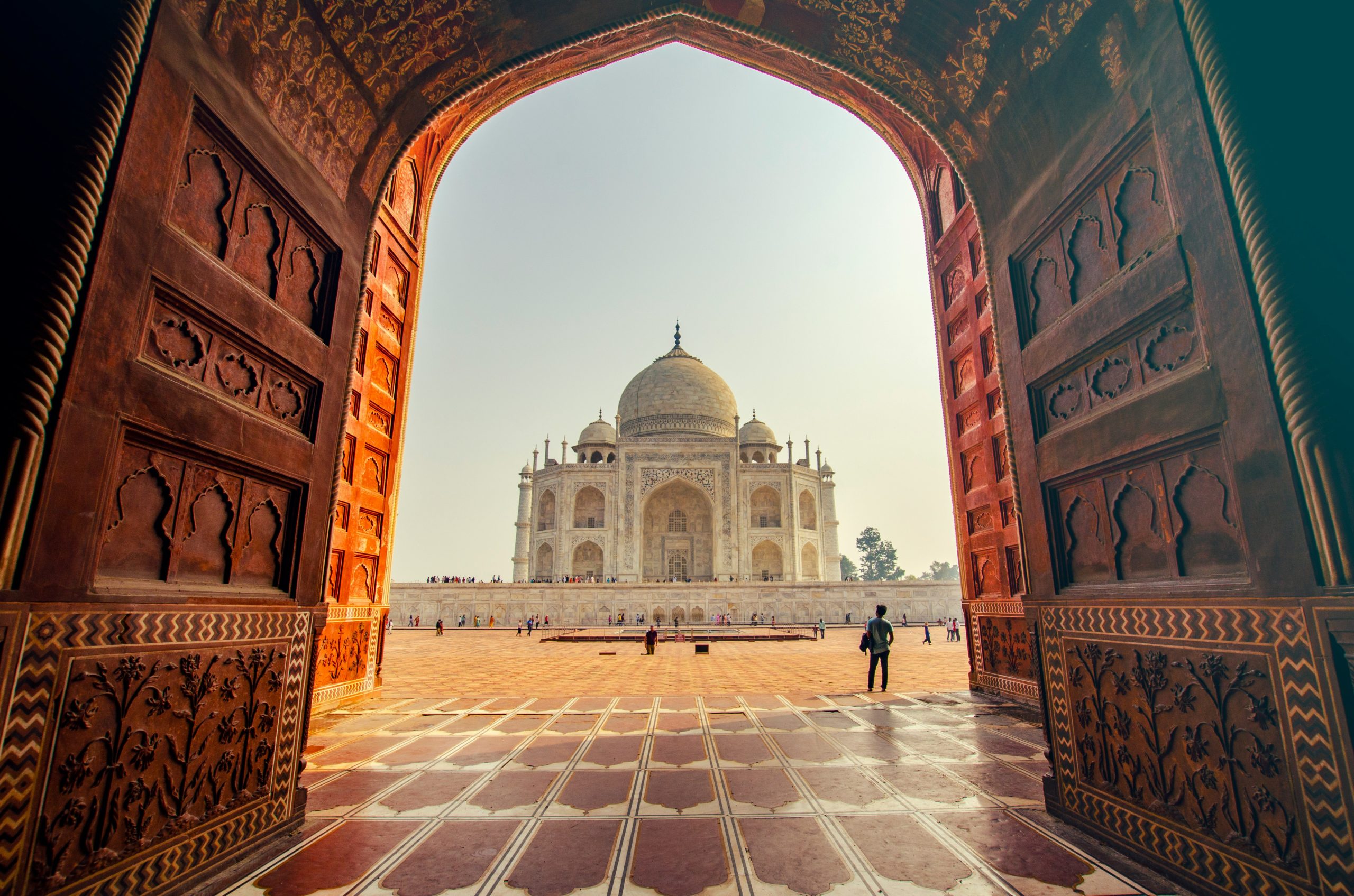

Tips For Travelling to India
Travelling to India offers one of the most diverse cultural experiences in the world. Whether you want to explore mountains, visit major cities, or discover religious destinations spread across a relatively small geographical area, India remains a top global destination.
But like any long-haul trip, proper planning, the right visa, and awareness of Indian law and local authorities’ guidelines are essential for a smooth and safe journey.
India Entry and Exit Requirements: E-Visa, Permits, and More
Before you enter India, ensure you have the correct and appropriate visa. Most travellers now use e-visa services offered by the government of India.
The e-visa system allows visitors from many countries to obtain an Indian visa online, making the visa application process easier. However, always check the official visa services page for updates because Indian authorities occasionally adjust requirements.
Travellers must check whether they need a yellow fever certificate, especially those coming from African or South American nations. You must also understand requirements for protected areas, including border zones like the India-Pakistan border, parts of Himachal Pradesh, Jammu and Kashmir, and locations near any land border. Some of these require special permits issued by the Indian government.
Visitors may also need to register with the foreigners’ regional registration office if they are staying long-term. If you exit India without following proper exit visa procedures in specific cases, you may face delays.
For driving, you should carry an international driving permit. Many states permit alcohol, but age restrictions vary, so check the legal drinking age in each union territory or state.
What to Know When Travelling to India: Local Customs, Etiquette, and Safety
India’s cultural diversity means norms vary across North India, East India, and Tamil Nadu. Respect at religious sites is mandatory, and wearing modest clothing helps avoid unwanted attention and reduces the risk of harassment in crowded areas.
Always seek advice from locals before entering forested and mountainous areas. The weather can change with little or no warning, especially during monsoon season.
Do’s and Don’ts for Travelling to India
Do Follow Local Laws
India has strict regulations regarding prohibited items, entry rules, and behavior in public places. Understanding the law helps you avoid fines or issues with authorities.
Research the rules for the states you plan to visit, as some have additional regulations on alcohol, photography, and conduct.
Do Use Reputable and Professional Guides
When exploring forested regions or complex tourist sites, travelling with professional guides significantly improves safety.
These guides know the terrain and restricted areas. They can help you avoid unsafe zones and ensure you follow local authorities’ guidelines.
Do Monitor Local News
Travellers should monitor local media for updates on civil unrest, transportation delays, and monsoon season disruptions. Local news outlets often issue warnings, especially in mountainous areas or regions with sudden weather changes.
Do Take a Taxi or Private Vehicle at Night
Big cities such as New Delhi can be crowded, busy, and unpredictable after dark. Using a licensed private vehicle reduces risks associated with public transport and navigating unfamiliar neighborhoods.
Do Carry Passport Copies and Police Contacts
Keep photocopies of your passport, Indian visa, and emergency numbers, including the nearest police station. This is helpful in case of theft, hotel checks, or when crossing land borders, where verification may be required.
Do Seek Local Advice Before Entering Rural or Forested Areas
Advice from locals is essential when travelling through rural areas or forested regions. Conditions can change quickly, and some zones may be home to wildlife, blocked roads, or require permits.
Do Respect Religious Groups and Practices
India’s religious sites are deeply significant, and behavior is closely observed. Dress modestly, remove your shoes when required, and follow instructions from temple staff or local authorities.
Respect for religious groups prevents misunderstandings and enhances your cultural experience.
Do Understand Air Pollution in Major Cities
Air pollution is a serious concern in big cities such as New Delhi, especially during winter and the post-harvest burning season in India.
Wearing a proper mask, limiting outdoor activity during peak smog hours, and choosing indoor, filtered accommodations can help protect your respiratory health. Those with pre-existing medical conditions should take extra precautions and consult a doctor before travelling to areas with high pollution levels.
Don’t Possess or Use Illegal Drugs
India enforces strict penalties for illegal drugs. Possession, purchase, or use can lead to arrest, court proceedings, and severe legal consequences. Even small quantities can result in long detentions or travel bans.
Don’t Ignore Warnings From Authorities About Civil Unrest, Weather, Etc.
When local authorities issue alerts about civil unrest, flooding, road closures, or safety concerns, follow their instructions immediately. Ignoring official guidance can put you at risk, especially during severe weather or emergencies.
Don’t Enter Restricted or Protected Areas Without Permits
Some regions—especially near the India-Pakistan border, parts of Jammu and Kashmir, and sensitive military zones—require special permits. Travelling without the correct documentation may lead to questioning by security forces or being denied entry.
Don’t Violate Local Norms
While same sex relationships are legal in India, social attitudes can vary widely in rural areas and smaller towns. Avoid public displays of affection and behavior that conflict with Indian customs to prevent uncomfortable encounters or verbal and physical harassment.
Don’t Photograph Sensitive Locations
Certain areas near the India-Pakistan border, buildings housing the government of India, military posts, and airports restrict photography. Violating these rules can result in confiscation of devices or questioning by local police.
Don’t Drink Untreated Water
Many travellers experience stomach issues due to contaminated water or poor hygiene. Drink bottled water, and avoid ice from unknown sources.
Don’t Wander Alone in Rural Areas
Rural areas can be difficult to navigate and may lack emergency services. Without a guide, travellers risk getting lost, encountering unsafe terrain, or entering restricted zones unknowingly.
Tour and Travel Options: The Best Way to Tour India
India’s tour destinations are incredibly diverse, offering everything from mountain adventures to temple circuits and wildlife landscapes. The best way to travel in India depends on the regions you choose and how you structure your journey.
Northern India
Northern India attracts travellers seeking historic monuments, mountain scenery, and spiritual experiences. When touring destinations such as Rajasthan, the Golden Triangle, and Varanasi, it helps to hire professional guides who understand crowded city layouts.
The weather can shift without warning in hilly and mountainous areas, so it is important to monitor local media for updates. Transport fills quickly during peak seasons, making advance booking for trains and domestic flights essential.
Eastern India
This region includes culturally rich cities and lush natural landscapes, from Kolkata’s colonial sites to the wildlife sanctuaries of Assam and the monasteries of Sikkim. When visiting rural and forested areas or wildlife parks, it is safer to travel with a trained guide who knows the terrain and any required permits.
Some routes may require clearances from indian authorities, so travellers should verify their plans in advance. Monsoons affect eastern states heavily, and road conditions can deteriorate quickly, making flexible travel plans a necessity.
Tamil Nadu and Southern India
Tamil Nadu and the greater southern region offer tourist attractions that span temple architecture, scenic coastlines, and major UNESCO sites. When visiting ancient religious destinations, respecting customs regarding dress and behavior is essential, as many temples enforce strict entry rules.
Travel distances across southern states are long, making domestic flights an efficient option.
Himachal Pradesh and Himalayan Destinations
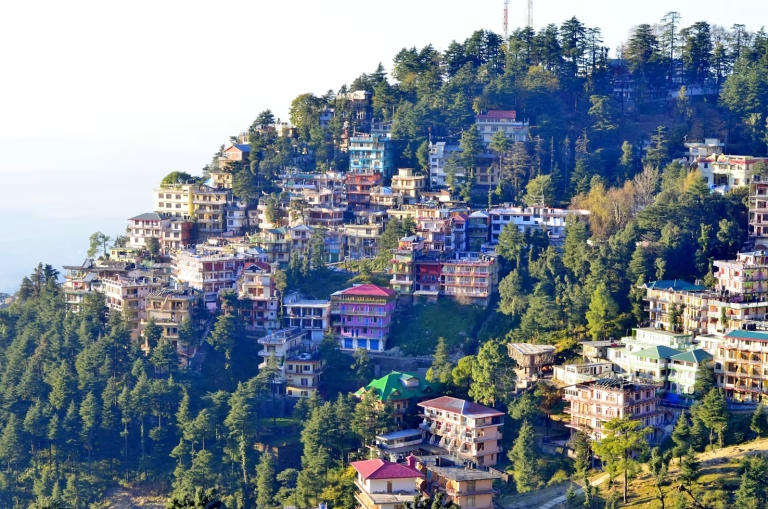
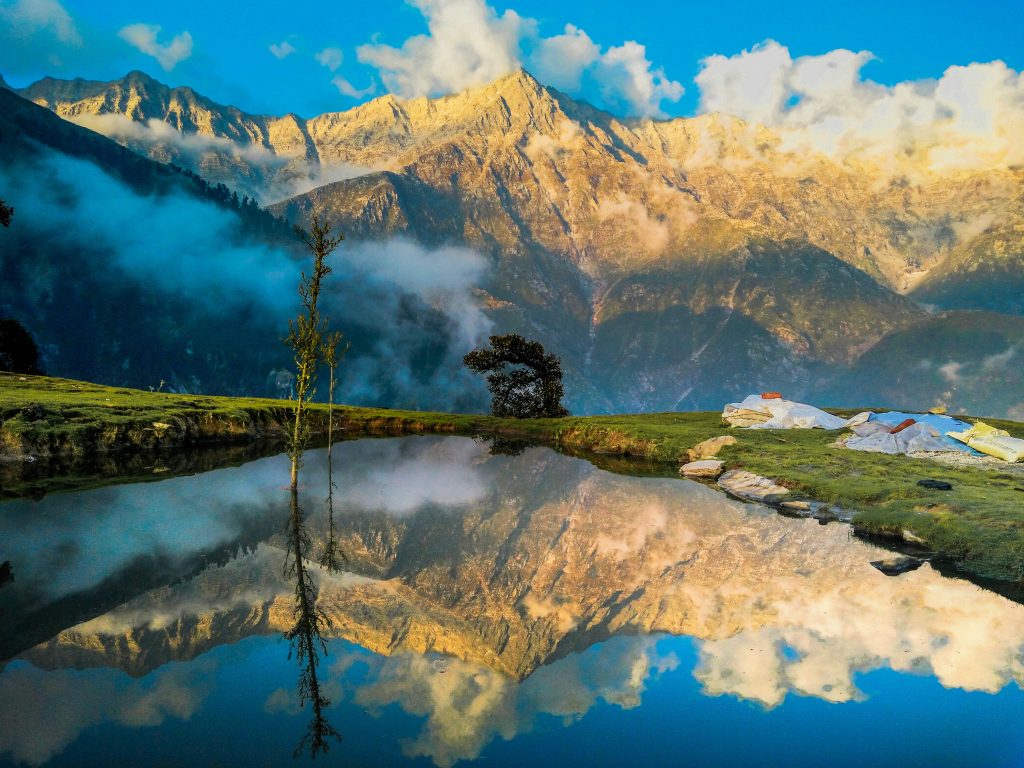
Himachal Pradesh and other Himalayan destinations remain popular for adventure tourism and nature-focused trips. Travellers planning treks or visiting remote mountain villages should always travel with licensed guides who understand weather patterns and safe routes.
Road closures can occur during severe weather, so itineraries should remain flexible. Visitors sensitive to altitude or with pre-existing conditions should also prepare accordingly.
Jammu and Kashmir
Jammu and Kashmir’s lakes, valleys, and ski resorts draw tourists year-round. However, travellers should note that some portions of this union territory include restricted areas that require special permits.
Local news should be monitored frequently, as conditions can change quickly. Working with experienced local guides helps visitors follow laws and cultural expectations while moving safely through the region.
Major Cities and Cultural Routes
Cities like New Delhi, Mumbai, Chennai, and Kolkata serve as gateways to most Indian tours.
Navigating these cities is easier and safer when travellers rely on a private vehicle rather than unfamiliar public transport, especially at night. Staying near major train stations or airport corridors helps streamline transfers between states.
Travel Safety in India
Most major cities and popular tourist sites are safe when precautions are taken. However, the government of India warns travellers to avoid certain restricted areas near international borders. Laws may differ from state to state and even across each union territory, so travellers should check regional regulations before planning activities.
Some countries have placed India on temporary red lists due to civil unrest in specific states, health concerns, pollution spikes, or regional tensions near the India-Pakistan border.
Sexual assault and harassment remain concerns in crowded areas. Visitors should stay vigilant, travel in groups when possible, and use licensed transportation.
Medical Care and Medical Tourism in India
Medical tourism is one of India’s fastest-growing industries due to high-quality but affordable medical care. However, travellers with pre-existing conditions should prepare thoroughly before they visit India.
Carry any prescription medication, check hospital locations near your accommodation, and avoid unsafe food or drinking water.
Tips Before You Visit India
- Make all travel plans in advance, especially during the monsoon season
- Keep digital and physical copies of your documents
- Know the states that permit alcohol and the legal drinking age in your destination
- Avoid travelling alone at night in unfamiliar areas
- Follow updates from local police through local media
- Respect Indian customs, especially in religious sites
- Stay aware of air pollution levels in major cities
FAQs About Travelling to India
Can US citizens travel to India right now?
Yes. They must apply for an e-visa or obtain a proper visa, depending on the travel purpose.
What is required for a US citizen to enter India?
A valid passport, an Indian visa or an e-visa, a return ticket, an address of accommodation, and sometimes registration at the foreigners’ regional registration office for long stays.
Who needs to fill India’s e-Arrival Card?
International travellers arriving by air from certain countries must complete the form. Check current guidelines from indian authorities.
What do I need to do before travelling to India?
Prepare documents, secure travel insurance, apply for the right visa, and monitor local news for travel advisories.
Which travel tour company is best in India?
Thomas Cook India, SOTC, and MakeMyTrip remain popular for international tourists.
How much does a tour guide cost in India?
USD 25–100 per day, depending on experience and region.