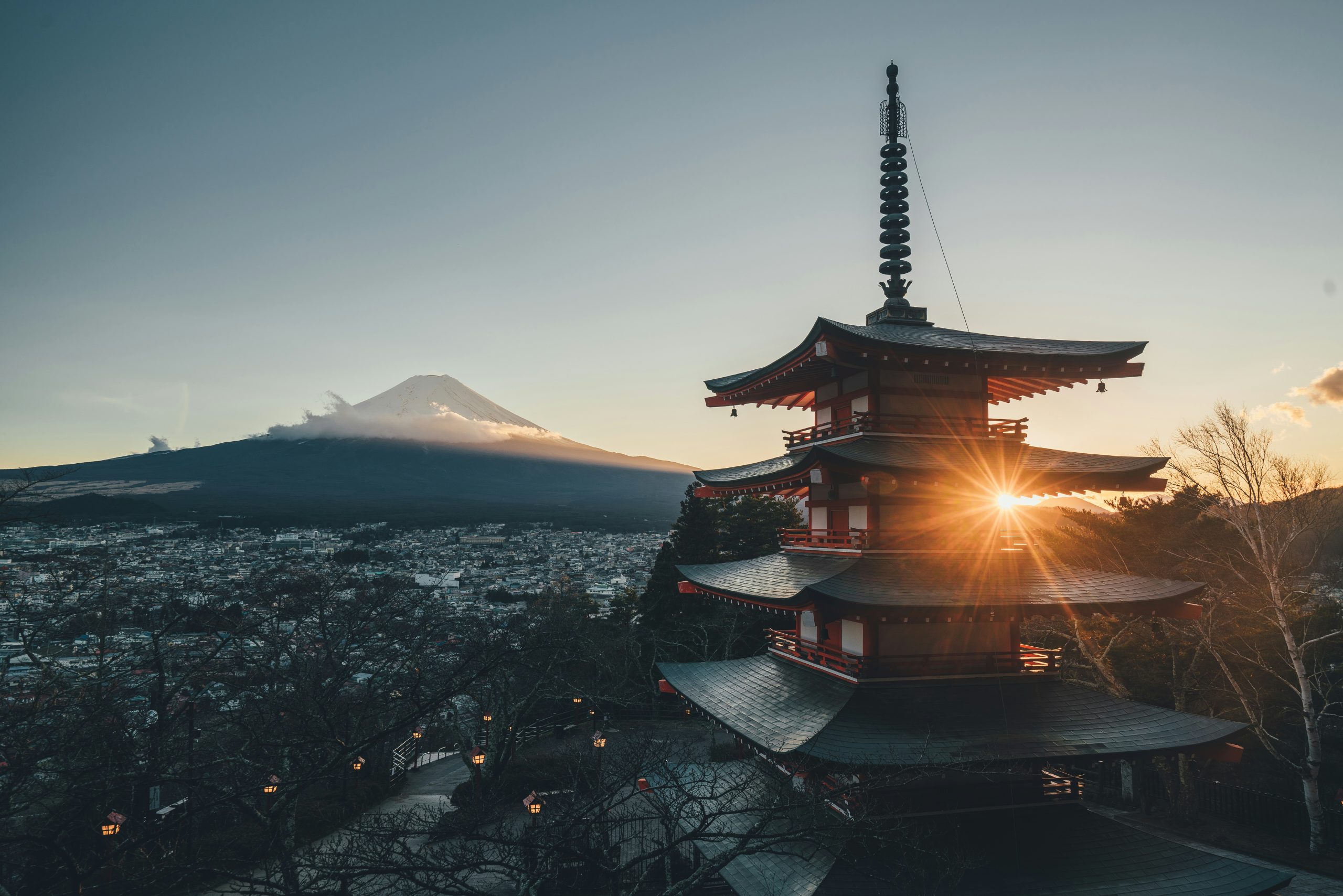

Quick Facts
- Official Name: Japan (Nippon / Nihon)
- Continent: Asia
- Capital City: Tokyo
- Population: Over 124 million people
- Currency: Japanese Yen
- Principal Language: Japanese
- Government: Constitutional monarchy
- Main Religions: Shinto and Buddhism
- Weather: Four seasons
Basic Information About Japan: Japan Facts to Know
Japan is an island country shaped by centuries of imperial history, foreign influence, and major turning points such as World War II. From its origins as a traditional imperial state to becoming a modern monarchy, Japan has developed a distinct national identity rooted in cultural continuity, sophisticated technology, and deep respect for tradition.
Japan’s modern political direction is largely guided by the prime minister, who oversees national policy and international diplomacy. With Japan established in its current form after the end of the Second World War and the surrender that followed the attack on Pearl Harbor, Japan’s government moved toward democratic reforms, peace-focused diplomacy, and close cooperation with the United States, the United Nations, and other member states. This post-war era also transformed Japan into a global economic leader while maintaining the symbolic role of the imperial family.
Today, Japan presides over the world’s third-largest economy, supported by advanced industry, technological innovation, and major urban centers like the Tokyo metropolitan area. Japan remains one of the largest economy leaders on the continent, driving technology, trade, and industrial development.
As a nation situated along the Pacific Ocean and the Pacific Ring, Japan continues to navigate regional relations with China, Korea, and Russia while playing a central role in the region’s political and economic landscape.
Japan Geography
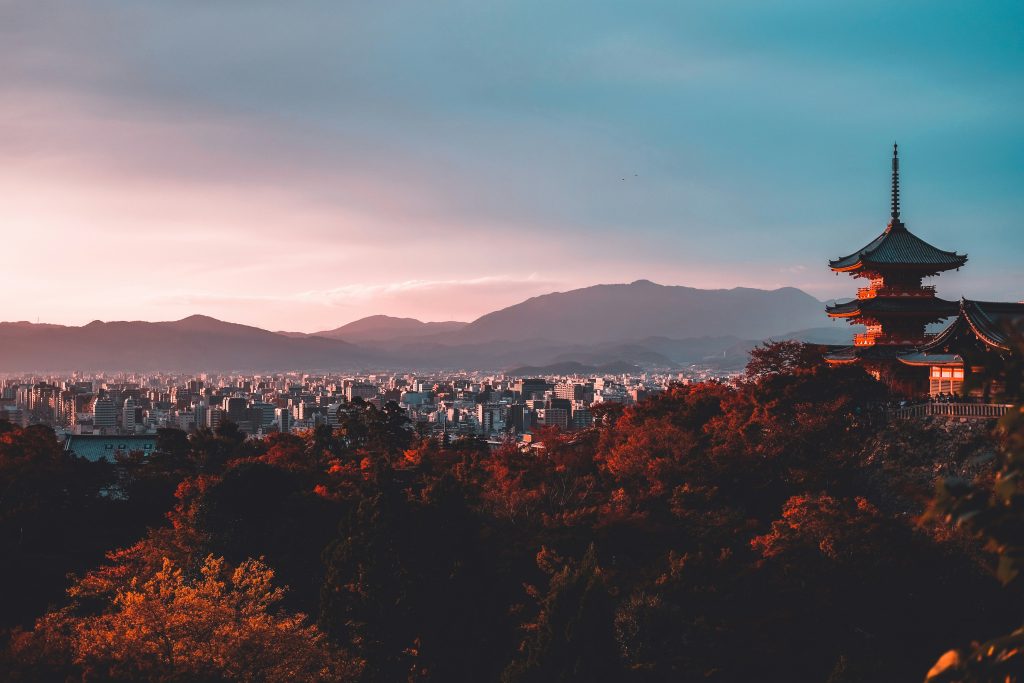
Japan, often called the Land of the Rising Sun, is an island country, stretching across the Pacific Ocean and sitting along the seismic Pacific Ring. Surrounded by China, Russia, and South Korea across nearby waters, Japan consists of four main islands plus chains such as the Ryukyu Islands and the Ogasawara Islands. Honshu, the largest island, is home to major cities including Tokyo, Kyoto, and Osaka.
Japan stretches along the Ring of Fire, which creates dramatic landscapes, hot springs, and active volcano areas. More than one-third of Japan’s land area is mountainous, which shapes settlement patterns, agriculture, and transportation.
The Northern region experiences long winters and extended periods of snowfall, while Okinawa and the southern regions offer warm tropical climates. The combination of islands, ocean currents, and mountainous land also influences fisheries, agriculture, and climate change concerns.
Japan in East Asia
Japan is part of Northeast Asia, positioned east of the Korean Peninsula and slightly smaller in total land area compared to many neighboring countries.
Its strategic location in the Pacific Ocean has historically shaped trade, foreign influence, and military conflict, including the attack on Pearl Harbor and the later confrontation between Japan and the Soviet Union during World War II. Leadership decisions by the prime minister also shape Japan’s regional strategy and cooperation with neighboring countries.
Japan is located near several nations with ongoing international disputes, though the government generally prioritizes diplomacy and settling international disputes through peaceful cooperation with global organizations.
History of Japan
Japan’s long history stretches from prehistoric settlements to one of the most influential civilizations on the continent.
Early Japanese society developed under significant Chinese cultural influence, adopting writing systems, Buddhism, and political models during the classical imperial periods. During this time, Japan was heavily influenced by Chinese philosophy, administrative systems, and cultural practices.
Relations with China also played a crucial role in forming early government structures and philosophical ideas in Japan. Over centuries, power shifted among imperial courts, aristocratic clans, and shogunate governments, shaping a feudal structure that defined Japanese culture, warfare, and social order.
By the mid-19th century, Japan ended centuries of isolation during the Meiji Restoration, centralizing national authority under the imperial family and rapidly modernizing its economy, military force, and social systems. This modern force later became central to Japan’s expansion and conflicts. As industrialization accelerated, Japan expanded its influence, later becoming a major regional power and engaging in conflicts with neighboring states, including China and Russia.
Japan’s role in World War II profoundly changed the country’s trajectory. The attack on Pearl Harbor and the later confrontation with the Soviet Union marked the height and collapse of imperial expansion. Following Japan’s surrender in 1945, the United States’ occupation reshaped the political landscape, limiting military capabilities and introducing democratic reforms.
In the decades that followed, Japan rebuilt quickly, becoming a key ally of Western nations and emerging as one of the world’s third-largest economies. Japan established a monarchy, with real authority resting in a parliamentary system led by a prime minister, while the emperor maintained a symbolic status. Japan also joined the United Nations, strengthened its diplomacy, and became an active voice in settling international disputes.
Today, Japan balances a rich historical legacy with modern innovation, maintaining strong ties with Korea, China, and other partners while continuing to influence global culture, technology, and international cooperation.
Japanese People and Japanese Society
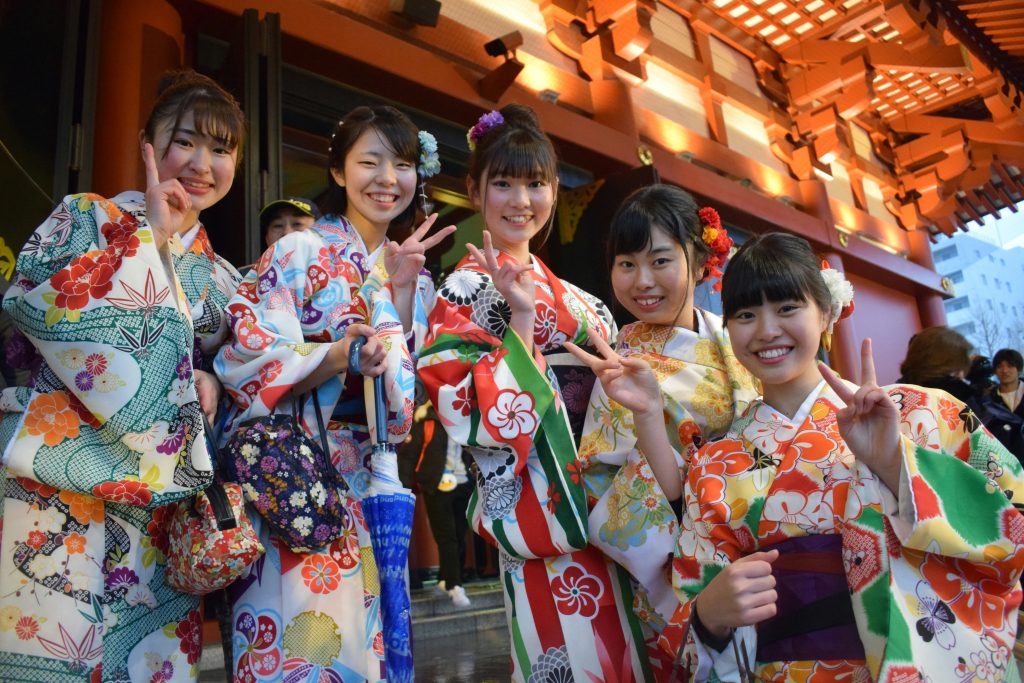
Japanese society is often described as highly organized, respectful, and deeply connected to cultural traditions that have developed across centuries.
The values of harmony, social responsibility, and collective identity continue to influence how Japanese people interact in schools, communities, and workplaces. These social values are visible in everything from polite public behavior to structured corporate culture and national priorities on cooperation and stability.
Japan’s population is more than 124 million, making it one of the most populated countries in the region, although the nation now faces long-term demographic challenges.
Many locals live in large metropolitan regions, especially in the Tokyo metropolitan area, which is among the largest urban zones in the world. Districts such as Minato-ku highlight Japan’s blend of modern business centers, international communities, and cultural attractions. The largest cities also serve as economic hubs, connecting transportation networks, advanced industries, and major corporate headquarters.
Other major population centers are found in central and northern Japan, while more rural and southern regions like Okinawa have smaller communities but rich cultural uniqueness. Okinawa has its own cultural identity shaped by Ryukyu heritage, traditional music, and historical trade connections.
Despite being technologically advanced and urbanized, Japanese society continues to preserve traditional customs, religious practices, and ceremonies. Long-standing cultural elements such as Shinto rituals, Buddhist temples, classical arts, and seasonal festivals remain part of everyday life for the people.
Language also contributes to a strong national identity. The Japanese language is spoken almost uniformly throughout the country, even though regional accents exist in the central and northern regions. The writing system of Japan combines Chinese characters with native phonetic scripts, reflecting both historical Chinese influence and unique linguistic development.
Japanese people enjoy one of the highest levels of health, safety, and life expectancy in the world. Public healthcare, clean urban planning, and strong community awareness contribute to this global ranking, while cultural respect for nature, food balance, and social responsibility continue to shape how many Japanese approach daily life.
Japanese Government: Basic Information
Japan functions as a constitutional monarchy. The imperial family remains a deeply symbolic institution under His Majesty’s reign, currently Emperor Naruhito. However, real political power is exercised by the elected parliament and the prime minister. The Liberal Democratic Party has dominated national politics, guiding major policies on the economy, foreign affairs, climate change strategies, and defense.
Japan does not have a traditional military force; instead, the Japan Self-Defense Forces operate strictly for national protection, peacekeeping missions, and humanitarian operations. This defense force structure was established after the Second World War and continues under constitutional restrictions. Military personnel work closely with allied nations, especially the United States.
Japan’s Economy
Japan’s economy is one of the world’s third-largest and remains a core economic power in the wider world. As one of the largest economy contributors on the planet, Japan continues to influence global markets and financial systems.
After Japan established its modern post-war system, rapid industrial growth transformed the country into a global leader in manufacturing, exporting automobiles, electronics, robotics, and precision engineering technologies.
Major brands from Japan, especially the capital, Tokyo, continue to influence international markets and shape consumer trends worldwide. According to the World Bank, Japan continues to rank among the most developed countries in terms of industrial output and technological capacity.
While Japan is often associated with automotive manufacturing and electronics, Japan’s economic base is much broader. The nation is active in steel production, shipbuilding, chemicals, heavy machinery, medical equipment, and advanced technology sectors.
Japanese companies invest heavily in research and development, supporting innovation in robotics, artificial intelligence, high-speed transportation, and green energy.
Japan depends heavily on imported fossil fuels due to limited natural resources and arable land. As a result, nuclear power plants and alternative energy strategies became essential to maintaining energy security, though public debate continues regarding energy policy, climate change, and sustainability goals. Reports from the World Bank also highlight Japan’s long-term efforts to transition toward cleaner energy.
Although Japan experienced rapid growth from the 1950s to the 1980s, the country has also gone through periods of economic stagnation and low inflation. These challenges relate to demographic shifts, global competition, and financial slowdowns.
However, Japan remains a leading global economy measured by the World Bank, with strong financial institutions, highly educated labor, technological sophistication, and powerful international partnerships. Economic reforms, energy strategies, and global trade negotiations are often outlined by the prime minister in coordination with Japan’s parliament and major ministries.
Today, Japan continues to balance modernization with traditional business structures, while seeking new solutions for population decline, global competition, and sustainable energy development.
Japanese Cuisine, Culture, and Life Expectancy
Japan’s cuisine is famous worldwide, from sushi and ramen to regional specialties found in central Japan, Tokyo, or the far southern islands. Food culture reflects centuries of tradition, seasonal ingredients, and respect for presentation.
Culturally, Japan remains a global trendsetter in fashion, design, cinema, and entertainment. Many Japanese customs, including tea ceremonies and festivals, continue unchanged despite modern lifestyles.
Life expectancy in Japan is among the highest in the world. Many Japanese enjoy long and healthy lives due to balanced diets, active lifestyles, low crime rates, strong healthcare systems, and a cultural emphasis on community well-being.
Public health programs, advanced medical care, and social respect for elders contribute to longevity. Japan’s long life expectancy is a major part of the country’s global reputation, though it also presents demographic challenges, such as an aging population and a shrinking workforce—issues that the Japanese government continues to address through policy, innovation, and social support.
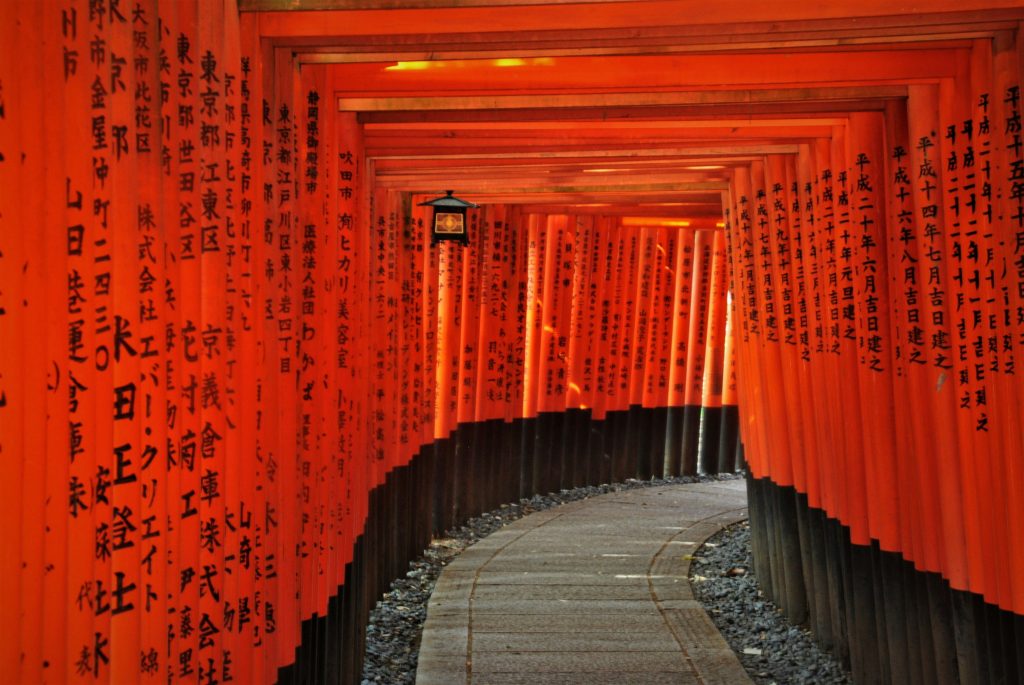
Japan also attracts millions of tourists every year. Visitors explore ancient temples, imperial palaces, modern skyscrapers, and coastal landscapes along the Pacific Ocean. Tokyo, Kyoto, Hiroshima, and Hokkaido rank among the most visited places in Japan, while remote islands such as the Ryukyu Islands appeal to nature lovers and adventure travelers.
Gambling in Japan is heavily regulated, and most forms of casino-style gambling remain restricted under national law. However, certain public sports betting, such as horse racing, bicycle racing, and motorboat racing, are legal and widely popular.
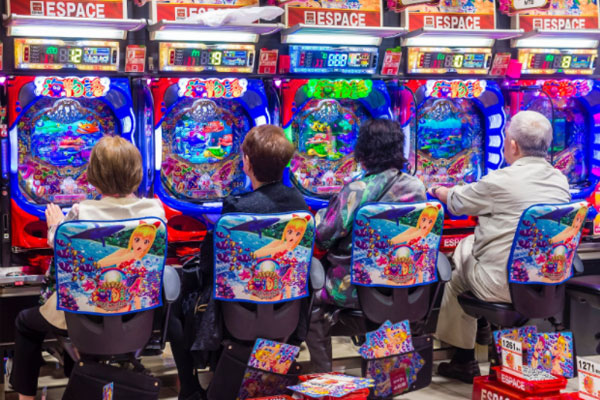
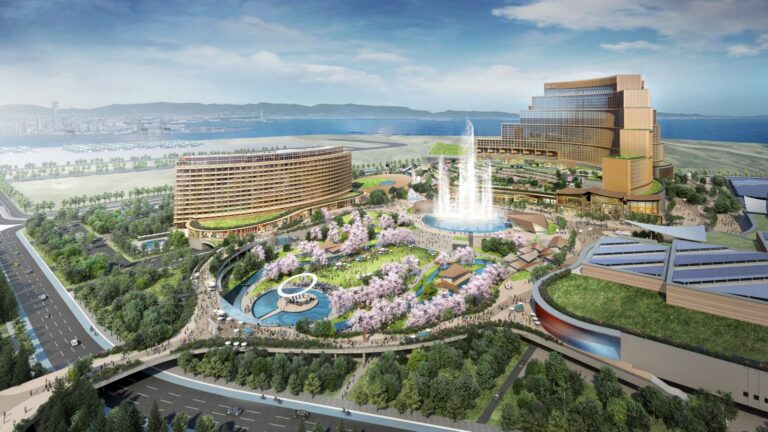
Pachinko parlors operate throughout the country and are considered entertainment rather than traditional casinos, although they function as a major part of the gaming industry. Recently, Japan approved integrated resort casino projects in selected locations under strict licensing, aiming to boost international tourism and economic development while maintaining regulatory control.
Country Profile Summary
Japan is an island country in East Asia located along the Pacific Ocean and shaped by centuries of cultural development, foreign influence, and major historical turning points. Formed across four main islands and several smaller chains, Japan sits within the Pacific Ring and experiences frequent natural activity from tectonic plates and active volcano zones.
Modern Japan emerged after the Second World War, transitioning into a monarchy under Emperor Naruhito with political authority led by a prime minister and a parliamentary system dominated for extended periods by the Liberal Democratic Party.
The nation maintains close international cooperation, especially through the United Nations, while engaging diplomatically with neighboring countries, including China, Korea, South Korea, and Russia.
Home to more than 124 million people, Japan is highly urbanized, with its largest population concentrated in the Tokyo metropolitan area and other major cities across central Japan and northern Japan.
Japanese society values harmony, order, education, and collective responsibility, contributing to long life expectancy, strong public services, and one of the world’s most technologically advanced lifestyles.
Japan’s economy is the world’s third largest, built on advanced industries including automotive manufacturing, electronics, robotics, and precision technology. Despite extended periods of economic stagnation, Japan remains a major global economic force measured by the World Bank, and continues to influence global culture, scientific innovation, and international cooperation.
Basic information from the World Bank consistently recognizes Japan’s global economic contribution and its leadership in financing development programs throughout Asia and the wider world.