
Tips for Travelling to Japan
Travelling to Japan is a dream for many foreign tourists. The country blends ancient traditions with high-tech convenience, beautiful landscapes, major cities, and friendly people who are usually glad to help.
Whether it’s your first or your last trip, these Japan tips will help you plan ahead, avoid surprises, and make your experience more enjoyable.
Japan is famous for its unique customs, advanced public transportation, and unforgettable cultural experiences. If you are visiting Japan soon, here are all the tips and cultural guidelines that make a trip to Japan easier, especially for first-time travelers who may worry about the language barrier.
Before Your Japan Trip: Steps for Entering Japan
Before your trip to Japan officially begins, there are several requirements you should prepare. Most foreign travelers must check if they need a tourist visa, depending on their nationality. Tourist visa rules in Japan can change, so it’s smart to plan ahead and confirm requirements a few weeks before your flight.
At immigration, Japanese authorities may ask basic questions like how long you plan to stay, where you will be staying, and whether you have a return ticket to leave Japan. It’s normal and only takes a few minutes. Keep your hotel booking details ready on your phone.
Japan now uses digital immigration and customs forms that can be filled out online. This helps you move faster through Tokyo Narita, Tokyo Haneda, and other major airports. When travelling to Japan, particularly during busy seasons such as Golden Week, entering the country might take longer because there are more travelers.
When you arrive, you will receive an entry stamp indicating when you must leave Japan. Make sure your passport is valid for the entire duration of your Japan stay. If you plan a car rental, remember that Japanese authorities require a driving permit before entering Japan. It cannot be issued in Japan, so apply in your home country first.
Etiquettes to Observe in Japan for First-Time Travelers
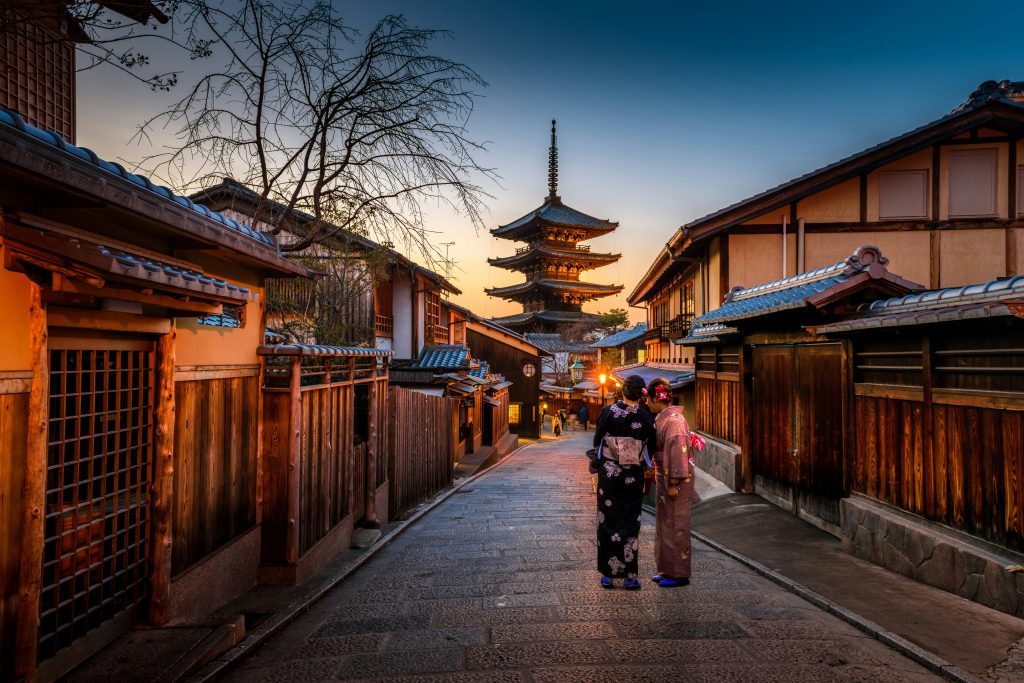
Japan values harmony, respect, and consideration for others, which can feel different for foreigners and first-time visitors. Whether you’re travelling to Japan for a short holiday or planning a longer trip, knowing simple cultural practices makes more sense than memorizing every rule.
Many Japanese people understand that visitors may not speak Japanese, so all you really need are basic Japanese phrases and these practical tips to help you enjoy your visit with confidence.
Eating in Japan
Once you arrive in Japan, you will quickly notice how meals are treated as something special. Even in big cities and convenience stores, food is prepared with quality in mind. When you are visiting Japan and dining with locals, these simple rules will be greatly appreciated.
Don’t Sit Just Anywhere
Seating arrangements may be symbolic, especially at traditional restaurants or a traditional inn. When invited to a formal meal in Japan, wait for instructions.
Don’t Raise Your Food Above Your Mouth
Food should go directly to your mouth without being lifted too high.
Don’t Place Chopsticks on Your Bowl
Use the chopstick rest available in most restaurants in Japan. If there isn’t one, use the wrapper.
Don’t Poke Food
Ask for a spoon instead of poking with chopsticks.
Don’t Use Hands to Catch Food
Just let food fall.
Do Slurp
Slurping noodles in Japan means you enjoyed the meal.
Do Eat Soup With Chopsticks
Eat solids with chopsticks, then sip the broth.
Do Arrange Dishes After Eating
Stack dishes neatly and place chopsticks on the rest.
Drinking with Japanese Locals
Drinking culture is part of everyday life in Japan’s major cities and small towns. Many Japanese enjoy drinks after long workdays, and joining them can be a fun part of your trip. Here are more tips for a good experience drinking with Japanese locals.
Don’t Pour Your Own Drink
Let others pour for you.
Don’t Drink Ahead
Wait until everyone has their drink for a shared toast.
Don’t Drink from the Bottle
Bottles are for sharing in Japan. Do not drink directly from the bottle, and let others pour your drink into your cup or glass.
Don’t Reject a Drink
Leave your glass full when you’ve had enough.
Do Join a Toast
Say kanpai and enjoy good company in Japan.
Do Try Ramen After Drinking
Many locals enjoy ramen after drinks, especially in major Japan cities like Tokyo and Osaka.
Do Know How to Drink Sake
Sip slowly, enjoy the aroma first.
Visiting a Japanese Home
Meeting Japanese locals and being invited into a home gives foreigners a deeper look into the Japanese lifestyle.
Don’t Be Late
Being on time is expected in Japan.
Don’t Invite Guests Without Asking
Ask before bringing someone along.
Don’t Overindulge
Show respect, converse, and keep things modest.
Do Bring a Gift
Bring omiyage or snacks when visiting a Japan home to show appreciation.
Do Take Off Shoes
Remove shoes at the genkan and use indoor slippers.
Japan Tips for a Smooth Travel Experience
Carry Cash
Although most hotels in large Japan cities accept credit cards, Apple Pay, and other e-wallets, many small shops prefer cash payments. Vending machines, shrines, small restaurants, and rural shops in Japan may only take Japanese yen.
Use Google Maps
Google Maps works extremely well in Japan for public transportation, train stations, JR trains, subways, and local trains. You can also compare prices of routes and see travel times.
Download Google Translate
Download offline Japanese language packs. Google Translate helps you read menus, signs, and talk to Japanese people if the language barrier becomes difficult.
Get an International Driving Permit (If Applicable)
If you plan to rent a car outside big cities, you must get a driving permit before you leave for Japan. Authorities will not issue one in Japan.
Buy a SIM Card or Pocket Wi-Fi
Buy a SIM card or pocket wifi at the Japan airport for fast navigation and translation.
Get a JR Pass or Book Domestic Flights
Japan’s JR Pass is useful for long-distance bullet train trips, but domestic flights can be cheaper between major cities like Tokyo, Osaka, or Sapporo.
Buy From Convenience Stores
Family Mart and other convenience stores in Japan offer bento boxes, snacks, and ATM withdrawals in English.
Set Hotel Room Expectations
Hotel rooms in Japan are smaller than Western standards. Business hotels are common and affordable, but advance booking is recommended before your trip to Japan.
Get Travel Insurance
Buy travel insurance for medical issues, trip delays, and natural disasters. Japan is safe, but earthquakes and typhoons do happen.
Wear Comfy Shoes
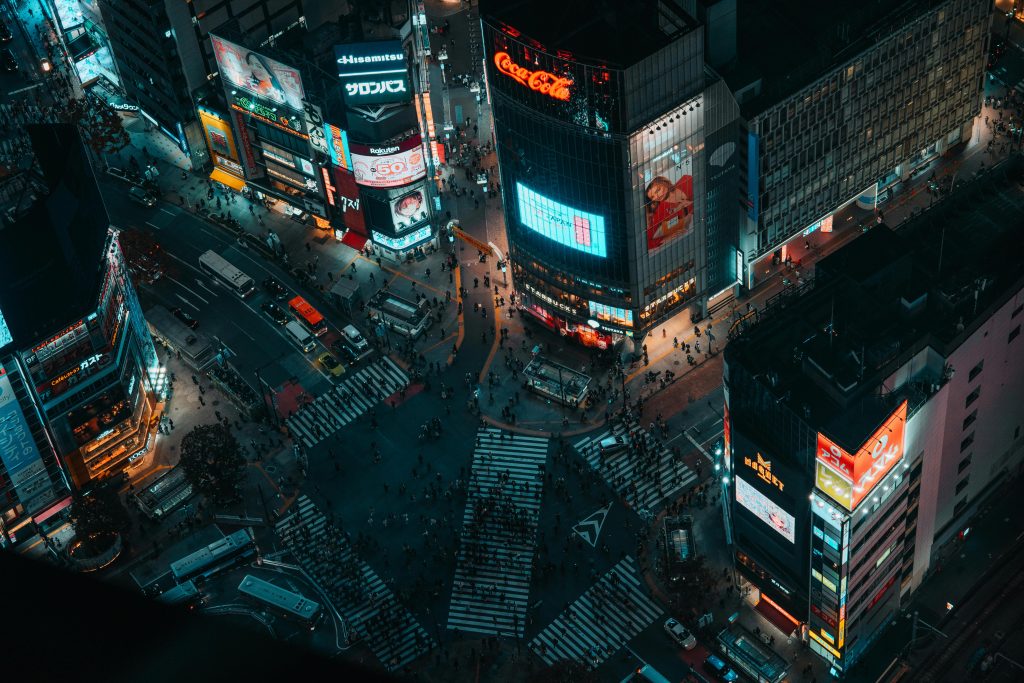
You’ll walk a lot in Japan, especially at train stations and tourist attractions like Shibuya Sky. If this is your first week in Japan, take things slowly and don’t try to visit too many major cities at once.
Japan has so much to experience that first-time visitors often feel overwhelmed during their first week, especially when adjusting to train stations and different cultural habits.
Try Kimono Rentals
Kimono rentals are popular near Japan’s temples. Remember to behave respectfully when visiting temples.
Experience Hot Springs
Trying a hot spring or onsen is a must during your trip to Japan. Be aware that tattoos may not be allowed in traditional Japanese inn spaces, though many modern facilities welcome foreigners.
Travel Safety in Japan: What First-Time Visitors Should Know
Japan is considered one of the safest countries in the world, which is why travelling to Japan is popular for solo trip travelers, first-timers, and families. Crime rates are low, public transportation is reliable, and Japanese people are generally very helpful toward foreign tourists. Even in big cities like Tokyo and Osaka, walking at night is usually safe, and train stations have clear signs and station staff ready to assist.
That said, Japan experiences natural disasters from time to time, including earthquakes, typhoons, and occasional volcanic activity. First-time travelers should download official safety apps recommended by the authorities in Japan and pay attention to alerts issued in English.
When visiting major cities, keep your belongings close in crowded areas such as Shibuya Sky, festivals, and public transit. Although theft in Japan is rare compared to other destinations, carrying valuables securely is always good practice. Most hotels in Japan offer secure storage, and convenience stores and public locations are typically safe to enter at any time of day.
Emergency numbers are straightforward, and many operators in Japan speak English. If a language barrier arises, using Google Translate can help you communicate during emergencies. Having a SIM card or pocket wifi ensures you can check updates, compare prices for transport changes, and find the nearest police station or hospital if needed.
A trip to Japan is extremely safe for foreigners, first-time visitors, and solo explorers, and your Japan trip will most likely feel comfortable, organized, and welcoming from start to finish.
More Japan Travel Tips and Information for First-Timers
- Collect Japan commemorative stamps at train stations and tourist sites.
- Keep track of typhoon and earthquake alerts when visiting Japan.
- Stay connected for maps and translation.
- Evaluate if the JR Pass saves money based on your itinerary.
- Use public transportation in Japan, as driving in cities can be confusing for first-time visitors.
- Most hotels accept credit cards, but small shops may not. Always carry Japanese yen.
- Japan’s vending machines sell everything from drinks to snacks and are convenient during day trips.
- Book business hotels early, especially during Golden Week and festival dates.
Myths About Travelling to Japan
You May Need an Interpreter
The Truth: Most Japanese residents in major cities and train stations can communicate simple English, and many foreigners manage even without speaking Japanese. Still, learning Japanese words and basic Japanese phrases helps a lot.
Google Translate works offline, and authorities are increasing English signage in airports like Tokyo Narita and Tokyo Haneda to assist foreign tourists.
Knowing the Japanese Language is Necessary
The Truth: Knowing Japanese language is not required for a short trip, although learning Japanese phrases makes more sense if you plan to stay a few weeks or want to meet locals in rural Japan. If you cannot speak Japanese, simple gestures go a long way.
There is Nothing Beyond Big Cities
The Truth: Japan has beautiful rural scenery, traditional villages, and small towns with relaxing hot spring resorts. When visiting Japan, go off the beaten track on day trips by local trains, JR trains, and the bullet train.
Cherry Blossoms are the Only Best Time
The Truth: Cherry blossoms are wonderful, but Japan has fantastic summer festivals, amazing autumn leaves, and winter skiing and snowboarding. Avoid Golden Week crowds if possible.
Hiring a Tour Guide is Required for Your First Trip to Japan
The Truth: A tour guide is optional for most foreign travelers. English information, Google Maps navigation, JR Pass directions, and station staff are often enough for first timers.