
Where to Live in Japan
Japan offers a fascinating mix of modern cities, peaceful coastal areas, and mountain towns that give newcomers many choices when deciding where to live.
Many expats and international residents are drawn to big cities in Japan with convenient travel options, international schools, and job opportunities. Others choose slower-paced regions with affordable living, outdoor activities, and easy access to nature. Japan is also known around the world for offering safe, modern, and welcoming urban environments.
These different lifestyles make it easier for anyone who wants to live in Japan to find a location that matches personal preferences and goals. The country offers everything from fast-paced metropolitan areas to peaceful coastal towns, making relocation decisions very personal.
Best Cities to Live in Japan
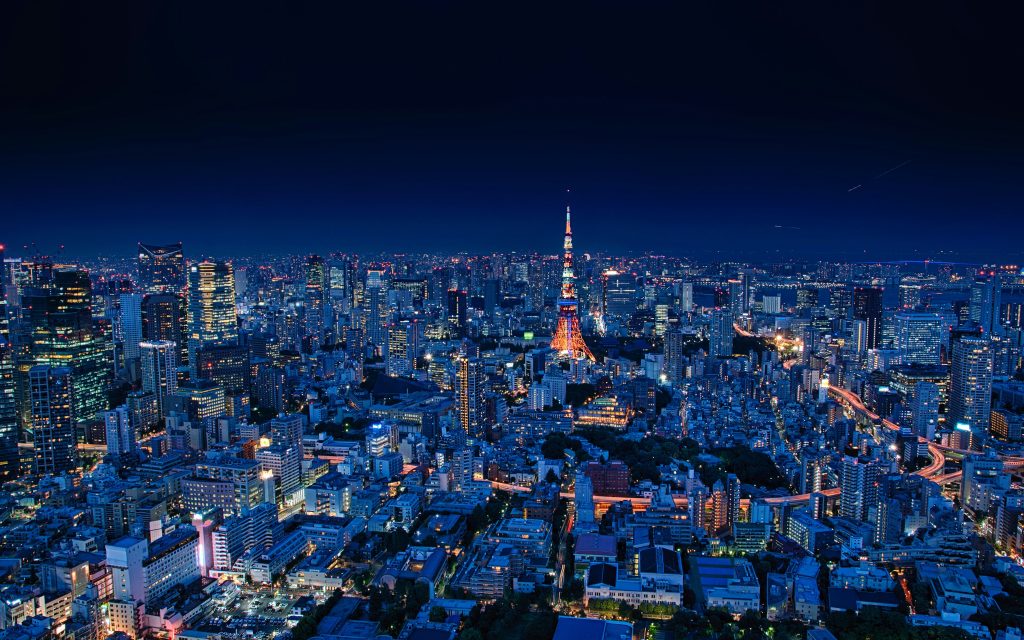
Choosing the best cities to live in Japan depends on what kind of lifestyle you’re looking for. Some people prefer the energy of big cities filled with modern conveniences, while others look for quieter neighborhoods in Japan with cheaper living costs and easy access to nature.
Tokyo continues to be the most researched destination for foreigners planning to relocate. But the land of the rising sun’s diverse regions offer something for every type of resident—whether you’re planning to move to Japan for work, study, or simply experience life in one of the world’s most fascinating countries.
Each region across the country offers different cultural experiences, climates, and lifestyles. These are the cities that attract visitors from around the world who are curious to see how daily life really operates in Japan. No matter which region you choose, the country provides countless opportunities for culture, learning, and a new chapter of life.
Tokyo: The Central City in Japan
As the capital city and Japan’s largest city, Tokyo is a global center of cutting-edge technology, culture, and business. Living in Tokyo feels like being at the center of Japan and the entire world.
Tokyo will always remain the city most closely associated with Japan’s global image and modern lifestyle. It has museums, art galleries, temples, street food markets, and shopping districts.
Tokyo is often named the most expensive city in Japan, with high costs and one-bedroom apartment rent sometimes higher than in other countries. Tokyo dining costs are also higher compared to other urban centers.
But for expats, Tokyo offers international schools, foreign companies, and easy travel options. Public transportation is excellent, making urban living in Japan easier even without a car.
Many newcomers choose Tokyo first before exploring other locations across Japan. The capital regularly ranks among the safest cities in the world due to its infrastructure and efficient public services. In fact, Tokyo’s infrastructure is considered among the most advanced in the country.
Yokohama: Japan’s Second-Largest Port City
Yokohama is Japan’s second-largest city and a historic port city near Tokyo Bay. It feels more relaxed and offers a more affordable cost of living while still having modern amenities.
Many Japanese and foreigners enjoy its street food, parks, waterfront areas, and easy travel to other areas. The short train ride to Tokyo makes commuting practical for many residents.
Osaka: Food, Fun, and Friendly Urban Living in Japan
Osaka in the Kansai Region of Japan is known worldwide as Japan’s kitchen, aka the food capital of the world. Warm and friendly locals, mouth-watering food such as miso ramen and takoyaki, and a casual atmosphere make Osaka the best city in Japan to enjoy life. Osaka also plays a major cultural role in the country thanks to its food traditions and vibrant neighborhoods.
Osaka is one of Japan’s big cities, but cheaper than Tokyo, although job opportunities are fewer. Cities like Nara, Kobe, Kyoto, and Hiroshima are close, making Osaka great for weekend trips. Flights from Osaka to Tokyo are frequent, affordable, and convenient for weekend travel.
Kyoto: Japan’s Culture Hub and Cherry Blossom Center
Kyoto is Japan’s cultural capital, filled with Shinto shrines, temples, gardens, and traditional neighborhoods. Life here blends modern amenities and rich cultural heritage.
Kyoto offers a slower life, a beautiful cherry blossom season, and more affordable housing than Tokyo. Even from Kyoto, bullet train travel to Tokyo takes only a few hours, making cultural Japanese trips easy.
Fukuoka: Southern Japan’s Relaxed Coastal Hub
Located on Kyushu Island, Japan, Fukuoka is a small city surrounded by mountains and the sea. It’s growing quickly, with a youthful vibe, lots of activities, and mouth-watering food like pork ramen.
Near the American Village area and Korea by ferry, it’s extremely convenient for international travel to and from Japan. Plus, many companies in Fukuoka maintain partnerships with major corporations based in Tokyo.
Sapporo: Japan’s Go-To for Nature, Snow, and Outdoor Activities
Sapporo in Hokkaido, Japan, offers colder weather, ski resorts, and beautiful parks. Outdoor enthusiasts love snow festivals, winter sports, and nature trips.
The cherry blossom season here is especially worth visiting, often considered more beautiful than in the rest of Japan. Seasonal flights connect Sapporo with Tokyo year-round for tourism and business.
Fujisawa: A Taste of Coastal Living Near Tokyo
This coastal city in the Chubu Region of Japan offers stress-free living, relaxed beaches, and affordable housing.
It’s close to Tokyo but far from crowds, making it the best city for expat families and people seeking modern amenities in Japan without big city pressure. Many Fujisawa residents commute to Tokyo daily due to short train travel times.
Japanese Cities Where Most Foreigners Live
Most foreigners and English speakers live in Japanese cities located in the Kanto Region, especially in the capital city of Tokyo. Many international residents assume that living in the city center is necessary for good job opportunities, but cities outside Tokyo offer excellent modern amenities, cheaper living costs, and stress-free lifestyles.
Popular cities in Japan include Shinjuku, Chuo, Shibuya, Minato, and Chiyoda. However, many expat families live in Ebisu Hiro, Iidabashi, Aoyama, and Roppongi, which have international schools, global companies, and convenient public transportation.
Many international students also move to these districts when applying for student visas and attending language schools or universities in Japan.
For non-Japanese speakers, these districts in Japan are often easier because locals are used to helping newcomers who are only starting to learn Japanese. Tokyo is generally considered the easiest city for English speakers because services cater to global residents.
Live in or Visit Japan: What Region of Japan is Worth Visiting or Living In?
Japan’s regions each offer unique lifestyles:
- Kanto Region – urban city life, convenient travel, job opportunities
- Kansai Region – cultural capital areas, rich cultural heritage, friendly locals
- Kyushu Island – warmer climate, slower pace, outdoor activities
- Chubu Region – affordable cost of living, beautiful parks, central location
- Tohoku Region – peaceful countryside, nature, lower living costs
- Mainland Japan coastal areas – seafood, port city access, outdoor enthusiasts
So, what is the best part of Japan to live in? The answer depends on important factors like cost, work, and lifestyle. Tokyo is the obvious choice for many, because Tokyo dominates the Kanto Region culturally and economically. But southern Japan, the Kansai Region, and Kyushu Island are rising in popularity.
Cheapest and Safest Cities to Live in Japan
Japan is considered a very safe city environment. Tokyo remains one of the safest major cities globally despite being extremely urbanized. Places like Kyoto, Fukuoka, and Sapporo are known for being both safe and affordable options for people who want to live in Japan.
In many major cities, a one-bedroom apartment outside the city center costs significantly less, making everyday life in Japan more budget-friendly. For those wondering about monthly expenses, living on around $2000 a month in Japan is possible, especially in cities such as Fukuoka, Sapporo, or Fujisawa, where lower living costs are common.
Choosing a smaller location in the country can significantly reduce monthly expenses. These cities in Japan make it appealing not only to visit but to live in Japan long-term, especially for people seeking more space and community.
Job Opportunities in Japanese Cities
Tokyo, Japan, offers the best job opportunities, especially for foreign companies and expats who speak Japanese or English. Teaching English, IT, finance, and business services are common jobs in the capital city and other cities across mainland Japan.
Those pursuing higher education, internships, or training programs may also stay long-term through student visas, especially in Tokyo and Osaka.
For many expats and international students, Japan remains one of the best places in the world to start a new life and explore exciting opportunities.
Language, Culture, and Daily Life
Non-Japanese speakers can live in Japan, but learning the Japanese language helps tremendously. Many Japan locals aren’t English speakers at all, but basic phrases make life easier. If you decide to learn Japanese, daily interactions become smoother and Japanese culture becomes more meaningful.
Cost of Living in Japan
The cost of living in Japan varies widely depending on which city you choose and how close you are to the city center.
In general, Japan’s central districts come with higher rent, dining prices, and transportation costs, while suburban neighborhoods and other cities in Japan offer a more affordable living environment. Many newcomers are surprised that everyday costs change dramatically depending on where they decide to live in Japan.
As Japan’s largest city, Tokyo remains the most expensive, especially in central Tokyo, where costs for rent and dining are noticeably higher than in other Japanese cities. A one-bedroom apartment in the heart of Tokyo can cost more than in some other countries around the world, and many apartments near business districts may come at premium rates.
Tokyo rental prices are significantly higher than the national average. By comparison, the same apartment outside the city center becomes significantly more affordable, and suburban neighborhoods often offer more space for the same price.
Other cities in Japan, such as Fukuoka, Sapporo, and Nagoya, generally offer more affordable options, including lower rent, cheaper groceries, and reduced transportation expenses. These cities also tend to have less pressure on housing supply, which means better value for money and more flexibility if you decide to move or upgrade to a larger space. In many cases, a one-bedroom apartment in these cities can cost half of what you would pay in Tokyo.
Utilities, food, and public transportation in Japan are reasonably priced, and many people who live in Japan find that day-to-day costs are manageable once they learn where to shop and how to use public transport efficiently.
Japan’s train and subway systems reduce the need for cars, and many expats find that relying on public transport saves money and avoids parking fees, fuel costs, and city center congestion. Public transportation in Tokyo is among the most efficient globally, reducing commuting expenses.
While Japan has a reputation for being an expensive city destination, budget-friendly living is very possible if you choose other cities, consider suburban neighborhoods, or prioritize areas with lower costs. Many residents balance costs by living slightly outside central Tokyo.
Learning local shopping habits in Japan, cooking at home, and choosing a one-bedroom apartment outside the busiest cities can make your budget stretch surprisingly far, especially if you’re staying long-term or planning to live in Japan for work or study.