
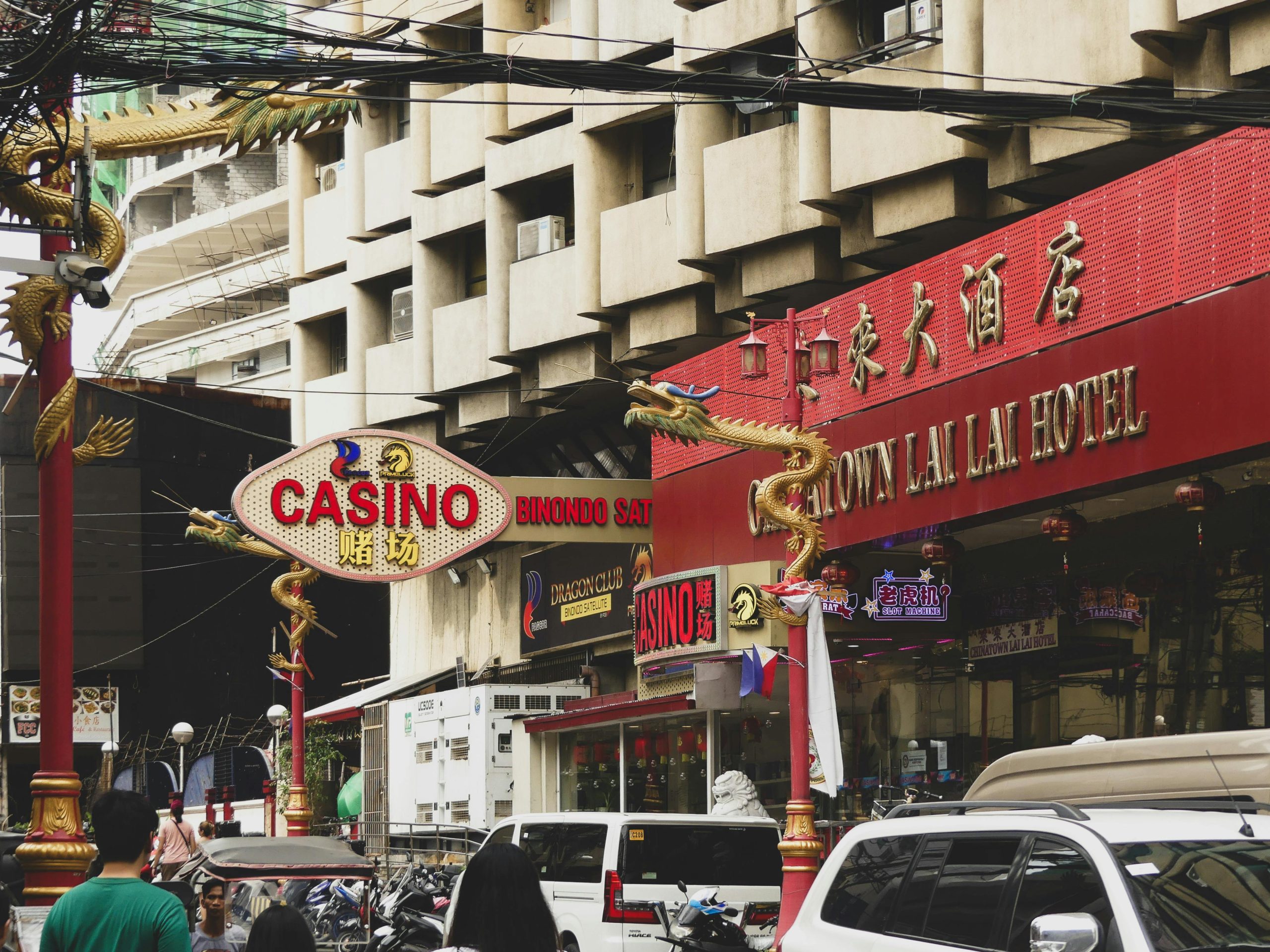

Casinos in the Philippines
The Philippines has one of the most developed gambling markets in Southeast Asia, giving the country a regional advantage in regulated casino tourism.
The country has both land-based casinos and online gambling options that attract locals, international visitors, and players from foreign markets. Gambling plays a visible role in its entertainment and tourism sectors, reflecting the social and entertainment spirit behind casino gaming.
From integrated resorts in Manila to government-operated gaming venues and offshore online sites, the Philippine gambling landscape is shaped by strict rules, regulatory control, and a clear division between local and foreign participation.
Understanding how casinos in the country operate—both online and offline—is essential before choosing where to play, especially as regulations and offerings can change from year to year.
Gaming Regulation in the Philippines: The Philippine Amusement and Gaming Corporation
The gambling industry in the Philippines is regulated primarily by the Philippine Amusement and Gaming Corporation (PAGCOR), a state-owned gaming corporation under the Philippine government.
PAGCOR plays a dual role: it operates government casinos while also regulating private operators. Its responsibilities include:
- Licensing and regulating casinos
- Overseeing online gambling operations
- Enforcing rules on player protection and financial control
- Monitoring compliance with anti-money laundering requirements
- Protecting player rights under Philippine law
PAGCOR remains committed to responsible and transparent regulation. As part of its regulatory role, PAGCOR requires licensed operators to submit audited reports and detailed financial information to ensure transparency, regulatory compliance, and proper oversight of gambling activities.
This centralized system allows the government to maintain a hold over gambling activities while generating revenue for public services. Consumer protection is also set as a clear priority.
Are Casinos Legal in the Philippines?
Yes, casinos are legal in the Philippines. Casino gambling is permitted as long as it is conducted by licensed operators. PAGCOR operates its own brands while also issuing licenses to private developers.
Both locals and foreigners are allowed to enter land-based casinos, provided they meet age and identification requirements. This legal framework has made the Philippines a major casino destination in Asia.
Gaming in the Philippines blends the thrill of live tables, the excitement of large integrated resorts, the element of luck, and the simple fun of entertainment-driven play. Gamblers can find options ranging from luxury resorts to government-run venues.
The Best Philippine Land-Based Casinos
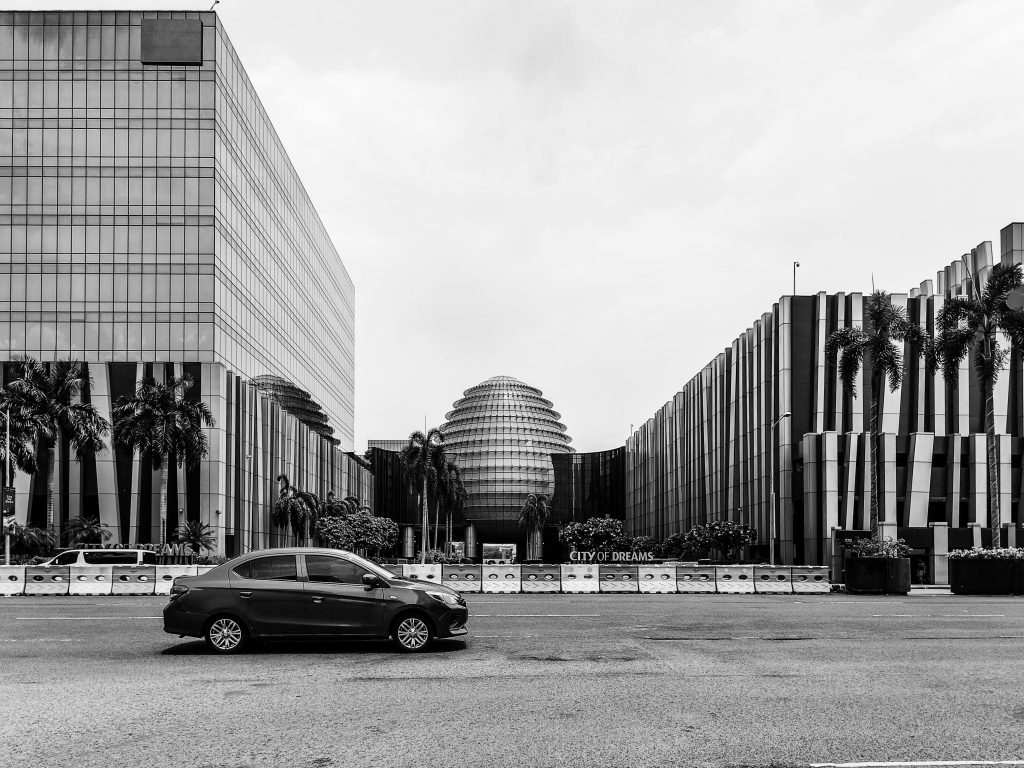
The Philippines is home to a thriving land-based casino scene anchored by integrated resort destinations and government-run venues. Visitors can discover a wide range of gambling experiences across the country, from luxury integrated resorts in Manila to government-operated venues in regional locations.
These hubs provide a mix of gaming, entertainment, fine dining, and luxury hotels, with plenty of options for different budgets and play styles. They form an important part of the country’s tourism and leisure industry, giving visitors multiple ways to enjoy casino gaming.
These venues maintain open days throughout the year and attract thousands of visitors each week. Activity levels are typically highest during peak travel periods such as December, when both locals and international visitors spend more time in integrated resort complexes.
Most operate under the Philippine Amusement and Gaming Corporation regulatory framework, ensuring compliance with gambling laws and responsible gaming.
Okada Manila
Okada is the largest casino in the Philippines and one of the most expansive integrated resorts in the region. Its opening marked a major step in positioning the Philippines, particularly Manila, as a leading entertainment destination in Southeast Asia.
Located in Entertainment City, Manila, it features a massive gaming floor with hundreds of slot machines and tables, including baccarat, blackjack, roulette, and live dealer cards. Here, gamblers can pursue both entertainment and potential wins.
Beyond gambling, the resort is a complete entertainment destination, offering luxury hotel accommodations, internationally recognized restaurants, nightlife venues, and large-scale water and fountain displays.
Okada is a great example of an integrated resort, known for its premium atmosphere, high-limit gaming areas, and wide appeal to both international players and local high rollers seeking a world-class experience.
Many visitors are also drawn by its loyalty programs and rewards, which include points-based benefits, dining privileges, and exclusive access for regulars. Okada gets a lot of visitors throughout the year, especially during peak travel months.
City of Dreams Manila
This is a major integrated casino resort located alongside other large venues in Entertainment City. The casino offers a modern environment with a wide selection of slots and tables, supported by professional dealers and organized gaming areas.
In addition to its casino, the resort includes luxury hotels, global dining options, retail spaces, and live entertainment. It’s popular with tourists and Manila-based gamblers alike, with its balance of gaming, leisure, and nightlife, positioning it as a versatile destination for both casual visitors and dedicated casino goers.
The casino appeals to those seeking steady gameplay rather than chasing large wins. Peak seasons, particularly January, September, and December, often bring a livelier atmosphere, larger crowds, and expanded entertainment schedules across the resort. During non-peak hours, gamblers often experience minimal waiting times for tables and machines, which makes gameplay more relaxed compared to busy holiday periods.
Solaire Resort & Casino
Solaire Resort & Casino is one of the pioneering integrated resorts in the Philippines and remains a key part of Manila’s casino landscape. The venue combines an elegant casino floor with a refined resort atmosphere, offering tables, slot machines, and exclusive high-limit areas.
Solaire is also known for its theatre productions, fine-dining, spa facilities, and upscale hotel rooms, attracting gamblers who prefer a more polished and luxury-focused casino environment. Its long-standing presence has helped shape the growth of casino gambling in the country.
City of Dreams Cebu
The Cebu location brings the integrated resort casino concept to the Visayas region, providing a gaming hub outside the capital. Located in Cebu, the casino offers a selection of slots and tables designed to serve both locals and regional travelers.
The venue blends casino gaming with dining, leisure spaces, and hotel accommodations. It’s a convenient option for those visiting Cebu who want a complete experience without travelling to Manila. Its presence reflects the expanding reach of land-based casinos across the Philippines.
Casino Filipino (PAGCOR Casinos)
Casino Filipino is the government-operated casino brand managed by the Philippine Amusement and Gaming Corporation. With locations spread across multiple areas throughout the Philippines, these venues focus on accessible and regulated casino gaming for locals.
These casinos typically offer slot machines, cards, and tables in a more straightforward setting compared to integrated resorts. As state-run establishments, these casinos play an important role in the country’s gambling framework by generating public revenue while operating under strict regulatory oversight.
Online Gambling in the Philippines

Online gambling in the Philippines exists in a restricted but regulated form under the supervision of the Philippine Amusement and Gaming Corporation. PAGCOR licenses certain online gambling operators, including online sites, and sets the rules governing their content, offerings, and who they may legally serve.
In recent years, PAGCOR has introduced locally regulated online gaming sites intended for Filipino players, allowing them to gamble online and bet under strict conditions. These sites operate directly under PAGCOR’s authority and are subject to responsible gaming rules, player verification requirements, and anti-money laundering rules.
At the same time, many offshore online casinos licensed in other jurisdictions continue to allow players from the Philippines to join, including some platforms that support crypto payments. Although these sites do not fall under direct Philippine regulatory oversight.
As a result, players who gamble online should carefully verify whether a platform is PAGCOR-licensed or regulated by a recognized foreign authority before they start playing. It’s also recommended to understand the applicable rules and make sure they comply with Philippine gambling laws.
Responsible gambling should also be a priority, seeing gambling not as a way to earn income, but as entertainment. Knowing when to leave a gambling situation remains part of responsible play.
Frequently Asked Questions
How many casinos are there in the Philippines?
There are dozens of licensed casinos in the country. These include government-run venues, integrated resorts in Manila, and regional casinos in major tourist areas. Interest in casino venues often rises during peak periods such as December, when holidays and extended downtime lead more players to explore gambling options. Visitor levels often dip slightly in September.
Who owns the casino hubs in the Philippines?
Casinos are owned by PAGCOR and private operators licensed by the Philippine government.
What is the largest casino in the Philippines?
Okada Manila is the largest integrated resort in the Philippines. It spans a huge area, featuring one of the country’s biggest floors alongside luxury hotels, multiple dining options, entertainment venues, and resort-style amenities. It’s the most expansive casino complex in the country.
Where can I find trusted online casino platforms in the Philippines?
Trusted sites in the Philippines are those that are licensed, operated, or officially authorized by the Philippine Amusement and Gaming Corporation (PAGCOR). These platforms are required to follow Philippine laws.
A practical starting point is CasinoCompare. The site provides reviews and comparisons of platforms accessible to Filipinos, with a focus on licensing status, features, bonuses, payment methods, and responsible tools.