
Quick Facts
- Official Name: Socialist Republic of Vietnam
- Capital City: Ha Noi (Hanoi)
- Total Area: 127,123 square miles
- Official Language: Vietnamese
- Currency: Vietnamese Dong
- Major Religions: Buddhism, folk religions, Christianity
- Major Cities: Ho Chi Minh City (formerly Saigon), Da Nang, Hai Phong, Can Tho, Nha Trang
- Government: One-party communist state
- Political Structure: Socialist republic with a National Assembly, Prime Minister, Deputy Prime Ministers, and a General Secretary
- Major Rivers: Red River, Mekong River
Overview of the Socialist Republic of Vietnam
Vietnam is one of Southeast Asia’s most dynamic nations. Officially known as the Socialist Republic of Vietnam, the country sits along the western edge of the South China Sea and stretches from the Chinese border in the north down to the Mekong River Delta in the south. Vietnam is often referred to as Viet Nam or Dai Viet in historical texts, reflecting its long and complex past shaped by war, colonial rule, and economic growth.
Today, Vietnam is a one-party communist state governed by the ruling Communist Party of Vietnam. Despite communist rule, Vietnam has embraced market reforms and global investment, positioning itself as a key member of the international community and the World Trade Organization.
Vietnam Geography and Location
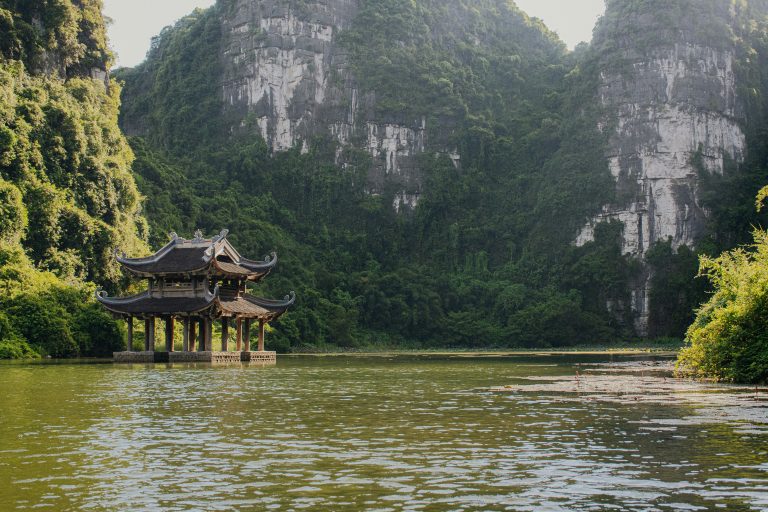
Vietnam is located in Southeast Asia and shares borders with China to the north, Laos to the northwest, and Cambodia to the southwest. To the east, its long coastline opens to the South China Sea and, further south, the Pacific Ocean. Vietnam’s geography is remarkably diverse, with mountains, coastal plains, fertile river deltas, and forested highlands.
Vietnam’s narrowest point is in central Vietnam, where the country is only about 50 kilometers wide. Northern Vietnam is dominated by mountains and the Red River Valley, while the south features the Mekong Delta, one of the most productive agricultural regions in Asia. The Central Highlands rise between the coast and the Lao border and are home to many ethnic minorities.
Vietnam’s History: From French Indochina to the Country’s Independence
The history of Vietnam is marked by centuries of resistance against foreign domination. During French rule, Viet Nam was part of Indochina along with Laos and Cambodia. This period deeply shaped society, infrastructure, and education, including the adoption of the Romanized alphabet.
During World War II, Japan occupied Vietnam, weakening French control. After the war, the Viet Minh, led by Ho Chi Minh, fought the colonial power in the First Indochina War. This conflict ended in 1954 with the defeat of France and the division of the country into North Vietnam (the Democratic Republic of Vietnam) and South Vietnam (the Republic of Vietnam).
Indochina War and Communist Party Civil Conflict
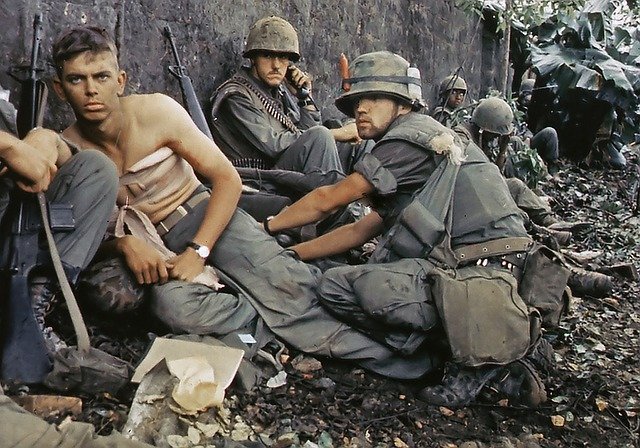
The division led to decades of conflict. Communist North Vietnam, backed by the Soviet Union and China, faced Southern Vietnam, supported by the United States and its allies. The Second Indochina War, more widely known as the Vietnam War, devastated Vietnam and reshaped global geopolitics.
Communist forces, including the Viet Cong operating in southern Vietnam, eventually defeated the Republic of Vietnam. In 1975, Saigon fell and was later renamed Ho Chi Minh City. After the Vietnam War, the country was reunified under communist rule as the Socialist Republic of Vietnam.
Post-war Viet Nam struggled economically, but reforms known as Doi Moi transformed the nation, driving Vietnam’s economic growth and integration into global markets.
Ethnic Groups, National Anthem, and Vietnamese Society
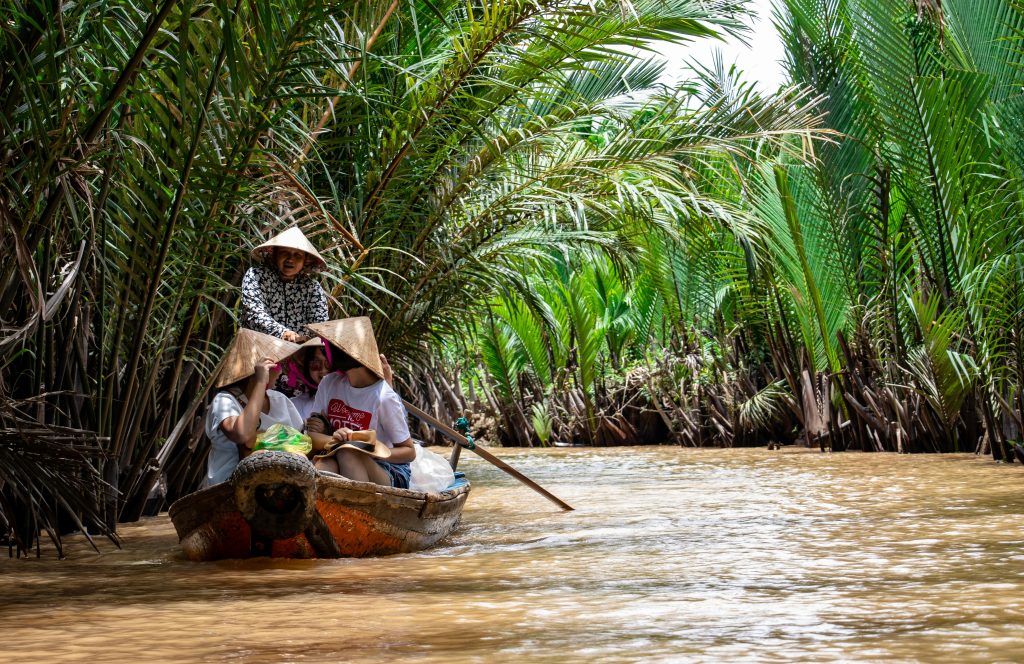
Vietnamese society is ethnically diverse, with over 50 recognized ethnic groups. The Kinh people make up the majority, while ethnic minorities live primarily in the Central Highlands, northern mountains, and border regions such as Bac Ninh and areas near the Chinese border.
Each group in Vietnam has its own traditions, dress, and languages, contributing to Vietnam’s rich cultural identity. Rural life remains common, with many families engaged in agriculture, especially wet-rice farming.
Vietnam’s national anthem, “Tien Quan Ca” (translated as “Marching Song”), reflects the country’s revolutionary history and national identity. Composed in 1944, the anthem became closely associated with the struggle for independence and unity during periods of war and political transformation.
Its lyrics emphasize patriotism, collective strength, and sacrifice, themes that continue to resonate within society today. The anthem is performed at official state events, schools, and national celebrations, reinforcing a shared sense of identity across Vietnam’s many ethnic groups and regions.
Socialist Republic and Political System
As a socialist republic, Viet Nam operates under a centralized political system led by the Communist Party. The Vietnamese government consists of the National Assembly as the legislative body, a Prime Minister who heads the government, and a President who serves as head of state. Real political power in Vietnam rests with the ruling Party and its General Secretary.
The country’s armed forces remain influential, reflecting Vietnam’s history of armed struggle, civil war, and resistance against foreign powers. Marching troops and military ceremonies are still common during national celebrations.
Economy, Industry, and Rapid Economic Growth
Vietnam’s economy has shifted from central planning to a mixed socialist-market system. Today, agricultural and industrial production play equally important roles. Rice farming dominates the Mekong River Delta and Red River Delta, while manufacturing, technology, and exports drive urban growth.
Foreign investment has surged, particularly in electronics, textiles, and infrastructure. Vietnam’s economic growth has been among the fastest in Asia, making it a strategic partner in global supply chains.
Neighboring Countries, Major Rivers, and International Relations
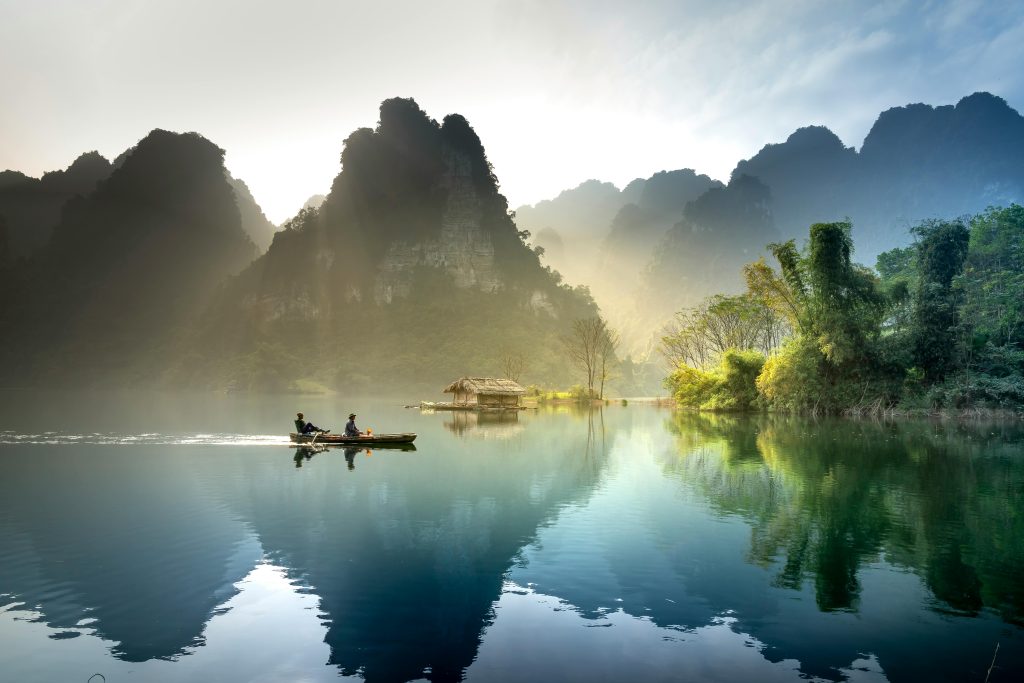
Viet Nam maintains diplomatic relations with neighboring countries, including China, Laos, Cambodia, and Thailand, as well as strong ties with major global powers. Its position along the South China Sea plays a key role in regional geopolitics and trade routes.
Vietnam’s rivers are central to its economy and culture. The Red River flows through the north and the Red River Valley, supporting dense populations and agriculture. In the Viet South, the Mekong River Delta, also known as the Mekong Delta, is one of the most fertile areas in the world.
The country’s environment includes forests, mountains, coral reefs, and unique wildlife such as sun bears. However, Vietnam is also vulnerable to natural disasters, including typhoons, floods, and landslides.
Environmental protection has become an increasing priority for the government, particularly in ecologically sensitive areas. Sites such as Ha Long Bay are subject to conservation policies aimed at balancing tourism, marine biodiversity, and long-term environmental sustainability.
Cities and Travel Tips: Da Nang and Beyond
Da Nang is a major coastal city in central Viet Nam, known for its beaches, modern infrastructure, and proximity to historic sites.
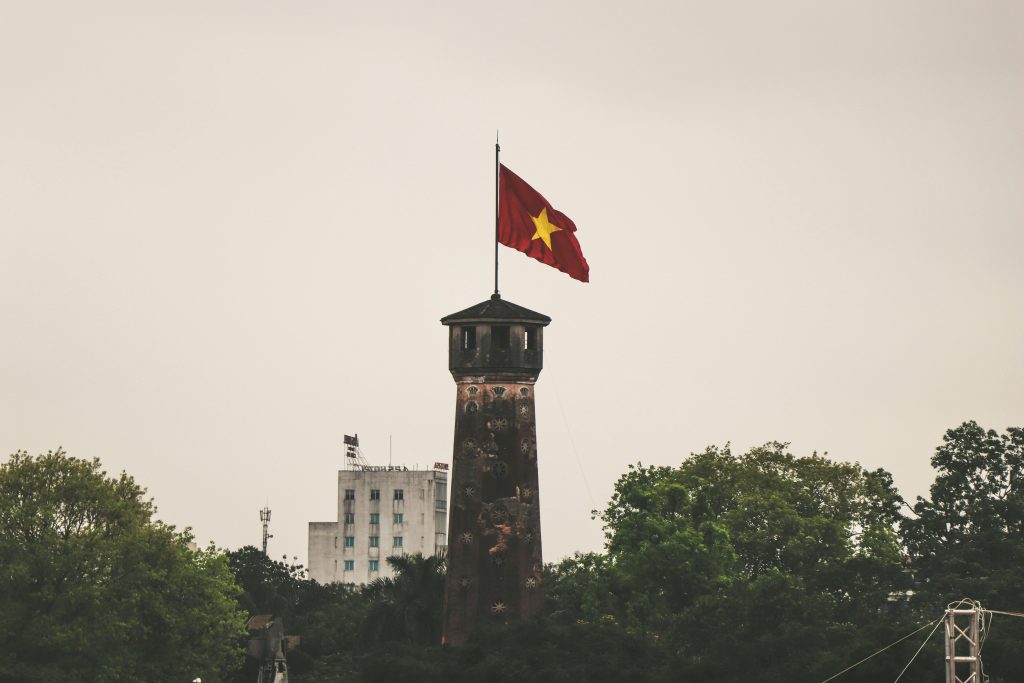
Other popular destinations include Ha Long Bay, famous for its limestone karsts, Nha Trang for beach tourism, and Ho Chi Minh City for its economic and cultural energy. Ha Noi remains the political and cultural heart of the country, with historical monuments, lakes, and museums that reflect Vietnam’s long history.
Casinos and gambling in Vietnam are tightly regulated. Gambling is generally restricted to foreigners, with licensed casinos operating in tourist areas. Local citizens face strict limitations, although online gambling platforms accessed from abroad remain popular among Vietnamese players.
Viet Nam continues to balance its socialist foundations with modernization, international trade, and cultural preservation, making it one of Asia’s most fascinating and rapidly evolving countries.
Country Profile Summary
Vietnam is a Southeast Asian nation located along the South China Sea, bordered by China, Laos, and Cambodia. Governed by a one-party system under the Vietnamese Communist Party, the country blends socialist governance with a market-oriented economy.
Its population is ethnically diverse, with the majority Kinh alongside numerous minorities spread across the northern region, the Central Highlands, and the river deltas. With major cities such as Ho Chi Minh City (formerly Saigon) and Da Nang, Vietnam plays a growing role in regional and global trade.
Agriculture and manufacturing form the backbone of the economy, supported by strong export performance and membership in the World Trade Organization. Shaped by a complex history of colonial rule, civil war, and national reunification, Viet Nam today stands out for its rapid growth, expanding international partnerships, and increasing influence within the international community.