


How to Learn Vietnamese
If you are planning to travel, work, or settle in Vietnam, choosing to learn Vietnamese can dramatically improve your experience. While many Vietnamese people understand basic English, knowing even a few local words helps you connect with the culture, navigate daily life, and build stronger relationships with natives.
At first, Vietnamese may sound challenging. Its tones, vowel combinations, and unfamiliar sounds can feel intimidating. However, once you understand how pronunciation works, learning Vietnamese becomes far more approachable and even fun. The structure of Vietnamese is logical, and progress comes quickly with consistent practice.
Is Vietnamese an Easy Language to Learn?
Vietnamese grammar is relatively simple. There are no verb conjugations, plural forms, or gendered nouns. What makes Vietnamese challenging is pronunciation. A single Vietnamese word can have multiple meanings depending on tone. This means strong listening skills and careful practice are essential.
The good news is that once you train your ear and mouth, Vietnamese becomes easier to understand. Many learners find that reading and writing develop faster than expected, especially after mastering the Vietnamese alphabet.
How Long Does It Take to Learn Vietnamese?
Estimates suggest around 1,100 hours of study to reach Vietnamese fluency. That typically means two to three years with consistent practice. Highly motivated learners often progress faster, especially if living in Vietnam.
Tips for Learning Vietnamese Effectively

Everyone progresses at their own pace, and Vietnamese is no exception. Some learners progress quickly using free resources, while others prefer structured lessons with a teacher.
Free resources, videos, podcasts, and reading materials allow you to learn Vietnamese anytime. The key is consistency. Short daily practice sessions are more effective than long, infrequent lessons.
- Start with the Vietnamese alphabet and tones before memorizing large amounts of vocabulary
- Focus on pronunciation early, as correct tones matter more than grammar
- Practice listening skills daily by hearing natives through free resources like videos, podcasts, or real interactions
- Master useful phrases for daily communication instead of isolated words
- Record yourself talking in Vietnamese and compare the differences in how you pronounce words with native speakers
- Choose one regional accent and stay consistent
- Use a free learning app or resource for structure, but don’t rely on them alone
- Combine reading, writing, listening, and speaking skill-building for balanced language skills
- Practice with real people through language exchange or free community groups
- Keep sessions short but consistent
- Make studying fun by using music, TV shows, or social media in Vietnamese
- Accept mistakes as part of the process—natives appreciate the effort
Overview of the Vietnamese Language
Vietnamese Alphabet
The Vietnamese alphabet uses the Latin script, which makes it easier for English speakers to learn. It has 29 letters and includes several accented vowels that change pronunciation and meaning.
Regional Differences
Vietnamese has regional variations, particularly between north and south accents. Northern pronunciation is often taught in schools and language apps, while southern Vietnamese is more common in Ho Chi Minh City and southern Vietnam.
These differences affect how words are pronounced, not how they are written. As a learner, you do not need to master every accent. Focus on one region, and natives will still understand you.
Basics for Speaking Vietnamese: How Do You Say Basic Vietnamese Words?
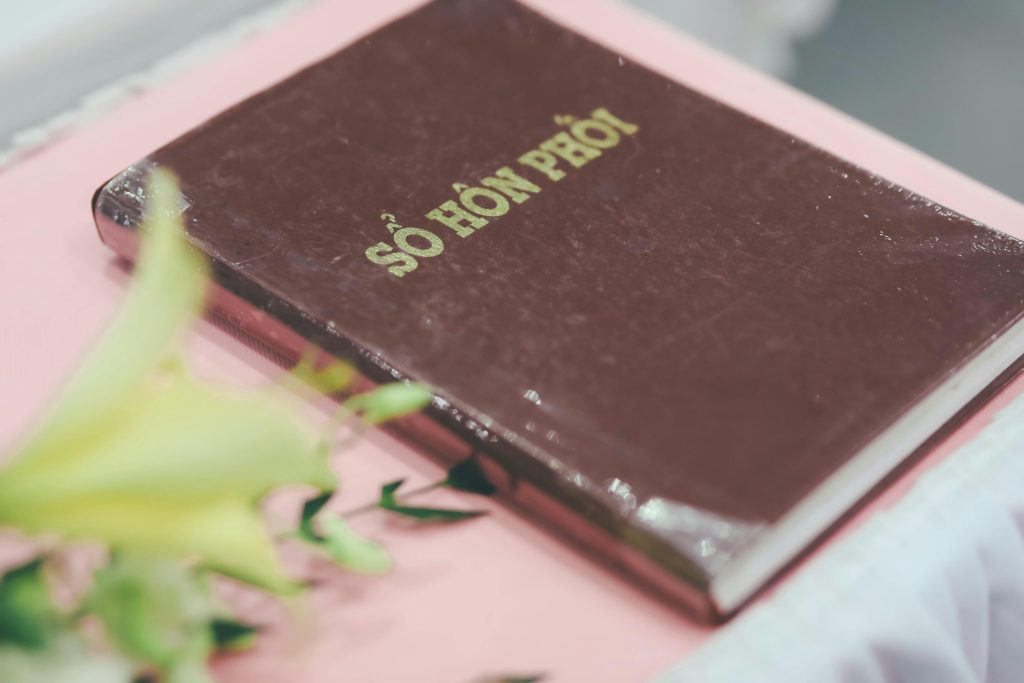
Here are some examples of basic Vietnamese words and phrases every learner should know:
Yes – Vâng (north), Dạ (south)
No – Không
Thank you – Cảm ơn
Sorry – Xin lỗi
Hello – Xin chào
Goodbye – Tạm biệt
How much? – Bao nhiêu?
Do you speak English? – Bạn có nói tiếng Anh không?
Learning these phrases makes daily interactions much easier and reduces confusion.
Why Do Vietnamese Native Speakers Say “Dư Ma”?
“Dư ma” (often spelled “đù má” or “đuma”) is slang and can be offensive depending on context. It is commonly used as an expression of surprise, frustration, or shock—similar to saying “oh damn” in English. Learners should understand it but avoid using it casually.
What is “Oi Oi” in Vietnamese?
“Oi oi” or “trời ơi” is an expression similar to “oh my God.” It is commonly heard in daily interactions and is useful to recognize when listening to natives communicate with each other.
Vietnamese Learning Resources
Below are some effective free learning resources to help you learn Vietnamese and build strong language skills:
- Free language learning apps – Apps like Duolingo help beginners learn basic Vietnamese vocabulary, common phrases, and sentence structure
- Online lessons and courses – Structured lessons focus on the Vietnamese alphabet, vocabulary, and core language rules, with some offering one-on-one guidance
- Free YouTube channels and podcasts – Ideal for improving listening skills and hearing how natives pronounce words in real life
- Language exchange platforms – Connect with natives for practice and cultural exchange
- Books and reading materials – Free beginner textbooks, phrasebooks, children’s books, and other similar resources help reinforce vocabulary and reading skills
- Music and TV shows – Songs, dramas, and short videos make learning vocabulary enjoyable while helping learners absorb pronunciation and rhythm naturally
- Local communities – In-person classes or community groups provide guided teaching and consistent practice
Using a combination of these paid and free resources allows learners to develop balanced language skills and gain confidence when conversing in Vietnamese in real-life situations.
Frequently Asked Questions and Answers
Can I learn Vietnamese on Duolingo?
Yes, you can learn Vietnamese with Duolingo, and many beginners use it as a starting point. Duolingo is useful for basic vocabulary, simple sentence structure, and daily habit-building.
However, Duolingo alone is not enough to communicate fluently. It lacks deep pronunciation feedback and real conversation practice. Use it alongside free listening exercises and real interactions.
Can I study Vietnamese for free?
Yes, it is absolutely possible to study Vietnamese for free, especially at the beginner level. There are many free resources available online that cover the basics, including the alphabet, common vocabulary, and everyday phrases.
Free learning tools can help you build a daily study habit, while YouTube videos and podcasts allow you to improve your listening skills. Many websites also offer free printable lessons, guides, and lists that you can study.
Is Vietnamese harder than Chinese?
Vietnamese vocabulary is often considered harder to pronounce due to tones, but easier to read because of the alphabet family. Chinese grammar can be simpler, but learning characters takes significant time. Each language has different challenges.