


Tips for Travelling to Vietnam
Travelling to Vietnam is an unforgettable experience that combines rich history, amazing food, vibrant major cities, and warm hospitality. From busy urban centers like Ho Chi Minh City to quiet rural areas, Vietnam offers something for every type of traveler—whether you’re backpacking Vietnam, planning a cultural trip, or traveling overseas for a longer stay.
Vietnam is one of the most popular destinations in Southeast Asia, attracting travelers with its vibrant cities, rich culture, and affordable travel costs.
Before visiting Vietnam, it’s important to understand local customs, entry requirements, safety considerations, and practical travel tips. This guide covers everything you should know before you enter Vietnam, helping you travel smarter and avoid common mistakes.
Travelling to Vietnam: Entry Requirements, Visas, and Dual Nationality
To enter Vietnam, most travelers from the US and other countries need an appropriate visa. You must have a valid visa before arrival, unless you qualify for visa-free entry. Always check that your passport is up to date and valid for at least six months beyond your travel dates.
Travelers arriving without the correct documentation risk being refused entry by Vietnamese authorities. If you plan to stay longer, work, or travel frequently in and out of the country, ensure your visa allows you to exit Vietnam and re-enter legally.
Dual citizens and those with dual nationality or a Vietnamese passport should carry documentation proving their status, as rules can differ for dual-national travelers. In some cases, foreigners may be asked to provide supporting documents like a birth certificate, often notarized or legalized.
Etiquettes to Observe in Vietnam
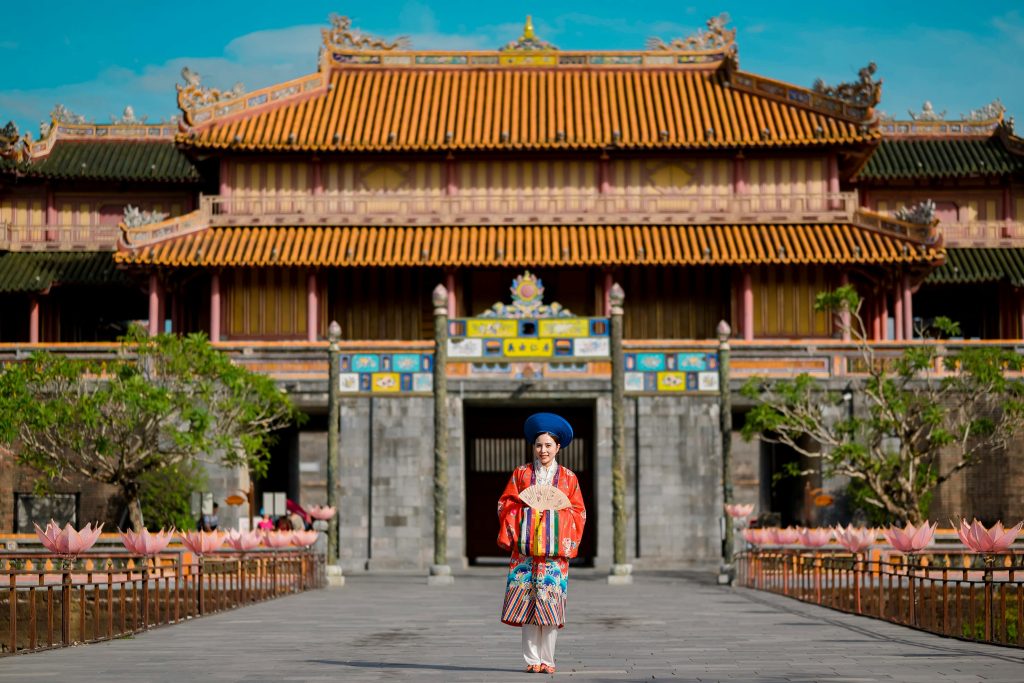
Understanding local etiquette is an important part of travelling to Vietnam and helps you avoid misunderstandings while showing respect for Vietnamese culture. The Vietnamese people are generally warm and forgiving toward visitors, but small gestures of politeness go a long way—especially in major cities and rural areas where traditions may be more strongly observed.
General Social Etiquette
When interacting with the Vietnamese people, politeness and humility are highly valued. Avoid loud or confrontational behavior in public places, as this can be seen as disrespectful. Using both hands when giving or receiving items—such as money, documents, or gifts—is a sign of courtesy.
Public displays of anger toward service staff, taxi drivers, or vendors should be avoided. If there is a misunderstanding, handle it calmly to prevent unnecessary attention from local authorities.
Dress and Personal Conduct
Dress modestly when visiting temples, pagodas, or religious sites. Covering shoulders and knees is expected. Remove shoes when entering a private residence, certain shops, and religious buildings.
Pointing with your feet, touching someone’s head, or placing your feet on tables or chairs is considered impolite. These customs apply throughout Vietnam, from Ho Chi Minh City to smaller towns.
Dining Etiquette and Street Food
Vietnamese meals are often shared. When eating street food or dining with locals, wait until everyone has food before starting. Do not stick chopsticks upright into a bowl of rice, as this resembles funeral rituals.
It is acceptable to ask for a spoon and fork if you are not comfortable with chopsticks. Complimenting the local street food and showing appreciation for the meal is always welcome.
Visiting Someone’s Home
Being invited into a Vietnamese home is a sign of trust. Remove your shoes at the entrance and bring a small gift, such as fruit or sweets. Arriving on time is important, and greeting elders first shows respect.
Public Behavior and Local Laws
Always respect local laws and follow instructions from the local police or officials. Avoid discussing sensitive political topics, criticizing the Vietnamese government, or taking photos of military or government buildings.
Cultural Awareness
Expect some culture shock, especially in busy urban environments with heavy traffic and different communication styles. Patience, observation, and a willingness to adapt will make your experience more enjoyable.
Prescription Medication and Medical Care
If you carry prescription medication, bring it in its original packaging along with a doctor’s note. Some medicines legal elsewhere may be restricted under Vietnamese local laws.
Before travel, consider anti-malarial medication if you plan to visit rural areas, the central highlands, or border regions. Always carry travel insurance that covers medical assistance, medical facilities, and medical evacuation.
Air Pollution Awareness
Vietnam’s air pollution can be noticeable in big cities, especially during peak traffic hours. Checking the air quality index is recommended for travelers with respiratory conditions.
Vietnam’s rainy season varies by region. Northern Vietnam experiences cooler winters, while central Vietnam and the central coast may see heavy rains and storms during certain months.
Regional Highlights: Where to Go and Safety Tips
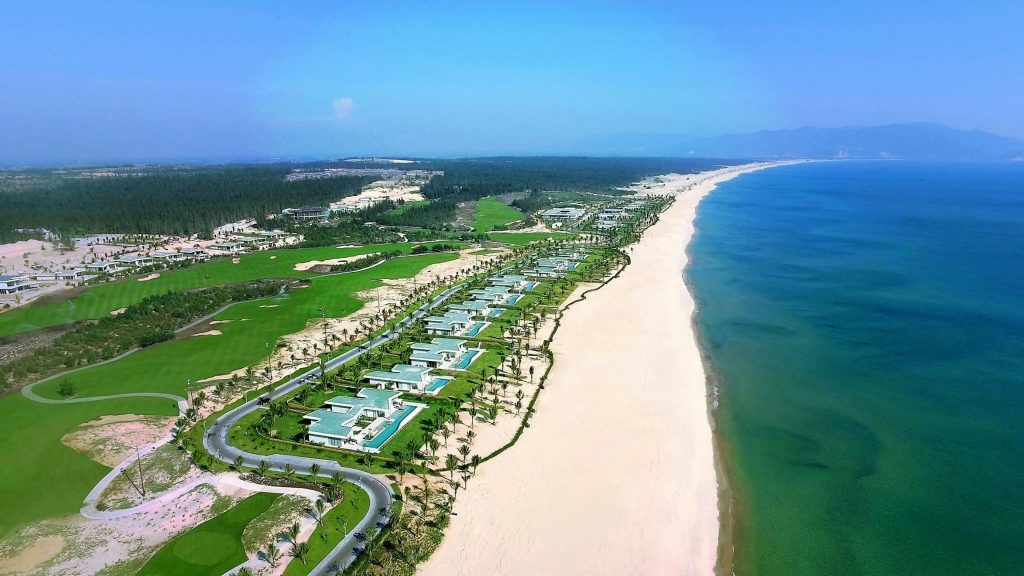
Vietnam’s diverse regions offer very different travel experiences, from dramatic natural landscapes to modern coastal cities and well-preserved historic towns. Understanding what each destination offers—and how to stay safe while visiting—can help you plan a smoother and more enjoyable trip, whether you’re exploring popular tourist areas or traveling more independently.
Ha Long Bay
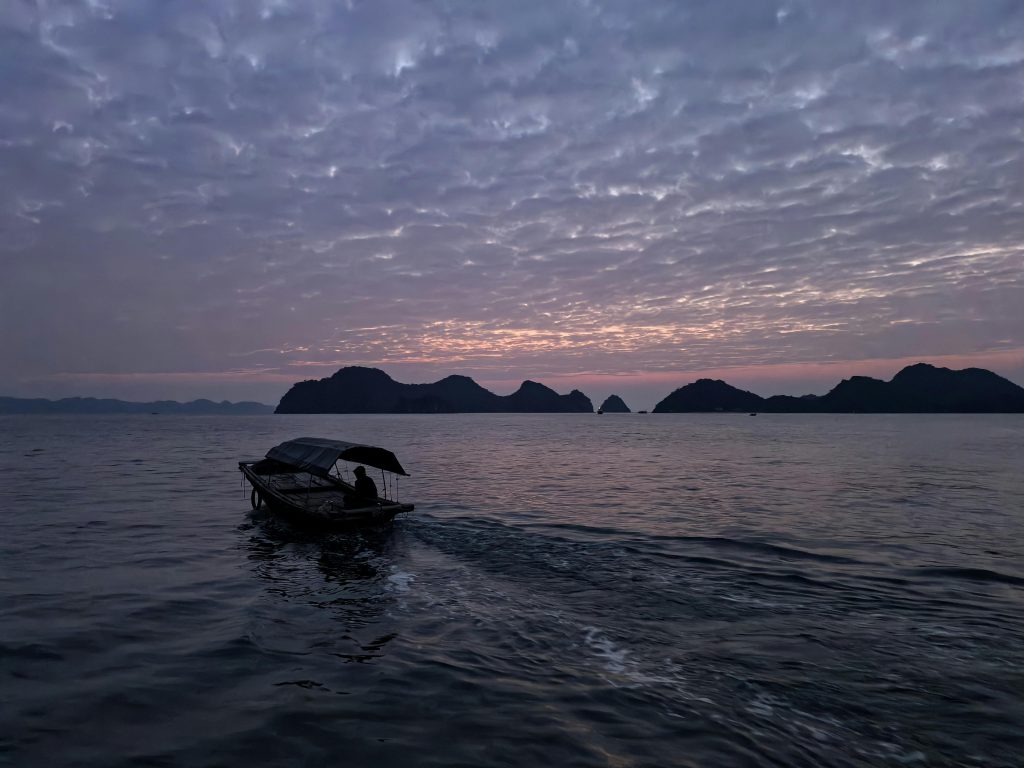
Ha Long Bay in northern Vietnam is one of the country’s most iconic destinations, known for its towering limestone karsts, emerald waters, and scenic boat trips through the bay.
While the area is well developed for tourism, travelers should always book cruises and tours through reputable travel agents or a trusted booking site to ensure proper safety standards, licensed operators, and well-maintained vessels. Pay attention to weather conditions, especially during the rainy season, as trips may be delayed or canceled for safety reasons.
Ho Chi Minh City
Ho Chi Minh City (also known as Ho Chi Minh) is Vietnam’s largest and most energetic city. Expect busy streets, heavy traffic, and constant movement. Motorcycle taxis and motorbike taxi services are common, but always wear a helmet when riding.
Popular spots like Ben Thanh Market offer great shopping and delicious food, but watch your belongings carefully. Stick to reputable transport services in Ho Chi Minh City and confirm prices before rides.
Da Nang
Da Nang is a modern coastal city along the central coast that consistently ranks as one of the safest and most organized cities in Vietnam. It is known for clean streets, reliable infrastructure, and long sandy beaches.
Da Nang serves as an excellent base for exploring central Vietnam, offering easy access to nearby mountains, cultural sites, and neighboring towns. Traffic is more manageable than in larger cities, making it a good choice for travelers seeking comfort, safety, and convenience.
Hoi An
Hoi An offers a slower pace of travel with its preserved old town, lantern-lit streets, and deep cultural heritage. This historic town is ideal for travelers who prefer a quieter environment and a strong connection to Vietnamese culture.
While generally very safe, visitors should still take basic precautions in crowded areas, especially at night. Hoi An’s relaxed atmosphere, walkable streets, and welcoming locals make it a favorite among visitors looking for cultural immersion without the intensity of big-city travel.
Nha Trang
Nha Trang is a popular coastal city known for its long beaches, island boat trips, and relaxed seaside atmosphere. It attracts a mix of short-term tourists, backpackers, and long-stay visitors looking for a balance between resort living and everyday convenience.
The city is generally safe, but travelers should stay alert in busy beachfront areas and nightlife districts where petty theft can occur. When booking island tours or water activities, use reputable operators and confirm that safety equipment is provided. Traffic is less chaotic than in Ho Chi Minh City, but caution is still advised when crossing streets or using motorcycle taxis.
Is It Safe to Visit Vietnam Right Now?
Yes, Vietnam travel is generally considered safe for tourists. Violent crime is rare, even in big cities like Ho Chi Minh City or Hanoi. Most safety issues involve petty theft, scams, or disputes with a taxi driver in crowded tourist areas.
That said, travelers should always stay alert, especially in busy streets, markets, and nightlife districts. Incidents of sexual assault are uncommon but can occur, so standard travel precautions apply.
While Vietnam is generally safe for visitors, those staying longer should take time to understand local working and living conditions, including employment norms, housing standards, and healthcare access.
Local Laws and Strict Rules
Vietnam has strict laws, and travelers should never break local laws, even unintentionally. Penalties for offenses involving illegal drugs are severe, including long prison sentences and, in extreme cases, the death penalty.
Respect the Vietnamese government, local authorities, and Vietnamese authorities at all times. Photography near military sites, government buildings, or police installations is prohibited. If questioned, cooperate calmly with the local police or visit a local police station if needed.
Commercial disputes, including disagreements over prices or services, should be handled calmly to avoid escalation.
Vietnam has strict traffic enforcement, and foreigners riding motorbikes without a valid license or international driving permit may face penalties or complications during police checks.
Practical Safety and Travel Tips for Vietnam
- Always carry a copy of your passport and visa
- Report a stolen passport immediately to the local police and your embassy
- Avoid unlicensed motorbike taxis
- Use reputable booking sites for hotels and transport
- Be cautious in nightlife areas and crowded markets
- Do not drink tap water in Vietnam; always use bottled or filtered water
- Choose clean and well-reviewed hotel rooms, and check basic hygiene standards upon arrival
- To avoid food poisoning, eat at busy restaurants or street food stalls with high turnover
Frequently Asked Questions
What is one of the biggest mistakes you can make in Vietnam?
One of the biggest mistakes is ignoring local customs and culture shock. Failing to understand etiquette, traffic norms, or bargaining practices can lead to frustration or conflict. Another major mistake is not securing the correct visa or overstaying, which can lead to fines or problems with Vietnamese authorities.
Is $100 USD a lot in Vietnam?
Yes, $100 USD goes a long way in Vietnam. It can easily cover meals, transport, and a night’s accommodation in many areas.
Is $1,000 enough for 2 weeks in Vietnam?
Yes, $1,000 is enough for two weeks in Vietnam, especially if you save money by eating local food, using rail transport, and staying in budget hotels or hostels. The local currency is the Vietnamese dong. While foreign currency is sometimes accepted, it’s best to pay in dong for better rates.
What should I do about a stolen passport in Vietnam?
First, report the incident to the local police and request an official police report from the nearest local police station. This document is essential for replacing your passport and resolving any visa issues.
Next, contact your embassy or consulate immediately. They will guide you through the process of obtaining an emergency travel document or replacement passport so you can continue your trip or exit Vietnam legally. If you have copies of your passport, visa, or entry stamp, provide them to speed up the process.